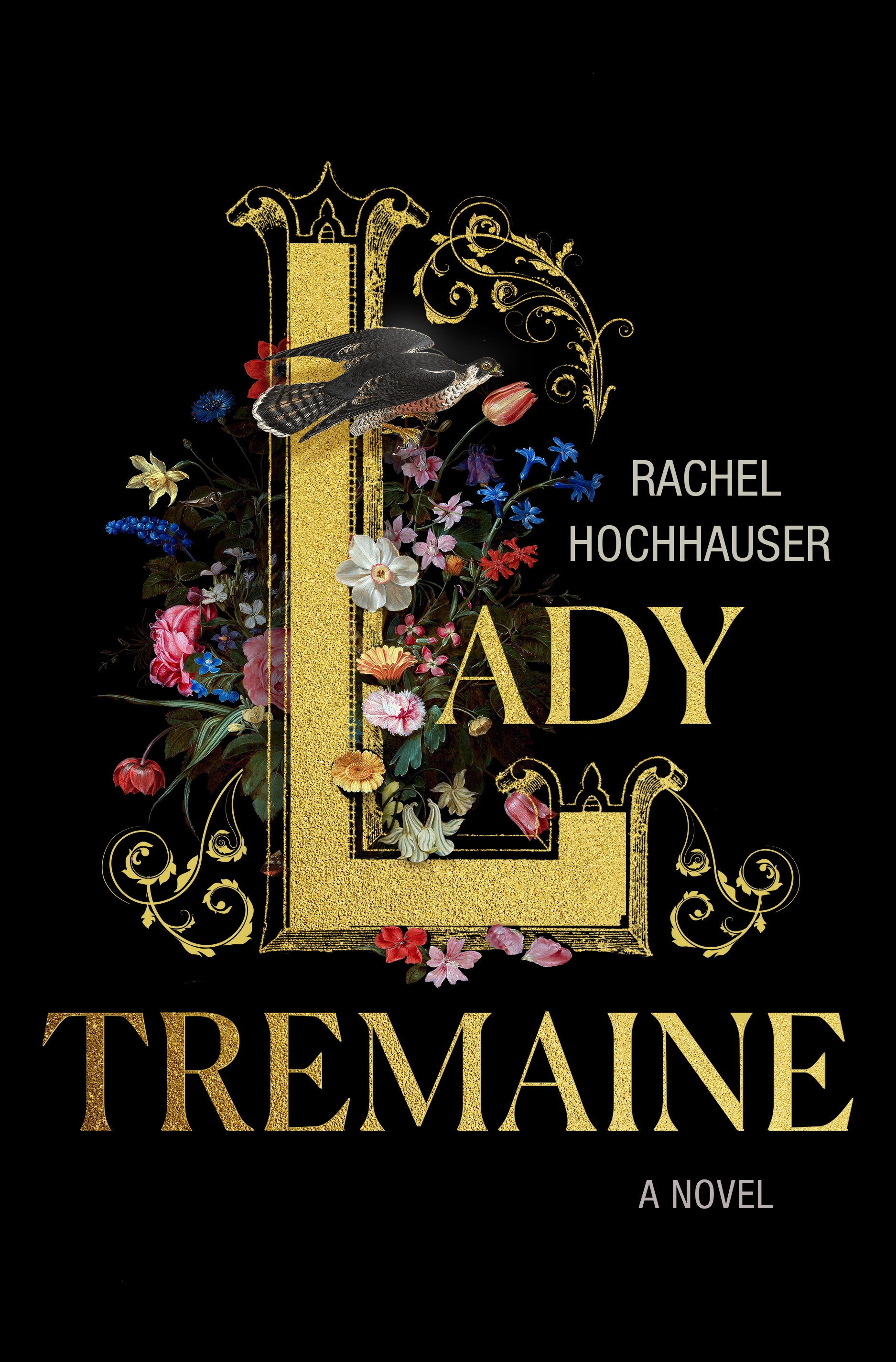
Title: Lady Tremaine
Author: Rachel Hochhauser
Publisher: St. Martins Press
Publication date: March 3, 2026
Length: 341 pages
Genre: Fairy tale retelling
Source: Library
Rating:
Twice-widowed, Lady Etheldreda Verity Isolde Tremaine Bramley is solely responsible for her two children, a priggish stepdaughter, a razor-taloned peregrine falcon, and a crumbling manor. Fierce and determined, Ethel clings to the respectability her deceased husband’s title affords her, hoping it will secure her daughters’ future through marriage.
When a royal ball offers the chance to change everything, Ethel risks her pride in pursuit of an invitation for all three of her daughters—only to see her hopes fulfilled by the wrong one. As an engagement to the future king unfolds, Ethel discovers a sordid secret hidden in the depths of the royal family, forcing her to choose between the security she craves and the wellbeing of the stepdaughter who has rebuffed her at every turn.
As if Bridgerton met Circe, and exhilarating to its core, Lady Tremaine reimagines the myth of the evil stepmother at the heart of the world’s most famous fairy tale. It is a battle cry for a mother’s love for her daughters, and a celebration of women everywhere who make their own fortunes.
Lady Tremaine was not on my reading radar for this month — but I was curious after seeing that it was the newest pick for Reese’s Book Club, and then was lucky enough to have my library hold come in within a week. I love when the book gods put something unexpected in my path this way, and I end up reading a terrific book that I might otherwise have missed.
Lady Tremaine is a retelling of the Cinderella story, set in an unnamed kingdom with a prince in need of a bride. The story is told through the first-person narration of Lady Etheldreda (Ethel) Verity Isolde Tremaine Bramley — the “evil stepmother” of fairy tale infamy, who tells us a very different story than the one we think we know.
Note: Apparently, the Tremaine surname was a Disney invention! Before the 1950 film, the character and her daughters were basically just known as the evil stepmother and ugly stepsisters.
We first meet Ethel in the woods, muddy and disheveled, hunting with her trained falcon Lucy to put food on her family’s table. “Poaching” might actually be more accurate than “hunting” — she’s crossed over to the king’s land on the other side of the river where there’s more game to be found… but it’s that, or her girls will go hungry.
Ethel’s family is in dire straits. Twice widowed, her most recent husband, Lord Bramley, left her a crumbling estate and a step-daughter to care for. All of Bramley’s money has been left for his daughter Elin’s dowry, and is untouchable. Ethel and her daughters Rosamond (Rosie) and Mathilde slowly sell off all of the property’s valuables, desperately clinging to the bare essentials as the manor’s rooms empty and the roof develops leaks. They work hard to scrape by, while clinging to the surface necessities when in public so that no one knows just how low they’ve fallen.
All except Elin, who lives her life according to a book of maxims about virtue, all she has left of her own deceased mother. Rebuffing all attempts at kindness or maternal comfort from Ethel, Elin holds herself apart and trains herself on the accomplishments prized in marriageable girls — decorative skills that do nothing to help the struggling household. Still, Ethel makes sure Elin is safe and fed, despite the growing resentment over her unwillingness to work as the rest of them do.
The plot kicks off with the announcement of a royal ball. As the carriages of the royal messenger roll up to the Bramley estate, Ethel scrubs off the mud and hides the evidence of their decaying home, presenting three pretty girls to hear the messenger’s words. But the invitation that’s presented is only for Elin — Rosie and Mathilde are passed over.
When I’d first heard the rumors, I wasn’t afraid of not being invited to the royal ball; I was afraid of one existing. For if it existed, we must go. And if we went, we must succeed. And if we were successful, my daughters would be married and move away from me forever. My own desires contradicted each other.
The ball represents not just a party. In Ethel’s viewpoint, it’s key to their survival. Clinging desperately to their precarious social status, Ethel knows that good marriages — representing physical and financial safety — are only available to young girls of high enough social standing. The ball is an opportunity for her daughters to be seen in society and make connections, and may be their last hope. Ethel takes a gamble to secure invitations for her girls, but as the date of the ball approaches, a new opportunity arises: One of her daughters has caught the eye of the prince. Now, not just a noble marriage, but a royal one, may be within reach.
Opportunities came and they were small and unlikely and easy to overlook. You had to stick your fingers into them and pinch the edges and pull. You had to widen the aperture of possibility.
Lady Tremaine achieves startling results by making Ethel a strong, relatable, and sympathetic character. She doesn’t yearn for royalty or nobility for the sake of power or money. She simply wants her daughters to be safe and have better lives than the one she can provide for them. Over the course of the book, through scenes showing her backstory, we learn much more about Ethel’s struggles, as well as what she’s learned about women’s lack of power and agency in their society.
Driven by love for her daughters — even including Elin, despite their prickly relationship — Ethel is willing to do practically anything to protect them. Ethel’s reflections on motherhood and what it means to love one’s children are startling, powerful, and moving. The book’s plot becomes darker than I would have expected, and Ethel is forced to make drastic decisions that put the entire family’s future at risk, for the sake of making sure that all those that she loves are protected.
Lady Tremaine is a compelling story, dramatically told and utterly absorbing. I couldn’t put it down! We may think we know every last version of the Cinderella story, and yet, Lady Tremaine provides a fresh take with a thoughtful viewpoint and memorable characters. Highly recommended.

Of course, Lady Tremaine got me thinking about other Cinderella retellings, so I had to look back through my shelves to find other versions that I’ve read. There are a lot!
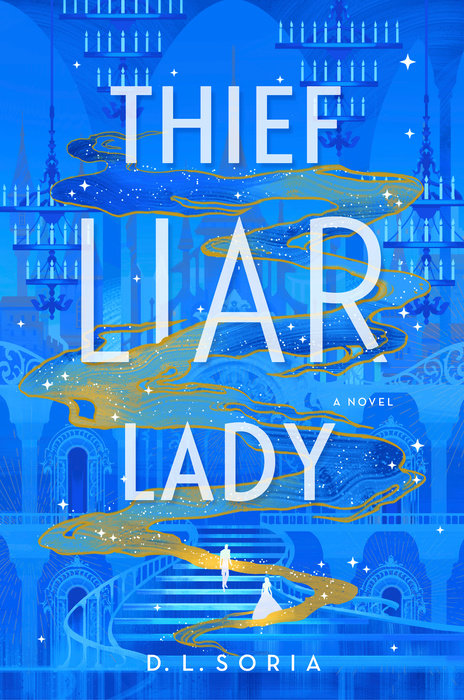
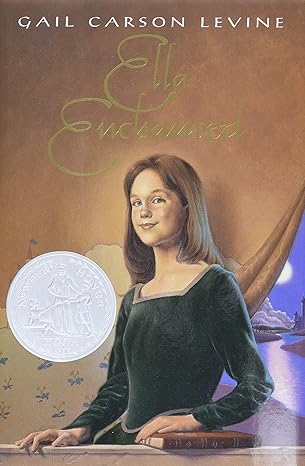
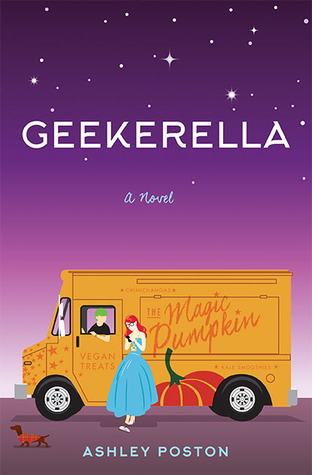
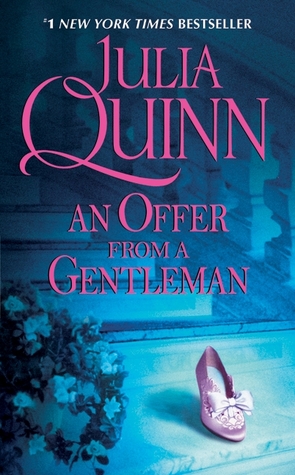
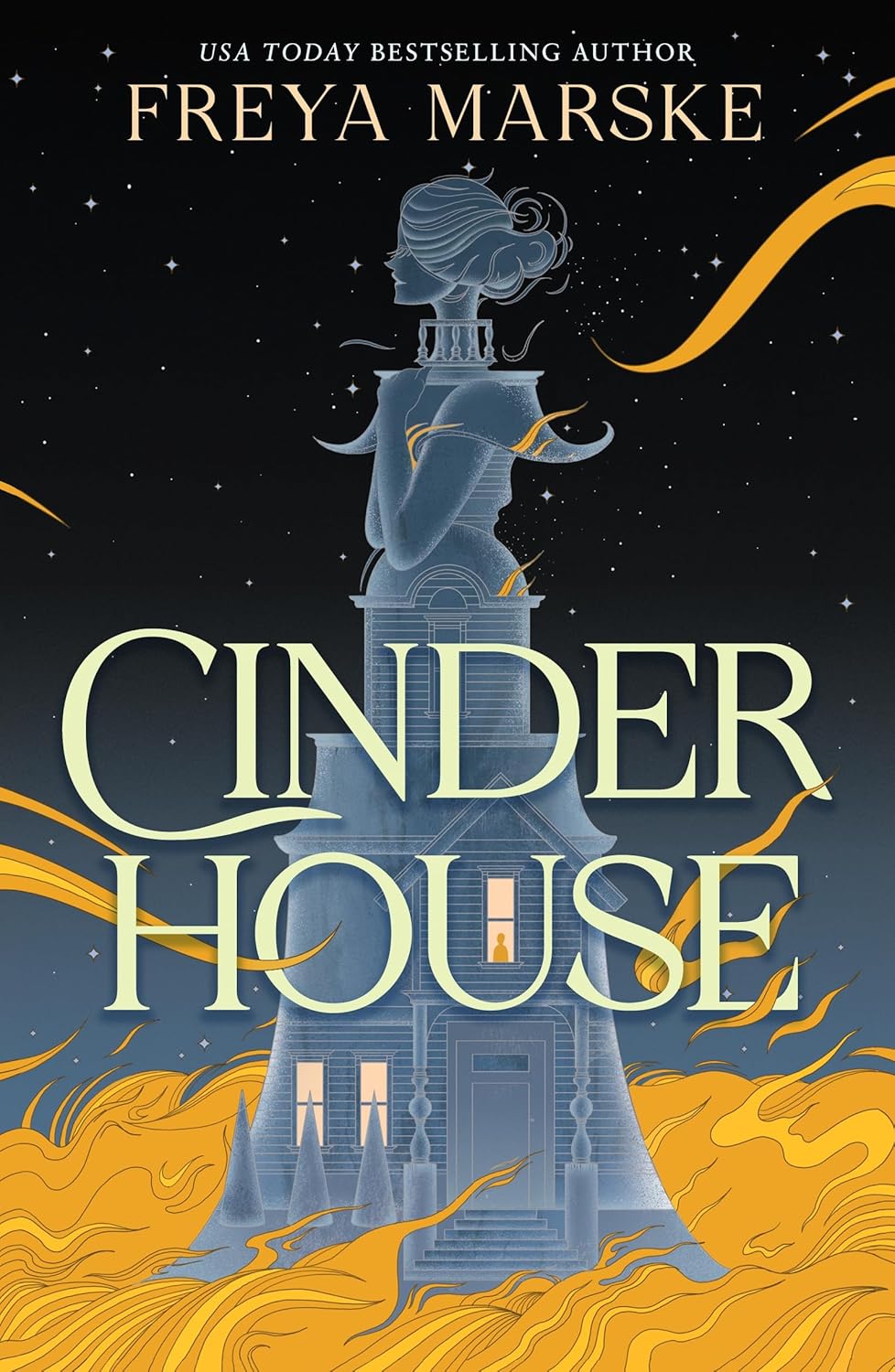
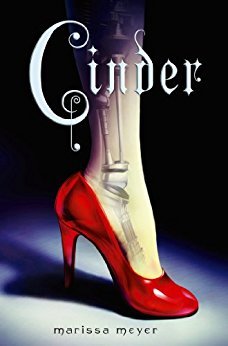

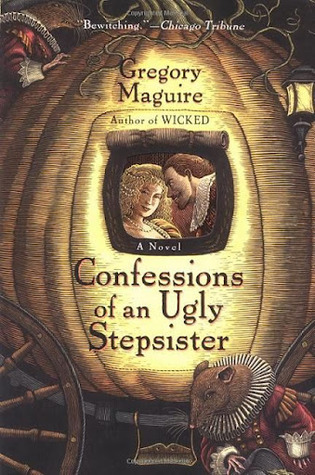
What Cinderella retellings have you read?

Purchase links: Amazon – Audible audiobook – Bookshop.org – Libro.fm
Disclaimer: When you make a purchase through one of these affiliate links, I may earn a small commission, at no additional cost to you.
 Bookshelf Fantasies