Shelf Control #38: Ghost Flower

Shelves final

Welcome to the newest weekly feature here at Bookshelf Fantasies… Shelf Control!

Shelf Control is all about the books we want to read — and already own! Consider this a variation of a Wishing & Waiting post… but looking at books already available, and in most cases, sitting right there on our shelves and e-readers.

Want to join in? See the guidelines and linky at the bottom of the post, and jump on board! Let’s take control of our shelves!

cropped-flourish-31609_1280-e1421474289435.png

My Shelf Control pick this week is:

Ghost FlowerTitle: Ghost Flower
Author: Michele Jaffe
Published: 2012
Length: 368 pages

What it’s about (synopsis via Goodreads):

Eve, a runaway, finds a new job at a coffee shop on the outskirts of Tuscon. When she’s approached by two wealthy teens who claim she bears an uncanny resemblance to their missing cousin Aurora, her life takes a turn for the dark and mysterious. Drawn into a scheme to win Aurora’s inheritance, Eve finds herself impersonating the girl, who disappeared three years ago on the night her best friend Elizabeth died. But when Liza’s ghost begins to haunt Eve, doing harm to the people close to her under the guise of “protecting” her, Eve finds herself in a nightmare maze of lies and deception that leads her to question even her own identity. She realizes her only chance is to uncover the truth about what happened the night Liza died, and to find Liza’s killer – before she’s next.

This teen thriller by Michele Jaffe will keep readers turning pages well into the night.

How I got it:

I bought it!

When I got it:

Probably about two years ago, while traveling.

Why I want to read it:

This was a total impulse buy. I was on a trip with my daughter, and we were in a store stocking up on supplies when I just happened to wander into the book aisle. Something about the cover and synopsis caught my attention, but I still haven’t gotten around to starting it. I do think it sounds good!

__________________________________

Want to participate in Shelf Control? Here’s how:

  • Write a blog post about a book that you own that you haven’t read yet.
  • Add your link below!
  • And if you’d be so kind, I’d appreciate a link back from your own post.
  • Check out other posts, and have fun!


For more on why I’ve started Shelf Control, check out my introductory post here, or read all about my out-of-control book inventory, here.

And if you’d like to post a Shelf Control button on your own blog, here’s an image to download (with my gratitude, of course!):

Shelf Control

When is local too local?

San Francisco. As in, I left my heart…

San Francisco, CA, USA

I’m a transplant, as are a good chunk of the people I meet here in SF. I grew up on the East Coast, but San Francisco has been home for 20+ years now. And obviously, I must love it, since I’ve stayed and put down roots.

It always amuses me when I read books or see movies or TV shows set in my fair city. Sometimes I love it, and sometimes I really don’t. Which brings me to the question:

When is local too local?

Is there such a thing as having too much local content in fiction? When does it enhance, and when does it distract?

SF cableI’ve read plenty of books by now that are set in San Francisco. Because, let’s face it, San Francisco is one of those places that get instant recognition. Golden Gate Bridge, Victorian houses, Alcatraz… they’re all so picturesque, while also being worldwide tourist magnets. So sometimes, key scenes in books will take place with the bridge or the skyline in the backdrop, and that’s about it. But sometimes, the city itself is a part of the story, and that can be a wonderful thing.

Some of my favorites take place in San Francisco. Take for example the Tales of the City series by Armistead Maupin, which is pure and simple an ode to the history and soul and flavor of the city. On a different note, there are the works of Christopher Moore, who sets remarkably weird and wacky supernatural tales in the City by the Bay — and it totally works. I mean, vampire parrots of Telegraph Hill? The Marina Safeway as a key plot location? A heroic Golden Gate Bridge painter? Moore’s books are hilarious, and the way he uses the city’s oddities and quirks (and notable personae, especially the Emperor) are just delightful.

I’ve also read a few great books where the city is just a subtle presence, but one that adds flavor without hitting the big tourist attractions. A recent example is the delightful YA novel Up To This Pointe, which delights in the quieter parts of SF that only residents really know and love — West Portal, the Outer Sunset, and Ocean Beach (my side of town!). The places here aren’t the point of the story, but they do add a sense of home and connection that give the main character roots and a point of origin.

SF grpahic 2Still, sometimes, the local flavor can feel like it’s inserted in order to check items off a list. Maybe it’s when the details are overdone — in one book, every time the characters take public transportation, the specific bus route is named — and I’d find myself veering out of the story and into an internal dialogue about how the N doesn’t actually stop there or no, that’s not the best way to get from the avenues to downtown. In a recent urban fantasy book (which I didn’t enjoy as a whole, and which shall remain nameless), whenever the main character would rush off to save the day, I felt like the story was being narrated by GPS: She took a left on Van Ness, then turned right on Sutter and continued onward for a mile and a half. Not only was it not engaging writing, but again, it completely took me out of the story and into recontructing street maps in my head.

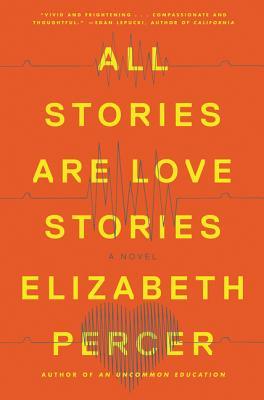
My most recent foray into San Francisco fiction is the new novel All Stories Are Love Stories by Elizabeth Percer (reviewed here). In this book, catastrophic earthquakes that ravish the city serve as a backdrop for a study of characters and their loves and losses. The relationships are interesting enough, but once the quakes hit, all I wanted was to know more. The book does a great job of describing the reasons why huge quakes in SF would be devastating — the crowded design, the unstable ground, the drought, the understaffing of local emergency response, and the reliance on bridges for 2/3 of the entry points to the city. I was interested in the characters, but I couldn’t maintain my focus on them once the local landmarks started coming down and the fires started destroying Chinatown and North Beach. At that point, the SF resident in me just wanted to know more — what was still standing? Did they get the fires out? What happened to the bridges? … and my interest in the main storyline, the characters and their fates, dwindled in the face of the destruction of the place I call home. (I had a quibble with the end of the book as well, which jumps forward a few months and shows the city bouncing back — which is nice, but doesn’t tell me how they got there, and left me feeling that it was a little too rosy to be realistic.)

Don’t even get me started on San Francisco in film. Have you noticed how much movie folks love to destroy San Francisco? Quick, need a scene to show horrific destruction due to aliens/melting of the earth’s core/rampaging apes? Cut to the Golden Gate Bridge! Seriously, it’s kind of ridiculous how often movies use the bridge as shorthand for letting us know that life as we know it is now at serious risk. Can’t they destroy something else once in a while?

street

For me, the local setting in fiction is a mixed bag. When well done, it can absolutely enhance my enjoyment of a good story. I love when the essence, sights and sounds and smells, of a particular neighborhood are used to give texture or groundedness to a story. Rooting the characters in a real place and time can make them seem more alive, and can make the story feel like it could be happening just around the corner. But when the place overrides the story elements, or when the background events seem more attention-worthy than the actual plot, that’s when I start to have trouble with it all.

How about you? How do you feel about reading fiction that’s set in your real-world location, or a place that you know and love? Does it add to your enjoyment, or does it distract you from the plot and characters?

Please share your thoughts!

A note on images: I’d love to give credit where credit is due! All images were found on Pinterest, but original sources were unclear.

Book Review: All Stories Are Love Stories by Elizabeth Percer

all storiesSynopsis:

(via Goodreads)

In this thoughtful, mesmerizing tale with echoes of Station Eleven, the author of An Uncommon Education follows a group of survivors thrown together in the aftermath of two major earthquakes that strike San Francisco within an hour of each other—an achingly beautiful and lyrical novel about the power of nature, the resilience of the human spirit, and the enduring strength of love.

On Valentine’s Day, two major earthquakes strike San Francisco within the same hour, devastating the city and its primary entry points, sparking fires throughout, and leaving its residents without power, gas, or water.

Among the disparate survivors whose fates will become intertwined are Max, a man who began the day with birthday celebrations tinged with regret; Vashti, a young woman who has already buried three of the people she loved most . . . but cannot forget Max, the one man who got away; and Gene, a Stanford geologist who knows far too much about the terrifying earthquakes that have damaged this beautiful city and irrevocably changed the course of their lives.

As day turns to night and fires burn across the city, Max and Vashti—trapped beneath the rubble of the collapsed Nob Hill Masonic Auditorium—must confront each other and face the truth about their past, while Gene embarks on a frantic search through the realization of his worst nightmares to find his way back to his ailing lover and their home.

My thoughts:

All Stories Are Love Stories has some beautiful writing, but using the destruction of San Francisco to set the stage for an exploration of love, commitment, and abandonment might be a step too far.

The characters in this book have all suffered through childhoods characterized by loss, and all feel some sort of aching hole in their lives. Max and Vashti both yearn for what they’ve lost, despite building lives apart from one another. Gene and Franklin have a happy and loving relationship, but loss lurks around the corner, as Franklin has recently been diagnosed with MS and the resulting deterioration frightens Gene no end.

Much of the core of this novel is interior, as we live within the heads of the characters and witness their ruminations on how they’ve reached this particular moment in their lives.

And then disaster strikes. I was both horrified and fascinated by the depiction of the earthquakes and the utter destruction left in their wake, and yet we see so much of it strictly in terms of how it affects this particular group of people.

The comparison to Station Eleven in the synopsis is wishful thinking, in my opinion. Station Eleven was gorgeous and epic in scope, while maintaining the intimacy of personal experience. In All Stories Are Love Stories, we do get these intense personal stories, but somehow, it feels like the biggest stories are always happening off-screen.

The book does do a very good job of showing love in many different forms — between sisters, between lovers, between parent and child — and the risk one takes in loving. Is loving someone and sacrificing for them worthwhile, even when it ultimately must end in grief?

If anything, All Stories Are Love Stories seems to reinforce the sentiment: “‘Tis better to have loved and lost than never to have loved at all.” In the sense that this book can also be described as a love letter to San Francisco (a very over-used phrase, but it really applies here), the quote works as well. Despite its geological faults and its sociological flaws, there’s something unique and magical about San Francisco — enough so that people continue to rebuild the city every time it gets knocked down. For San Francisco, and for its people, it’s the loving that matters most, not the loss.

_________________________________________

The details:

Title: All Stories Are Love Stories
Author: Elizabeth Percer
Publisher: Harper
Publication date: March 22, 2016
Length: 350 pages
Genre: Adult fiction
Source: Library

The Monday Check-In ~ 5/30/2016

cooltext1850356879 My Monday tradition, including a look back and a look ahead — what I read last week, what new books came my way, and what books are keeping me busy right now. Plus a smattering of other stuff too.

In real life:

My baby boy graduated from middle school! I know it’s a total cliché, but I’ll say it anyway: Where has the time gone? It seems like just yesterday he was a tiny little thing, and now here he is, taller than me (not that that’s all that hard) and ready for the next chapter in his life.

What did I read last week?

The FiremanAt the Edge of Summerall stories

The Fireman by Joe Hill: Finished last week. Fantastic book. Here’s my review.

At the Edge of Summer by Jessica Brockmole: Done! My review is here.

All Stories Are Love Stories by Elizabeth Percer: Using a catastrophic earthquake in San Francisco as a backdrop, this novel explores love, abandonment, and commitment. I just finished the book on Sunday, and need to think about it a bit more before deciding whether to write a review.

11singing of the dead12Fine & Bitter Snow

I also read two more fabulous books in the Kate Shugak series by Dana Stabenow, numbers 11 and 12. This series continues to be great! (For more on my love for Kate Shugak, check out my post here.)


Outlander update!

208email

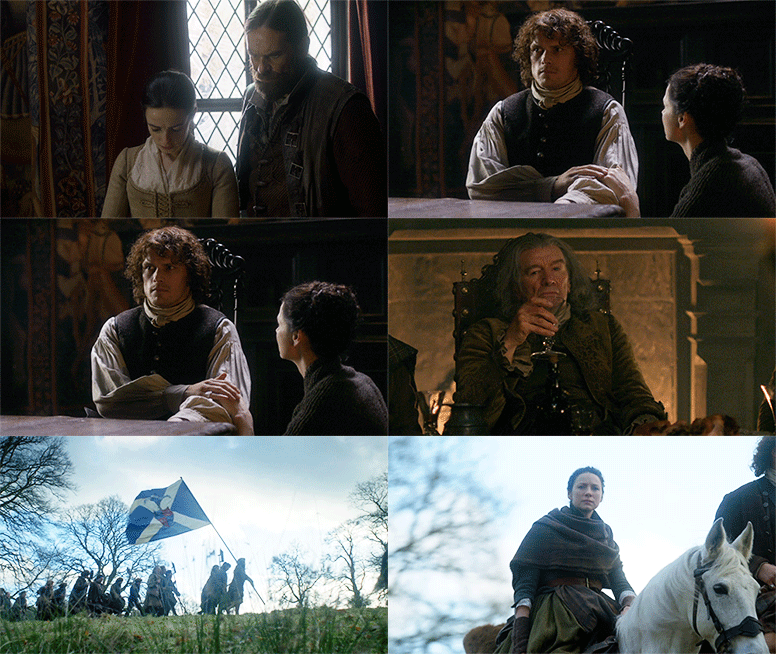
Finally, back to Scotland! Here’s my reaction post for season 2’s 8th episode, “The Fox’s Lair”:

Insta-Reaction: Outlander, Season 2, Episode 8

Fresh Catch:

Yowza. Three library holds came in all at once.

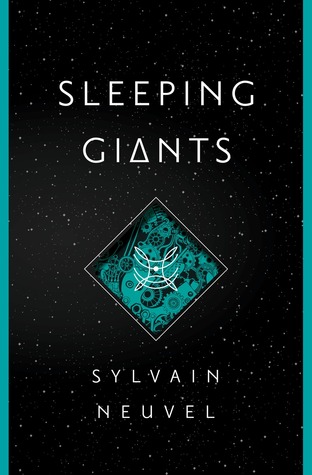
all storieseverything boxsleeping giants

What will I be reading during the coming week?

Currently in my hands:
sleeping giants

Sleeping Giants by Sylvain Neuvel: Just starting. I’m going to try to polish off my library books before diving back into the stack of my own books that are piled up and waiting for attention.

Now playing via audiobook:

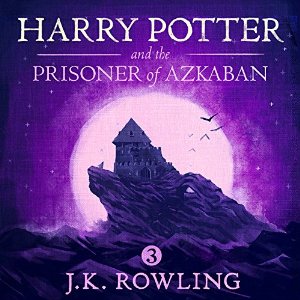
HP3

Back to my Potter audio adventure! It’s been a treat revisiting the Harry Potter series via audiobook, and I’m about 1/3 of the way through HP3 at this point. Loving it, needless to say.

Ongoing reads:

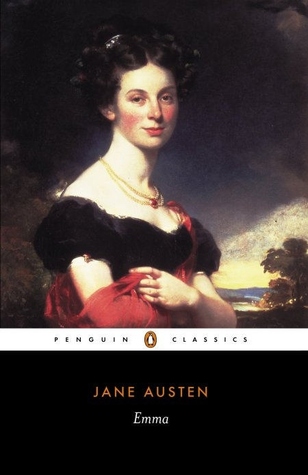
MOBYemma

My book group is reading and discussing two chapter per week of both Written in My Own Heart’s Blood by Diana Gabaldon and Emma by Jane Austen. This is an online group, and anyone is welcome to join us — so if you’re interested, just ask me how!

So many books, so little time…

boy1


Insta-Reaction: Outlander, Season 2, Episode 8

OL banner

Season 2 has begun! My intention is to write an “Insta-Reaction” post for each episode right after viewing, to share some initial thoughts, questions, reactions — you name it.

Warning:

Spoilers

I may be talking about events from this episode, other episodes, and/or the book series… so if you’d rather not know, now’s your chance to walk away!

Outlander, episode 208: “The Fox’s Lair”

The official synopsis (via Starz):

Claire and Jamie call upon Jamie’s grandsire, Lord Lovat, in an attempt to elicit support. However, a visiting Colum MacKenzie has other plans, and Lord Lovat’s manipulations ensure that his own interests will be served.

My take:

Hello, Scotland!

Major plot points:

  • Jamie and Claire return home to Lallybroch.
  • Potatoes are very exciting.
  • Charles Stuart has forged Jamie’s name on a document supposedly signed by his supporters, so that even unwillingly, Jamie is now a traitor.
  • Claire and Jamie realize that the only way to still change the future is to help Charles to win, now that he’s landed on Scottish soil and the rebellion is underway.
  • Jamie goes to seek support from his obnoxious grandfather, Simon Fraser, Lord Lovat. Ick.
  • Laoghaire turns up! Double ick.
  • The MacKenzies, led by Colum, are remaining neutral, but Lord Lovat finds a way to play both sides.

Insta-reaction:

Scotland! Scotland! Scotland!

jc4

Paris was pretty, but it’s lovely to be back in the Highlands. And I was really pleased with the new opening credits, which drop the French chamber music in favor of a warlike drumbeat and more bagpipes. Glorious.

It’s not clear how much time has passed for Jamie and Claire, but apparently long enough since the Paris trauma for them to have found their way back to a loving, romantic, and intimate relationship. Thank the gods and goddesses — no one likes to see these two at odds.

jc1

Claire and Jenny seem reunited as sisters, and there’s briefly peace and harmony at Lallybroch, with Murtagh and Fergus there as part of the family too. Sadly, the calm doesn’t last long, as Jamie is forced into the position of having to either stay and fight for Charles and Scotland, or flee and leave his entire family behind to face the certain destruction following Culloden and the Clearances. Not much of a choice. Jamie can never abandon his people or his home, so despite all of their maneuvering in Paris, Jamie will end up fighting for Charles after all.

Potatoes! And Jamie's knee.

Potatoes!

Lord Lovat is every bit as slimy as we’d expect. He’s mean to everyone around him and has no respect for women (which is actually putting it mildly — he’s abusive and it’s implied that he’s married at least two of his three wives by force). Lord Lovat (the Old Fox) only acts based on his own gain, so he tries to extort a price from Jamie for his support of Charles — he wants Lallybroch. Ugh, this guy is the worst.

lovat

Colum shows up for a visit too, and he wants them all to stay out of the Rising. Claire has an understandably tense reunion with Colum, given that she holds him responsible for her arrest (in season 1) and her trial as a witch.

The biggest surprise of the episode is the appearance of Laoghaire. Book readers know that she isn’t in book 2 at all, so it’s a break from canon to have her appear in this season. She’s come with Colum to Lord Lovat’s castle as Colum’s maid, and while there, she begs Claire for forgiveness, saying that she’s prayed to God, knows she’s done wrong, and repents of her actions toward Claire. Claire refuses to absolve Laoghaire, but ultimately agrees to ask Jamie to think kindly of her again in exchange for Laoghaire playing a role in gaining the support of Young Simon, Lovat’s son and heir.

lao

I can hear the book fans screaming from here! First of all, let’s face it, no one likes Laoghaire. Okay, that’s putting it mildly. People HATE Laoghaire. She’s an awful little wench who almost cost Claire her life. So here’s a big difference: In the books, Claire never tells Jamie about the role Laoghaire played in causing her arrest. In the TV show, Jamie absolutely knows, and both Jamie and Claire blame her for Claire’s near death.

SPOILER FOR BOOK/SEASON 3!!!!

(I know I said already that there would be spoilers, but an extra warning can’t hurt.)

In Voyager, the 3rd book, the big reveal is that Jamie ends up married to Laoghaire during the years after Claire has returned through the stones. (I’m trying to vague things up a bit — it really goes against my nature to be spoilery!). This is super outrageous to Claire (and to readers), because Laoghaire is the evil little twit who almost got Claire dead… but Jamie didn’t know, or else he couldn’t have agreed to the marriage, we’re led to understand.

But now, TV Laoghaire has come and asked for forgiveness, and has made it clear that she still hopes Jamie will love her some day. In the “Inside the Episode” feature afterwards, the director implies that Laoghaire is included here in order to make things that happen later make more sense. I know, I know — readers are probably outraged right about now. But I guess the show’s thinking is that viewers could never accept Jamie marrying Laoghaire later on without at least seeing some act of contrition on her part.

You know what? I’m just not going to worry about it too much. I can’t get too worked up about it. Hopefully, this is the last we’ll see of Laoghaire this season, and now we move on.

Insta-reaction wrap-up:

I’m super happy to be back in Scotland (obviously)… but I also have to admit that this week’s episode felt a little uneventful after the last few episodes in Paris. While there was political maneuvering and debate in this episode, there was a distinct lack of drama. That’s okay, I suppose — this truly is a bridge episode, moving up from the French court into the second half of this season’s plot, the actual Rising back in Scotland. This episode had to set the scene, get us back to the Highlands, and starting moving the chess pieces around. It did that, and now we’re ready to dive into the more military-focused back half of the season.

Remember, we still need to find out exactly why and how Claire ended up back in the 20th century at the beginning of the season!

And furthermore…

Was Jamie holding the baby at Lallybroch not the sweetest and saddest thing? I can’t imagine how heartbreaking it must have been for Claire to watch him with a baby in his arms, with their loss still so fresh in their hearts.

j2

And of course, Jamie wearing kilts 24/7 is a win for everyone.


Take A Peek Book Review: At the Edge of Summer by Jessica Brockmole

“Take a Peek” book reviews are short and (possibly) sweet, keeping the commentary brief and providing a little peek at what the book’s about and what I thought.

At the Edge of Summer

Synopsis:

(via Goodreads)

Luc Crépet is accustomed to his mother’s bringing wounded creatures to their idyllic château in the French countryside, where healing comes naturally amid the lush wildflowers and crumbling stone walls. Yet his maman’s newest project is the most surprising: a fifteen-year-old Scottish girl grieving over her parents’ fate. A curious child with an artistic soul, Clare Ross finds solace in her connection to Luc, and she in turn inspires him in ways he never thought possible. Then, just as suddenly as Clare arrives, she is gone, whisked away by her grandfather to the farthest reaches of the globe. Devastated by her departure, Luc begins to write letters to Clare—and, even as she moves from Portugal to Africa and beyond, the memory of the summer they shared keeps her grounded.

Years later, in the wake of World War I, Clare, now an artist, returns to France to help create facial prostheses for wounded soldiers. One of the wary veterans who comes to the studio seems familiar, and as his mask takes shape beneath her fingers, she recognizes Luc. But is this soldier, made bitter by battle and betrayal, the same boy who once wrote her wistful letters from Paris? After war and so many years apart, can Clare and Luc recapture how they felt at the edge of that long-ago summer?

Bringing to life two unforgettable characters and the rich historical period they inhabit, Jessica Brockmole shows how love and forgiveness can redeem us.


My Thoughts:

The synopsis pretty much covers it all. At the Edge of Summer is a book about two people who meet one summer, a 15-year-old orphaned girl and a 19-year-old college student. They form a strong bond and help each other discover crucial aspects of themselves, then spend years apart, separated first by geography and then by war.

The story should have been much more moving than I found it. I simply didn’t connect with the characters in the first section of the book, during their early summer together, so I never really invested in their connection or their relationship. Clare’s artistic aspirations didn’t resonate with me, and I couldn’t envision her as a real person.

Luc is much more sympathetic, and the portions of the story about his wartime experiences are quite sad to read. Still, something about this book just left me cold.

I was interested to see the depiction of the real-life studio in Paris that specialized in masks for men disfigured during the war. I’ve encountered versions of this story before, most recently in a short story in the Fall of Poppies collection (to which Jessica Brockmole contributed a terrific story, by the way). The studio really existed, and its real-life founder, Anna Coleman Ladd, is included in this novel as well.

Stories of the First World War and the horrific experiences of the soldiers, on the battlefields, in the trenches, and upon their return to society, are always moving and startling to read about. Somehow, though, At the Edge of Summer failed to fully engage my emotions. I consider it a decent novel, but wouldn’t go farther than saying that it was a fine read and I don’t regret the time spent on it.

_________________________________________

The details:

Title: At The Edge of Summer
Author: Jessica Brockmole
Publisher: Ballantine
Publication date: May 17, 2016
Length: 336 pages
Genre: Historical fiction
Source: Review copy courtesy of the publisher via NetGalley

Thursday Quotables: Rush Oh!

quotation-marks4

Welcome back to Thursday Quotables! This weekly feature is the place to highlight a great quote, line, or passage discovered during your reading each week.  Whether it’s something funny, startling, gut-wrenching, or just really beautifully written, Thursday Quotables is where my favorite lines of the week will be, and you’re invited to join in!

NEW! Thursday Quotables is now using a Linky tool! Be sure to add your link if you have a Thursday Quotables post to share.

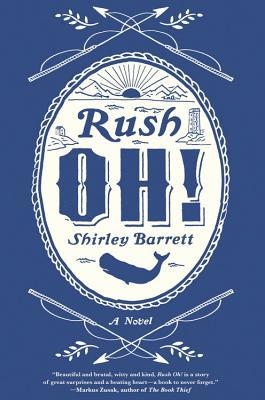
Rush Oh

Rush Oh! by Shirley Barrett
(published 2016)

I reviewed this wonderful book last week (check out my review here). It’s about a whaling community in Australia in 1908, and if that sounds a bit odd or dry — well, I promise you won’t think so once you start reading it! Here’s a lovely little moment that captures the tone of the narrator’s voice:

He was smiling at me and his eyes were shining in the darkness, and at that point, I’m afraid that something within me seemed to seize up in a kind of panic. Any girlish gaiety that I had been blessed with at birth had stiffened and stuck from lack of use, and although I was only nineteen years of age, I felt unable to rise to the obvious demands of the occasion.

“I’m sorry. I’m no good at this. I can’t do it,” I said, lurching abruptly to my feet.

Swiftly he reached up and pulled me back down again.

“Do what?”

“This light-hearted banter between the sexes that you are obviously hoping for.”

“Of course you can do it! You’ve been doing it extremely well up to this moment.”

“That is kind of you to say, but I am only too aware of my shortcomings…”

What lines made you laugh, cry, or gasp this week? Do tell!

If you’d like to participate in Thursday Quotables, it’s really simple:

  • Write a Thursday Quotables post on your blog. Try to pick something from whatever you’re reading now. And please be sure to include a link back to Bookshelf Fantasies in your post (http://www.bookshelffantasies.com), if you’d be so kind!
  • Click on the linky button (look for the cute froggie face) below to add your link.
  • After you link up, I’d love it if you’d leave a comment about my quote for this week.
  • Be sure to visit other linked blogs to view their Thursday Quotables, and have fun!

Shelf Control #37: The Hypnotist’s Love Story

Shelves final

Welcome to the newest weekly feature here at Bookshelf Fantasies… Shelf Control!

Shelf Control is all about the books we want to read — and already own! Consider this a variation of a Wishing & Waiting post… but looking at books already available, and in most cases, sitting right there on our shelves and e-readers.

Want to join in? See the guidelines and linky at the bottom of the post, and jump on board! Let’s take control of our shelves!

cropped-flourish-31609_1280-e1421474289435.png

My Shelf Control pick this week is:

Redesign_9780425260937_HypnotistsLo_cover.inddTitle: The Hypnotist’s Love Story
Author: Liane Moriarty
Published: 2011
Length: 480 pages

What it’s about (synopsis via Goodreads):

Ellen O’Farrell is a professional hypnotherapist who works out of the eccentric beachfront home she inherited from her grandparents. It’s a nice life, except for her tumultuous relationship history. She’s stoic about it, but at this point, Ellen wouldn’t mind a lasting one. When she meets Patrick, she’s optimistic. He’s attractive, single, employed, and best of all, he seems to like her back. Then comes that dreaded moment: He thinks they should have a talk.

Braced for the worst, Ellen is pleasantly surprised. It turns out that Patrick’s ex-girlfriend is stalking him. Ellen thinks, Actually, that’s kind of interesting. She’s dating someone worth stalking. She’s intrigued by the woman’s motives. In fact, she’d even love to meet her.

Ellen doesn’t know it, but she already has.

How I got it:

I bought it!

When I got it:

A couple of years ago, after reading The Husband’s Secret.

Why I want to read it:

After reading two amazing books by Liane Moriarty, The Husband’s Secret and Big Little Lies, I decided I should investigate some of her earlier books as well. While I’ve had The Hypnotist’s Love Story on my shelf for a while, I just haven’t gotten around to it. Meanwhile, the author’s newest book comes out this summer, and I can’t wait!

__________________________________

Want to participate in Shelf Control? Here’s how:

  • Write a blog post about a book that you own that you haven’t read yet.
  • Add your link below!
  • And if you’d be so kind, I’d appreciate a link back from your own post.
  • Check out other posts, and have fun!


For more on why I’ve started Shelf Control, check out my introductory post here, or read all about my out-of-control book inventory, here.

And if you’d like to post a Shelf Control button on your own blog, here’s an image to download (with my gratitude, of course!):

Shelf Control

Book Review: The Fireman by Joe Hill

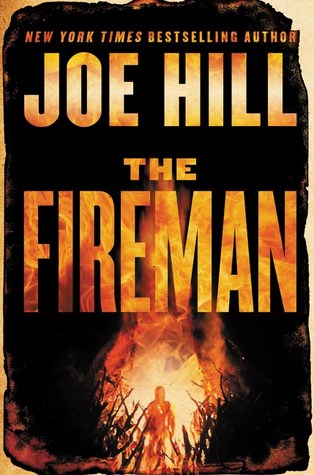
The FiremanAll the stars. This book deserves all the stars. For a 700+ page book, it sure goes down like candy. I raced through it, and now I’m mad that I’m done, because I want to spend more time in the story!

So yes, I guess you’ve figured out up front that this is a rave review. No big surprise: This is Joe Hill’s 4th novel, and it’s the 4th Joe Hill novel that I’ve loved.

I associate Joe Hill with scary-ass horror, but surprisingly, I wouldn’t call The Fireman a horror story at all. What it is, exactly, is a bit harder to put my finger on, but if I had to come up with a description, I’d say that The Fireman is a post-apocalyptic love story, with crazed dystopian power struggles and hypnotic religious leaders and dangerous cults. And that’s just scratching the surface.

Main character Harper Willowes is a nurse, of the best spit-spot Mary Poppins ilk. She entertains school children with her no-nonsense cheeriness, while helping the medicine go down with a spoonful of sugar. As the story opens, Harper is treating a young boy in the school nurse’s office when she sees a man burn to death out in the yard.

Why did the man burn to death? Because there’s a worldwide pandemic just starting to erupt. Originally seen as a third world problem, the spread of Draco incendia trychophyton — Dragonscale — quickly grabs first-world attention when it starts showing up in cities across the US and other so-called civilized countries.

Dragonscale victims first exhibit black streaks across their bodies, often quite beautiful and flecked with gold, before bursting into flames. Yes. Bursting into flames. Sufferers of Dragonscale are fated to self-combust after several weeks or months, and there’s nothing that can prevent it. Unfortunately, as people burst into flames, they tend to take buildings — schools, hospitals, neighborhoods, even the Space Needle — with them, and soon huge swathes of the country and the world are consumed by fire and ash.

Harper treats the infected while clothed in Ebola-level hazard-prevention attire, but still becomes infected herself, right after discovering she’s pregnant. And here’s where Harper’s husband goes a tad psycho, determined that they should kill themselves together rather than waiting for a fiery end. But Harper doesn’t want to, and Jakob’s insistence on their beautiful co-suicide turns ugly and violent, until Harper barely escapes with her life.

What she escapes to is a group of refugee people, all infected with Dragonscale, who live as a collective in hiding at an abandoned camp, where they learn to control the Dragonscale through their communal worship and connection. It’s cool, but quickly becomes a bit too group-think/hive-mind, as the kindly man overseeing the camp is succeeded by his more fanatical daughter.

Alrighty, I’ll stop with the synopsis. Either this is the type of story to absolutely grab you… or it’s just not for you.

I loved it. I think I’ve made that clear. Joe Hill sure can tell a story. The characters are so distinct and well-drawn. I could picture and hear them all as we went along. The Dragonscale pandemic is fascinating. I loved the origin of the disease and its explanation, the cause, the spreading mechanism, and the explanation of the way the group singing acts to control the combustion.

There’s a lot of humor in the writing itself and in the characters’ often quirky attitudes and sense of humor. I found it completely hilarious that Joe Hill kept throwing in little mentions of all the dead celebrities throughout the book. Imagine being one of them and finding out that you’d been fictionally killed off by a horrible infection! For example…

They were showing footage from last night’s Celtic game, just like nothing was happening. Isaiah Thomas rose up on his toes, fell backward, and let go of the basketball, hit a shot from nearly half court. They didn’t know it then, but by the end of the following week, the basketball season would be over. Come summer, most of the Celtics would be dead, by incineration or suicide.

Then Glenn Beck burned to death on his Internet program, right in front of his chalkboard, burned so hot his glasses fused to his face, and after that most of the news was less about who did it and more about how not to catch it.

The other guns went off, all together, firecrackers on a July night. Muzzles flashed, like paparazzi snapping shots of George Clooney as he climbed out of his limousine. Although George Clooney was dead, had burned to death while on a humanitarian aid mission to New York City.

There are more, but I won’t spoil the surprise (can I even call it fun?) of stumbling across these morbid pop cultural references. There’s even a little throw-away reference to Christmas-land — and that name alone should strike fear into the hearts of anyone who read Hill’s previous novel, NOS4A2.

The Fireman has several parts, focusing first on the end of the world as we know it via the deadly Dragonscale and its fires, then life at the camp and the new society that forms there, and then again in a quest for peace and refuge. Throughout, there are scenes of personal connection, touching and deeply felt, as well as intense and brutal action sequences that are insanely pulse-pounding.

This is a long book, but it flies by. I loved the characters, especially Nurse Harper and the titular Fireman, but also the orphaned children and the loving older woman who become part of Harper’s circle of protection, her new-found family.

The ending is stunning and satisfying, and yet I want more! So far, Joe Hill hasn’t shown a tendency to repeat himself or revisit worlds from earlier books, but damn, I wish there were more to this story. I want to know what happens next!

If you enjoy suspense, destruction, unusual and strong characters, and yes, even love stories, The Fireman is absolutely worth checking out.

Have you read The Fireman? Or have I convinced you to give it a try? I’d love to hear what you think!

For more on Joe Hill’s books, check out my reviews of:
Horns
NOS4A2

_________________________________________

The details:

Title: The Fireman
Author: Joe Hill
Publisher: William Morrow
Publication date: May 17, 2016
Length: 768 pages
Genre: Post-apocalyptic/horror/dystopian
Source: Purchased

The Monday Check-In ~ 5/23/2016

cooltext1850356879 My Monday tradition, including a look back and a look ahead — what I read last week, what new books came my way, and what books are keeping me busy right now. Plus a smattering of other stuff too.

In real life:

I spent all of last week at home, recovering from knee surgery, but as of today, it’s back to the salt mines! Back to work, back to routine… back to a life with not nearly enough reading time in it!

What did I read last week?

versions2Rush OhThe Fireman

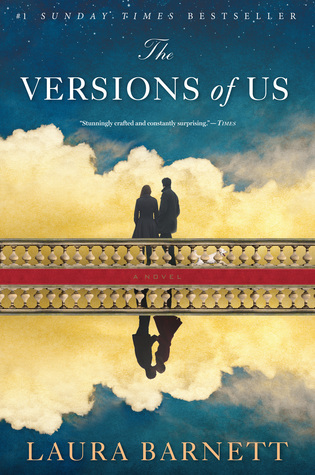
The Versions of Us by Laura Barnett: Loved it! My review is here.

Rush Oh! by Shirley Barrett: Loved this one too! My review is here.

The Fireman by Joe Hill: Wow. Amazing book. Finished at 2:30 in the morning because I Just. Couldn’t. Stop. Review to follow in the next couple of days.

In graphic novels…

buffy collage

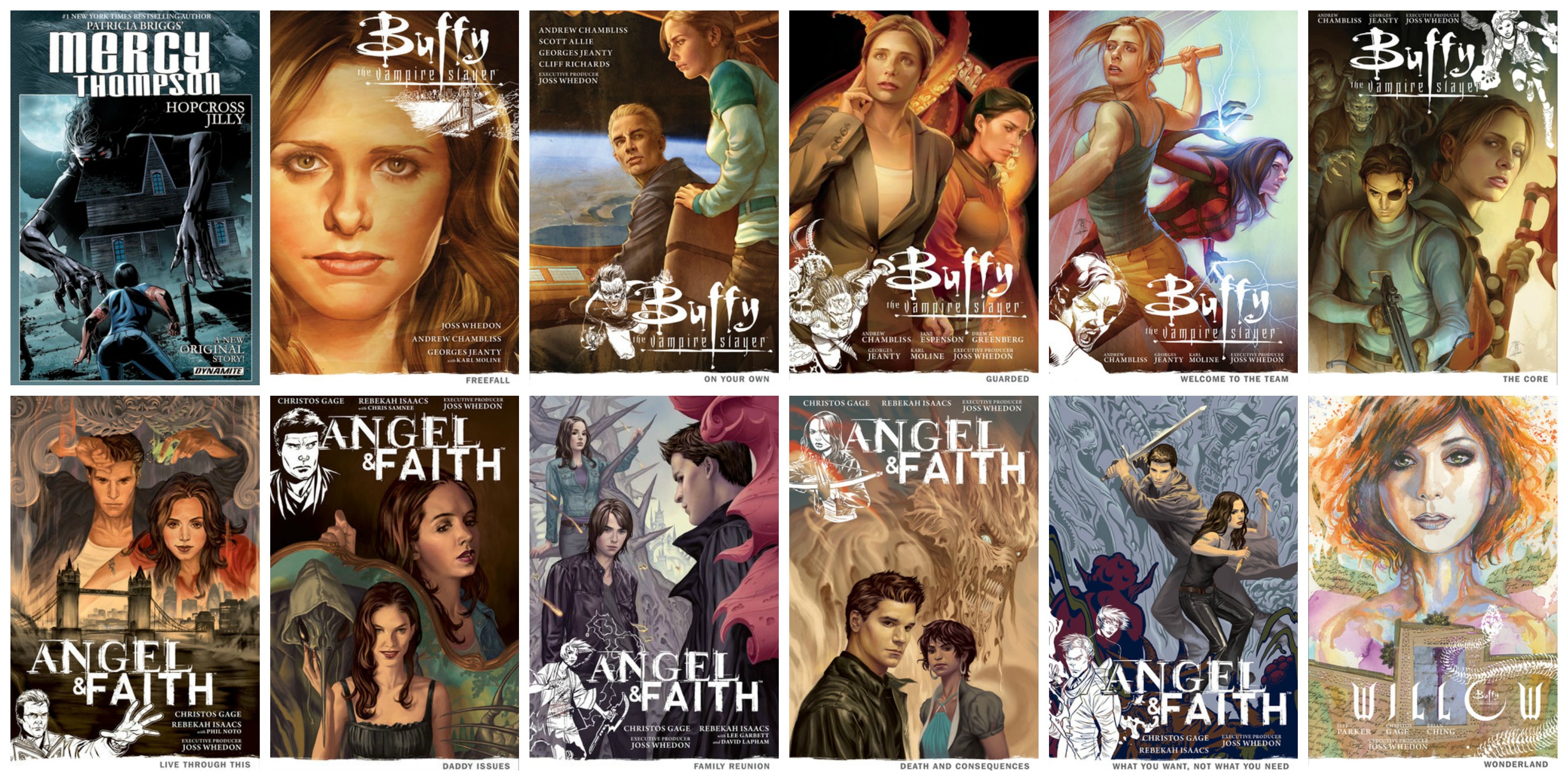
… I went on quite a little binge. I read one volume from the Mercy Thompson world (Hopcross Jilly), then switched over to the Buffy-verse, where I finally caught up on all of Buffy season 9, Angel & Faith season 9, and the single volume of Willow Wonderland. I have the first few volumes of season 10, but I think I’ll hold off until the end of the year when the entire season will be available. Bottom line: This was super fun. It was great to immerse myself in the Buffy world again, and while some plot developments are better than others, overall it’s terrific to see what the gang is up to.

Pop culture goodness:

While I was sitting around the house with my feet up, I watched a couple of movies that I’ve been meaning to get to for a while:

  • Deadpool – which was hilarious, except that I allowed my 13 year old to watch it with me, resulting in one of my most awkward viewing experiences ever. He loved it, of course, but it was waaaay inappropriate.
  • Trainwreck — no, I did not allow my kiddo to watch this one! I do have a tiny shred of appropriate mother in me, it would seem. Trainwreck was pretty fun, but went on a lot longer than it needed to. Funny, I thought my husband would find it hilarious, but he got bored midway through and left me to finish alone. Oh well.

Outlander update!

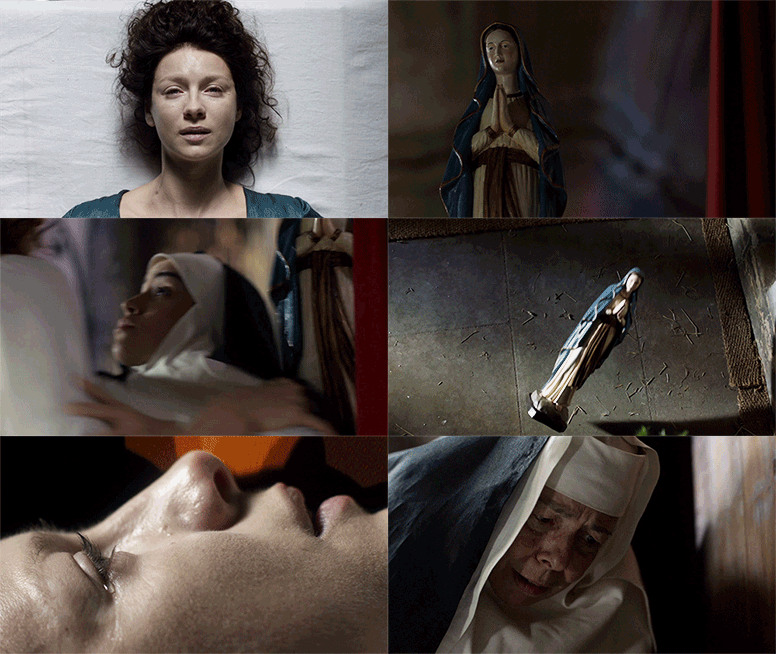
image

Season 2 rocks! This week’s episode was a heartbreaker. Here’s my reaction post for the 7th episode, “Faith”:

Insta-Reaction: Outlander, Season 2, Episode 7

Fresh Catch:

You know how when certain books come out and you plan your entire week of reading around them? Yup. This:

The Fireman

What will I be reading during the coming week?

Currently in my hands:
At the Edge of Summer

At the Edge of Summer by Jessica Brockmole: Just starting. I loved the author’s previous book, Letters from Skye (review), and I have high hopes for this one too!

Now playing via audiobook:

29219252

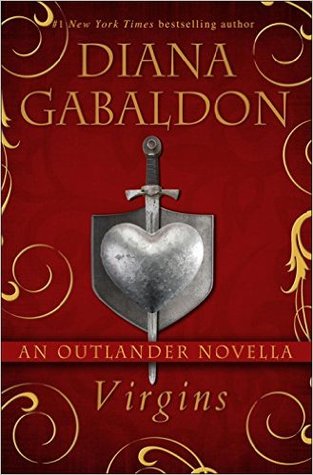
I was off work this entire past week, recuperating from knee surgery, and I also did no driving… which meant no audiobook enjoyment either. I have about an hour left of “Virgins”, and now that I’m headed back to work, should have it done in the next day or so.

Ongoing reads:

MOBYemma

My book group is reading and discussing two chapter per week of both Written in My Own Heart’s Blood by Diana Gabaldon and Emma by Jane Austen. This is an online group, and anyone is welcome to join us — so if you’re interested, just ask me how!

So many books, so little time…

boy1