
Book Review: The God of the Woods by Liz Moore

Title: The God of the Woods
Author: Liz Moore
Publisher: Riverhead Books
Publication date: July 2, 2024
Length: 490 pages
Genre: Mystery/thriller
Source: Library
Rating:

Rating: 5 out of 5.

When a teenager vanishes from her Adirondack summer camp, two worlds collide.

Early morning, August 1975: a camp counselor discovers an empty bunk. Its occupant, Barbara Van Laar, has gone missing. Barbara isn’t just any thirteen-year-old: she’s the daughter of the family that owns the summer camp and employs most of the region’s residents. And this isn’t the first time a Van Laar child has disappeared. Barbara’s older brother similarly vanished fourteen years ago, never to be found.

As a panicked search begins, a thrilling drama unfolds. Chasing down the layered secrets of the Van Laar family and the blue-collar community working in its shadow, Moore’s multi-threaded story invites readers into a rich and gripping dynasty of secrets and second chances. It is Liz Moore’s most ambitious and wide-reaching novel yet.

In The God of the Woods, an intricate timeline and multiple points of view bring to vivid life the story of missing children, a privileged family, and its influence over the working class people who depend upon them for their livelihoods.

The story opens at Camp Emerson, a summer camp located on the grounds of the Van Laar Preserve. The Van Laar family bought this vast property in the Adirondacks from loggers several generations back, and have turned it into their mountain getaway. Their huge house, named Self-Reliance, dominates the hilltop overlooking the lake; down the hill, the staff of the camp tend to the children of wealthy families each summer.

In the summer of 1975, 13-year-old Barbara Van Laar attends camp for the first time. She’s an independent-minded, punk rock-loving teen who’s happy to be out from under her parents’ control for the eight weeks of camp, and she quickly bonds with one of the other new girls in her cabin. But in August, Barbara’s counselor wakes up to discover that Barbara’s bed is empty, and fears the worst.

Fourteen years earlier, the first Van Laar child — named Peter (Peter IV, to be exact) but known as Bear, also went missing from the Van Laar Preserve and was never found, despite a huge search. Now, fears run high that the same fate has befallen Barbara, and news that a notorious serial killer has escaped prison and is on the lam in the Adirondacks only adds to the searchers’ desperation.

But there is so much more to the story than a missing person’s case. As each chapter begins, a different date is highlighted, and the narrative jumps between the 1950s, 1960s, and 1970s, as well as between different points in that fateful summer of 1975. The story is not told chronologically; confusing at first, but ultimately, adding to the depth of the character portrayals and giving readers plenty of clues and red herrings to chew over.

Beyond the dual mysteries surrounding Bear and Barbara, the book also is a portrait of the deep divide between haves and have-nots. The Van Laars are seemingly untouchable. They and their wealthy, powerful friends control the area, providing the only source of employment for the nearest small town since the paper factory shut down years earlier. No one can afford to get on the Van Laars’ bad side, even if it means looking away when bad things happen.

I was hesitant to pick up The God of the Woods, not sure that the genre and writing would appeal to me, based on comments I’d read here and there. I’m so glad I got past my concerns and gave it a try. After some initial struggles with the jumps between timelines, I became more comfortable with the book’s structure and ended up finding the chronology fascinating. As for the writing itself, it’s tense and illuminating, and doesn’t drag a bit — those 500 pages absolutely flew by.

With so many point-of-view characters, it may feel almost overwhelming at first to keep track of them all, but ultimately, having so many perspectives — some accurate, some not — on the events of 1975 as well as the earlier disappearance, only adds to the depth of the story. The depiction of the Van Laars and their guests, lounging about in satin pajamas even when a child goes missing, is a chilling portrait of cold power and indifference. And then there’s the setting itself, the beautiful, dangerous forests of the Adirondacks — where campers are taught to immediately sit down and start yelling if they realize they’re lost. The Van Laar home may seem luxurious and civilized, but it’s surrounded by wilderness, which ultimately holds more power than the people who come there.

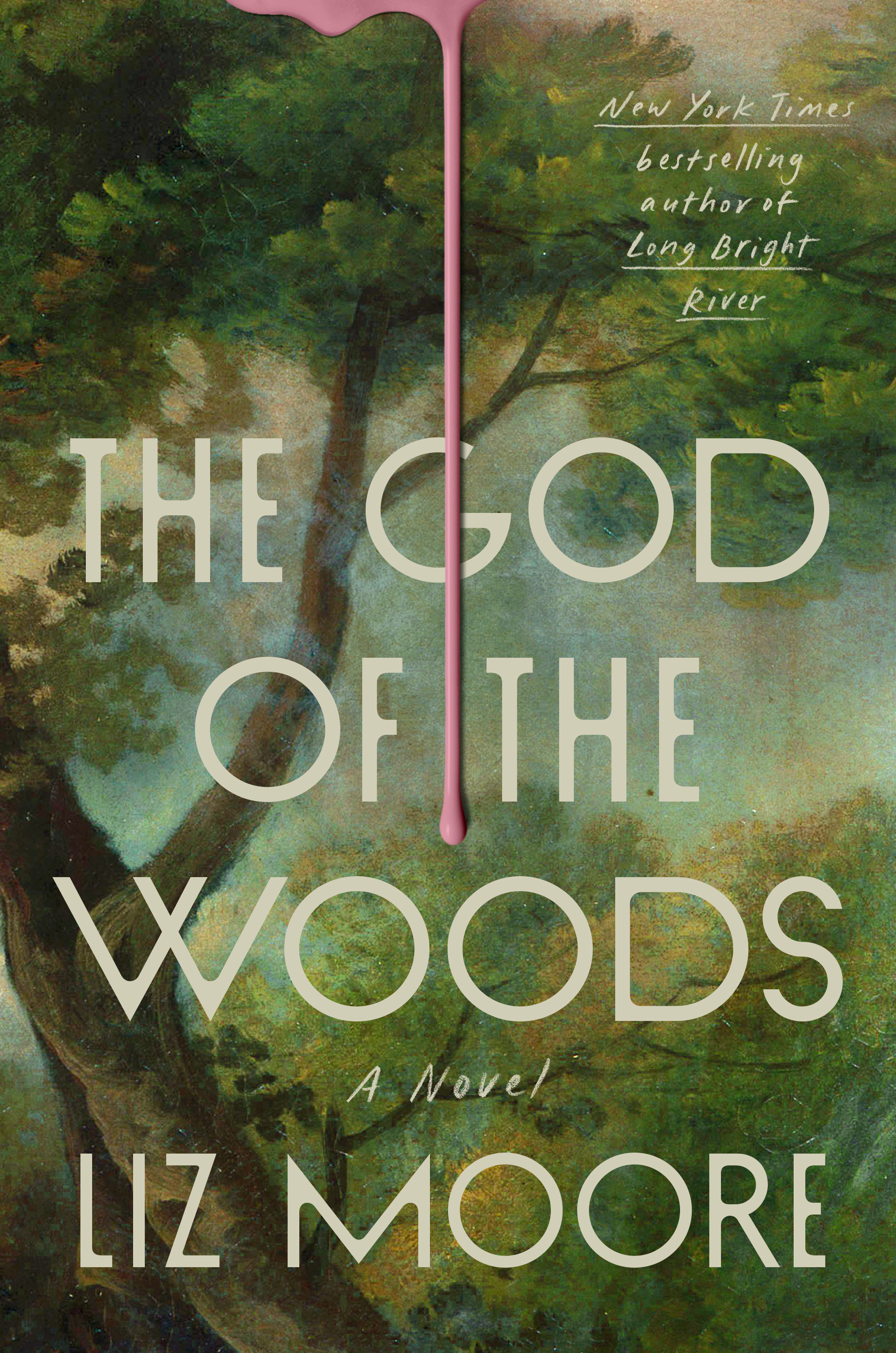
My only quibble with this book is that the title seems like an odd choice to me. Yes, it’s somewhat clearer by the end, but generally speaking, it seems pretty disconnected from the overall story. On the other hand, the cover is brilliant. It’ll make more sense once you read the book!

I can’t say enough good things about The God of the Woods. By the time I passed the halfway mark, I couldn’t put it down and wanted nothing more than uninterrupted time to read straight through to the end. Don’t miss this well-written, thought-provoking, surprising, twisty book!

Book Review: Until Next Summer by Ali Brady

Title: Until Next Summer
Author: Ali Brady
Publisher: Berkley
Publication date: July 9, 2024
Length: 447 pages
Genre: Contemporary fiction / romance
Source: Review copy courtesy of the publisher via NetGalley
Rating:

Rating: 4 out of 5.

Two former best friends each find love at an adults-only summer camp in this romantic and nostalgic novel that proves “once a camp person, always a camp person.”

Growing up, Jessie and Hillary lived for summer, when they’d be reunited at Camp Chickawah. The best friends vowed to become counselors together someday, but they drifted apart after Hillary broke her promise and only Jessie stuck to their plan, working her way up to become the camp director. 

When Jessie learns that the camp will be sold, she decides to plan one last hurrah, inviting past campers—including Hillary—to a nostalgic “adult summer camp” before closing for good. Jessie and Hillary rebuild their friendship as they relive the best time of their lives—only now there are adult beverages, skinny dipping, and romantic entanglements. Straitlaced Hillary agrees to a “no strings attached” summer fling with the camp chef, while outgoing Jessie is drawn to a moody, reclusive writer who’s rented a cabin to work on his novel.

The friends soon realize this doesn’t have to be the last summer. They’ll team up and work together, just like the old days. But if they can’t save their beloved camp, will they be able to take the happiness of this summer away with them?

There are two kinds of people in the world: Camp people… and everyone else.

Guess which kind I am? Hint: I still know how to weave lanyards, make sand candles, and play capture the flag, and think singing around a bonfire while eating toasted marshmallows is just about heaven on earth.

So… if you enjoy stories about childhood friends reuniting, taking on a mission, finding love, and engaging in all sorts of silliness, Until Next Summer might be a great read for you — and if you think sleeping in bunkbeds in old wooden cabins, going to free swim in a lake, and doing three-legged races are key components of perfect summers, then reading Until Next Summer is a must!

In this sweet novel, Jessie and Hillary are former BFFCs (Best Friends From Camp — and yes, I just made that up). Year after year, from eight-years-old onward, they spent two glorious month together each summer at their beloved Camp Chickawah, and planned to keep coming back as counselors too. But after Hillary abruptly backed out of their counselor summer to pursue an internship instead, the friendship was over. Ten years later, the hurt feelings remain.

Jessie has never left Camp Chickawah behind. In fact, she loved camp so much that she stayed, joining the year-round staff and eventually working her way up to Camp Director following the camp owners’ retirement. Jessie gets a terrible shock when the children of the former owners inform her that next summer will be the end: After their parents’ death, they have no interest in continuing to run the camp, and instead have decided to sell off the property to developers.

Jessie is devastated, and comes up with a plan for one final summer: In an attempt to show the owners’ heirs how much the camp means to its community and hopefully persuade them to keep it going, Jessie invites camp alumni of all ages to come enjoy a summer dedicated to adult camp. And — perhaps surprisingly — the response is huge: Every session of the summer fills up, and the adult campers cannot wait to come.

Joining the staff for the final summer is Jessie’s old friend Hillary. On the verge of accepting yet another high-octane corporate job, and possibly marrying her attorney boyfriend (who comes complete with her dad’s stamp of approval), Hillary decides instead that a return to her true happy spot might be just what she needs… and maybe she and Jessie can even make amends, after all these year.

Until Next Summer is a joyful celebration of friendship and, especially, of the unique, special, lifelong friendships that are the essence of the summer camp experience. Reading about adults returning to relive their happiest moments and recreate the camp vibe is a total hoot — nostalgic and silly and totally entertaining.

… [B]ut that’s how time works at camp: a day feels like a week, a week feels like a month.

Seeing camp through Jessie and Hillary’s eyes, it’s easy to remember how a summer at camp becomes the center of everything: Summer seems like it expands to fill your entire life, and the rest of the year is just filler until you can get back to the real thing.

I loved how perfectly the authors capture Jessie and Hillary’s connection. Sure, the end of their friendship seems way too harsh and sudden (if they’d had a single conversation, things might have gone differently) — but once they do reconnect, we readers really feel how deep the camp bond goes.

“People always talk about soulmates as being romantic,” I say, leaning my head against her shoulder. “But is it weird that you’re the closest thing I’ve ever experienced to that?”

“Not weird at all,” she says, and rests her head on mine.

Speaking of romance… I was less captivated by the romantic elements of the novel. Jessie and Hillary both get love stories, and they’re fine. I was less convinced by Jessie’s romance — her love interest transformed from grumpy to sunshine in the blink of an eye, and I didn’t truly feel their chemistry. Hillary’s love story was a bit more fun, and the I got a huge kick out of the pair sneaking off into the woods for make-out sessions. Now that’s summer camp!

The fundraising and save-the-camp campaign are perhaps too good to be true — I don’t think events would have gone so well in a real-life situation. Still, in the context of the novel, it’s a fun bit of wish fulfillment, and we’re really never left in any doubt that the good guys will come out on top.

Overall, Until Next Summer is an upbeat, sweet, engaging read. I loved the focus on friendship and the lasting impact of summer camp; the romances made less of an impression, but still provide some great moments.

Even if you’re not actually a camp person, Until Next Summer may make you feel like you could have been. This book is a terrific choice for summer reading… preferably on a beach blanket on the shores of a gorgeous lake.

About the authors: Ali Brady is the pen name of writing BFFs Alison Hammer and Bradeigh Godfrey. This is their third book together, and I’m looking forward to exploring their other two!