Thursday Quotables: Northanger Abbey (by Val McDermid)

quotation-marks4

Welcome back to Thursday Quotables! This weekly feature is the place to highlight a great quote, line, or passage discovered during your reading each week.  Whether it’s something funny, startling, gut-wrenching, or just really beautifully written, Thursday Quotables is where my favorite lines of the week will be, and you’re invited to join in!

NEW! Thursday Quotables is now using a Linky tool! Be sure to add your link if you have a Thursday Quotables post to share.

Northanger Abbey 3

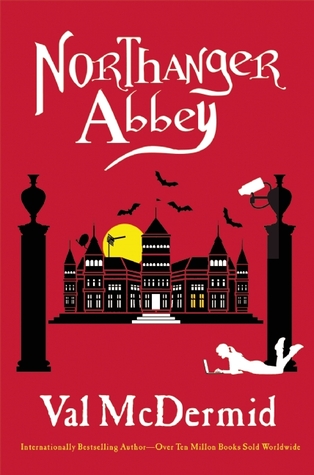
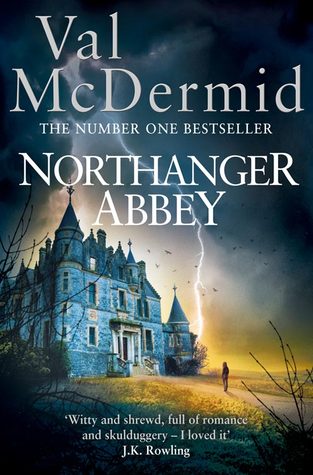
Northanger Abbey by Val McDermid
(published March 27, 2014)

This modern retelling of Jane Austen’s first novel is pretty adorable, reimagining Catherine Morland as 17-year-old Cat, a teen girl with an overactive imagination thanks to her obsessive reading of Twilight and other vampire- and beasty-themed YA novels. Upon first view of Northanger:

“OMG,” Cat breathed. The abbey was vampire heaven.

Is it any wonder that she overreacts?

Before she could open the book, there was a clap of thunder so loud and close that Cat cried out in terror. The room was abruptly plunged into darkness and a second deafening thunderclap vibrated through the air. Cat curled into a ball and moaned softly. What terrible powers had her discovery unleashed?

The story is all quite cute, even in the quieter interludes, such as this one hanging out in the younger Tilneys’ rec room:

Cat pushed the door open and Henry looked up from a somewhat battered old guitar. He gave her a welcoming smile. “You found us. Ellie was afraid she hadn’t give you clear enough directions. Come in and join us. We like to think of this as the Slytherin common room.”

“Hardly,” Ellie said, rising from the comfy chintz sofa where she was sprawled. “When you’re around, it’s more like Hufflepuff. Typical lawyer, all hot air and bluster.”

This book is light and fluffy, and perfectly suits my short attention span right now.

What lines made you laugh, cry, or gasp this week? Do tell!

If you’d like to participate in Thursday Quotables, it’s really simple:

  • Write a Thursday Quotables post on your blog. Try to pick something from whatever you’re reading now. And please be sure to include a link back to Bookshelf Fantasies in your post (http://www.bookshelffantasies.com), if you’d be so kind!
  • Click on the linky button (look for the cute froggie face) below to add your link.
  • After you link up, I’d love it if you’d leave a comment about my quote for this week.
  • Be sure to visit other linked blogs to view their Thursday Quotables, and have fun!

My Year of Austen

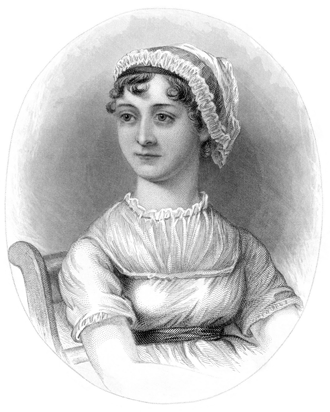
janeaustenQuite unintentionally, 2015 has turned into the year of Jane Austen for me… and that’s a very, very good thing!

How did it happen? Two major causes, really:

1) I happened to stumble across a promo for Alexander McCall Smith’s retelling of Emma several months ago, soon after reading (finally!) The No. 1 Ladies’ Detective Agency. I’d been planning on checking out more of AMS’s books, and thought this sounded like great fun.

2) I’ve gotten hooked on audiobooks in the last year or so. I listen to them during my daily commute, and I’ve become really addicted to doing my weekend walks with a bookish soundtrack.

So, I thought I’d like to read the new Emma, but realized that I should probably re-read the original first, since it’s been many a year since I first read it. Audiobook to the rescue! I listened to Emma as narrated by Juliet Stevenson, and thought it was simply brilliant! Juliet Stevenson is a remarkable audiobook reader, giving such personality to all the characters. And the story itself! It just cracked me up. I hadn’t remembered Emma as being quite so funny, but trust me on this one — given the times I started laughing in public while plugged into my IPod listening to this book (and the number of bizarre looks I got), it’s definitely got some hilarious moments.

Moving on, I decided that I needed to know more about The Austen Project, which was conceived several years ago as a major publishing to-do. The concept? Invite contemporary fiction writers to re-write Jane Austen’s classic novels, setting them in modern times and giving them a new spin while remaining faithful to the original. I suppose the point is to show the timelessness of Austen’s works.

To date, there have been three books published as part of The Austen Project:

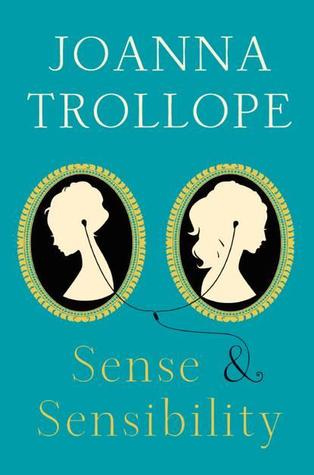
  • Sense and Sensibility by Joanna Trollope
  • Northanger Abbey by Val McDermid
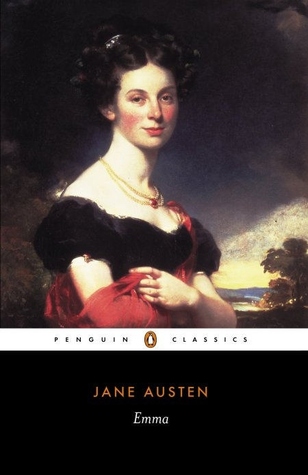
  • Emma by Alexander McCall Smith

Sense & Sensibility_TAPNorthanger Abbey 2Adobe Photoshop PDF

Supposedly, the next book to be issued as part of the project is Pride and Prejudice, written by Curtis Sittenfeld, although I haven’t found a firm release date yet. Apparently, Persuasion and Mansfield Park have yet to be assigned.

(And also, apparently, The Austen Project has not been all that enthusiastically received, so perhaps the remaining books are being “shelved”, so to speak? I haven’t found anything to indicate future plans, one way or another.)

For me and my year of Austen, I haven’t quite made it to any of the re-tellings yet, although I now have the three books ready and waiting — and once I read them, I’ll be sure to share my thoughts. Meanwhile, having the modern versions on hand has definitely piqued my interest in re-reads. Hence, the audiobooks.

So far, I’ve listened to Emma and Northanger Abbey, and am now in the early chapters of Sense and Sensibility. The audiobooks are awesome, yo. I’m so completely enraptured by Juliet Stevenson’s ability to give voice to each character in a way that’s fresh and easy to identify, plus the way she infuses the lines with such snark and humor is just amazing.

Once I finish with the Austen Project books, I do believe I’ll keep going with my Austen mania. I’ve been wanting to revisit Persuasion for quite some time now. And to be honest, while I’m almost completely sure that I’ve read all of Jane Austen’s books, some niggling doubt is telling me that maybe I only think I’ve read Mansfield Park. I do have a battered old paperback on my shelf, and it certainly looks read. But then again, I know that I’ve seen the movie… no, no, I’m really 99% sure that I’ve read the book… I think.

In any case, I’ll be continuing on with Austen audiobooks all year. And meanwhile, I haven’t even scratched the surface of my Austen movie collection! First up, I think, will be Emma and then Clueless for contrast. (And – PS – it’s the 20th anniversary of the release of Clueless! Feeling old yet?)

Then onward… so many options!

And after all, there’s really never a bad time to re-watch Bride and Prejudice.

Thursday Quotables: Emma by Jane Austen

quotation-marks4

Welcome back to Thursday Quotables! This weekly feature is the place to highlight a great quote, line, or passage discovered during your reading each week.  Whether it’s something funny, startling, gut-wrenching, or just really beautifully written, Thursday Quotables is where my favorite lines of the week will be, and you’re invited to join in!

NEW! Thursday Quotables is now using a Linky tool! Be sure to add your link if you have a Thursday Quotables post to share.

emma

Emma by Jane Austen
(published 1815 )

It’s been many years since I first read Emma — and listening to the audiobook is just cracking me up. Here are just a few random moments that made me giggle:

On single women, according to Emma herself:

“Never mind, Harriet, I shall not be a poor old maid; and it is poverty only which makes celibacy contemptible to a generous public! A single woman, with a very narrow income, must be a ridiculous, disagreeable old maid! the proper sport of boys and girls, but a single woman, of good fortune, is always respectable, and may be as sensible and pleasant as any body else.”

On living dangerously, according to Mr. Woodhouse:

“Open the windows! – but surely, Mr. Churchill, nobody would think of opening the windows at Randalls. Nobody could be so imprudent! I never heard of such a thing. Dancing with open windows! – I am sure, neither your father nor Mrs. Weston (poor Miss Taylor that was) would suffer it.”

On fashion, according to Mrs. Elton:

“I have the greatest dislike to the idea of being over-trimmed — quite a horror of finery. I must put on a few ornaments now, because it is expected of me. A bride, you know, must appear like a bride…”

And a final health caution from Mr. Woodhouse:

“I am very sorry to hear, Miss Fairfax, of your being out this morning in the rain. Young ladies should take care of themselves. Young ladies are delicate plants. They should take care of their health and their complexion. My dear, did you change your stockings?”

What lines made you laugh, cry, or gasp this week? Do tell!

If you’d like to participate in Thursday Quotables, it’s really simple:

  • Write a Thursday Quotables post on your blog. Try to pick something from whatever you’re reading now. And please be sure to include a link back to Bookshelf Fantasies in your post (http://www.bookshelffantasies.com), if you’d be so kind!
  • Click on the linky button (look for the cute froggie face) below to add your link.
  • After you link up, I’d love it if you’d leave a comment about my quote for this week.
  • Be sure to visit other linked blogs to view their Thursday Quotables, and have fun!

Flashback Friday: Persuasion

ffbutton2Flashback Friday is a weekly tradition started here at Bookshelf Fantasies, focusing on showing some love for the older books in our lives and on our shelves. If you’d like to join in, just pick a book published at least five years ago, post your Flashback Friday pick on your blog, and let us all know about that special book from your reading past and why it matters to you. Don’t forget to link up!

My Flashback Friday pick this week:

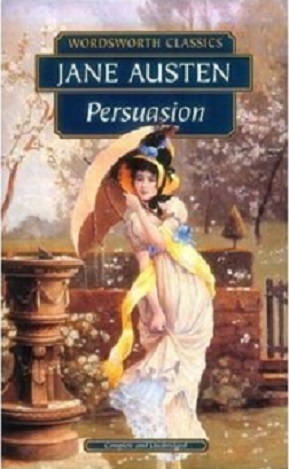
Persuasion

Persuasion by Jane Austen
(published 1817)

Going way, way back for this week’s Flashback Friday!

Synopsis (Goodreads):

Twenty-seven-year old Anne Elliot is Austen’s most adult heroine. Eight years before the story proper begins, she is happily betrothed to a naval officer, Frederick Wentworth, but she precipitously breaks off the engagement when persuaded by her friend Lady Russell that such a match is unworthy. The breakup produces in Anne a deep and long-lasting regret. When later Wentworth returns from sea a rich and successful captain, he finds Anne’s family on the brink of financial ruin and his own sister a tenant in Kellynch Hall, the Elliot estate. All the tension of the novel revolves around one question: Will Anne and Wentworth be reunited in their love?

When I talk to people who proclaim themselves Austen-ites, Persuasion is one of the books most likely to be mentioned in the same breath as “oh, I always meant to get around to that one!” I’m not sure why more people haven’t read Persuasion, but I’ve always loved it.

Anne Elliot is a lovely main character. She’s flawed and full of regrets, but also deeply thoughtful and with an underlying passion that years of sadness haven’t quite erased. She’s often the sole reasonable person amidst a sea of social-minded snobs, and the Bath society seen here is extremely silly by today’s standards.

Persuasion is not a flashy book, but has a strength and dignity  — plus a really terrific love story! — that just very much appeal to me. And I’m due for a re-read, I’m now convinced!

What flashback book is on your mind this week?

Note from your friendly Bookshelf Fantasies host: To join in the Flashback Friday fun:

  • Grab the Flashback Friday button
  • Post your own Flashback Friday entry on your blog (and mention Bookshelf Fantasies as the host of the meme, if you please!)
  • Leave your link in the comments below
  • Check out other FF posts… and discover some terrific hidden gems to add to your TBR piles!

♥♥♥♥♥♥♥♥

Do you host a book blog meme? Do you participate in a meme that you really, really love? I’m building a Book Blog Meme Directory, and need your help! If you know of a great meme to include — or if you host one yourself — please drop me a note on my Contact page and I’ll be sure to add your info!

Book Review: Dear Mr. Knightley by Katherine Reay

Book Review: Dear Mr. Knightley by Katherine Reay

Dear Mr. KnightleyThis debut novel combines the wit of Austen with the gritty pluck of Bronte, but with a modern-day setting that adds several unexpected twists and a deeper level of truth and examination than I’d expected.

In Dear Mr. Knightley, main character Samantha (who goes by Sam) is a college grad on the verge of aging out of the support systems available to former foster kids. With the prodding of her mentor, Father John, who runs the group home in which she lives, Sam applies for a grant from an anonymous foundation. This grant will enable her to enroll in graduate school, and will cover all expenses while she pursues her degree. The only catch is that Sam must write a series of letters to her benefactor, who uses the pseudonym George Knightley, knowing it will appeal to Sam’s inner Austen-phile and keep his true identity a secret.

Sam’s life has not been easy, and she is plagued by self-doubt. She’s spent all her life feeling unloved and unwanted, and has hidden herself away in the pages of her beloved books. When anxious or faced with a need to connect with people, she hides behind her characters, quoting Lizzy Bennet or Emma or even Edmond Dantes — which lets her keep her walls intact, and ensures that anyone who tries to reach out to her will run in the opposite direction.

But once Sam receives her grant and starts her graduate program in journalism, she realizes that her walls are crumbling — and that she needs to let them. She can’t succeed as a writer if she keeps her heart hidden away; she can’t connect as a friend if she refuses to let anyone know her. As Sam narrates her tale via letters to Mr. Knightley, we witness her fears, her doubts, her pain, and her glimmers of joy. We delight with her when she sees new possibilities, but we can’t help but want to cry every time poor wounded Sam seems to be making another counter-productive decision based on insecurity and lack of confidence.

I enjoyed the writing style here very much. The entire book is told via Sam’s letters to Mr. Knightley, so it’s all first-person and very immediate. She writes from her heart to her anonymous correspondent, allowing herself the freedom in her letters to reveal herself in all the ways she’d never do with a real person. While occasionally seeming more naive than seems reasonable for a 23-year-old, I could suspend my disbelief based on the facts of Sam’s life. If she seems to have odd ideas about friendship, connection, and relationships, it’s understandable, given that she bounced from foster family to foster family, experienced disastrous encounters with her real parents, and finally ended up at the group home for the remainder of her teen and early adult years.

If you happened to read my blog yesterday (here), then you may have seen my mini-freak-out about finding out that a book I was reading was listed on Amazon as “Christian fiction”. This is the book that triggered all of that. And it’s puzzling to me. Had I not come across that designation on Amazon, I don’t think it would have occurred to me to think of this book as anything other than contemporary fiction. Yes, there were passages, especially toward the end, where Sam is encouraged toward “surrender” and finding joy in faith. But it’s not heavy-handed, I didn’t feel like the book itself was proselytizing in any way, and the references to characters’ faith and beliefs felt organic and reasonable within the context of the story. What I had feared might be a problem for me really wasn’t. So, after much ado about nothing, all’s well that ends well! (Sorry… )

The book is a quick read, but it’s not fluffy. It does seem that things always work out for Sam in a big way. Too sugar-coated, perhaps? Yes, it can seem like a fairy tale at points, the way the grants, the internships, the supportive people always come through just when needed. But that is balanced, for the most part, by a refusal to gloss over the harder parts of Sam’s life, so truly, even if it seems unlikely that things could work out so well in real life, there’s no doubt that Sam has earned all that comes her way by the end.

I mentioned earlier that I liked the writing style — and I really did, except for a certain phrasing oddity that kept jumping out at me: Whenever characters use the work “couple”, it’s phrased as “a couple papers”, “a couple internships”, “a couple days ago”. What happened to the “of”??? Is this a regional quirk, perhaps? I have no idea, but it really bugged me. This is a minor quibble, though; for the most part, I enjoyed Sam’s voice very much. Some epistolary novels seem forced, using the letter format as a gimmick that doesn’t always allow for fully fleshed-out storytelling. This is not the case in Dear Mr. Knightley: Through Sam’s letters, we get insight into her heart and mind in a way that might not have worked otherwise, and because we know that Sam herself is a skilled writer, it makes sense that her letters are so articulate and thoughtful.

If you’ve read the 1912 novel Daddy-Long-Legs by Jean Webster, then the secrets and resolution of Dear Mr. Knightley won’t be a surprise. But even knowing how it would work out, I still enjoyed the author’s skill in weaving the backbone of the older book into this fresh novel, finding a way to take a set of circumstances that might seem old-fashioned and apply them to a modern setting in a way that’s believable.

I’m glad that I didn’t let the genre issue keep me from exploring and enjoying this touching, delightful book. Skillfully weaving together threads of classic literature into a modern-day setting that rings true, Dear Mr. Knightley is a lovely look at the journey of a special young woman. I’m happy to have read it, and I’m happy to recommend it.

_________________________________________

The details:

Title: Dear Mr. Knightley
Author: Katherine Reay
Publisher: Thomas Nelson
Publication date: 2013
Genre: Contemporary fiction
Source: Review copy courtesy of Thomas Nelson via NetGalley