My Classics Club Spin book for fall 2024 will be…

Earlier in the week, I shared a post with my list of books for the newest Classics Club Spin challenge (see it here), and a few days ago, this spin’s number was announced. (For those keeping track, it’s CC Spin #39, and for me personally, #11!)

Hosted by The Classics Club blog, the Classics Club Spin is a reading adventure where participants come up with a list of classics they’d like to read, number them 1 to 20, and then read the book that corresponds to the “spin” number that comes up.

For CCSpin #39, the lucky number is:

And that means I’ll be reading:
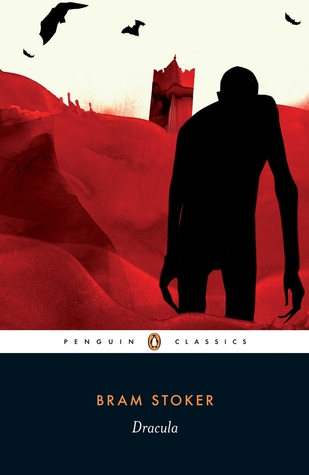
An Old-Fashioned Girl by Louisa May Alcott (published 1870)

Synopsis:

“An Old-Fashioned Girl” is a novel written by Louisa May Alcott, first published in 1870. It is a coming-of-age story that follows the life of Polly Milton, a young girl from the country who visits her friend Fanny Shaw in the city. The story explores themes of friendship, family, love, and the societal expectations of women during the late 19th century.

Polly is an old-fashioned girl, meaning that she holds onto traditional values and beliefs despite the changing times. She is kind, honest, and hardworking, and her positive traits are in stark contrast to the selfish and superficial lifestyle of the city people. Throughout her visit, Polly faces challenges as she tries to navigate the complex social dynamics of the city and maintain her own beliefs.

One of the central themes of the novel is the importance of friendship and family. Polly forms strong bonds with Fanny’s family and friends, and she uses her down-to-earth nature to bring happiness and positivity to those around her. She also learns the value of forgiveness and understanding, and she uses these lessons to help reconcile relationships that have gone awry.

The novel also explores the societal expectations placed on women during this time period. Polly challenges these expectations by staying true to herself and her beliefs, despite the pressure to conform to the norms of society. This theme highlights the importance of individuality and self-expression, and it encourages women to embrace their own unique qualities.

Overall, “An Old-Fashioned Girl” is a charming and uplifting story that emphasizes the value of friendship, family, and staying true to one’s self. The novel’s portrayal of Polly’s experiences and growth make it a timeless classic that continues to inspire and entertain readers today.

What a great result! I would have been happy with any of the books on my spin list, but I’m particularly pleased to finally get the push I needed to read more Louisa May Alcott.

In my youth, I read the Little Women books, plus a few others, but An Old-Fashioned Girl is one that I never picked up — maybe my local library just didn’t have a copy!

There are several other books by this author that I’d like to reread (Rose in Bloom, Eight Cousins, Jack and Jill). For now, I’m looking forward to getting started with my new spin book!

What do you think of my book this time around?

Here’s my list of 20 titles for Classics Club Spin #39:

  1. Frenchman’s Creek by Daphne DuMaurier
  2. The Ghost and Mrs. Muir by R. A. Dick
  3. An Old-Fashioned Girl by Louisa May Alcott
  4. Dracula by Bram Stoker
  5. Peony by Pearl Buck
  6. White Fang by Jack London
  7. Black Beauty by Anna Sewell
  8. The Tenant of Wildfell Hall by Anne Bronte
  9. The Mysterious Affair at Styles by Agatha Christie
  10. I Capture the Castle by Dodie Smith
  11. My Family and Other Animals by  Gerald Durrell
  12. In Cold Blood by Truman Capote
  13. Tevye the Dairyman and Motl the Cantor’s Son by Sholom Aleichem
  14. The Painted Veil by W. Somerset Maugham
  15. Frankenstein by Mary Shelley
  16. The Grapes of Wrath by John Steinbeck
  17. East of Eden by John Steinbeck
  18. The Mayor of Casterbridge by Thomas Hardy
  19. The Left Hand of Darkness by Ursula K. Le Guin
  20. My Brilliant Career by Miles Franklin

My previous Classics Club Spin books:
Are you participating in this Classics Club Spin? If so, what book will you be reading?

Getting ready for the Fall 2024 Classics Club Spin!

It’s time for another Classics Club Spin!

Hosted by The Classics Club blog, the Classics Club Spin is a reading adventure where participants come up with a list of classics they’d like to read, number them 1 to 20, and then read the book that corresponds to the “spin” number that comes up. This will be my 11th time participating — although for the Classics Club, it’s spin #39!

Here are the dates and guidelines from the host blog:

On Sunday 20th October 2024 we’ll post a number from 1 through 20. The challenge is to read whatever book falls under that number on your Spin List by the 18th December, 2024.

We’ll check in here on the 18th December to see who made it the whole way and finished their spin book!

What’s Next?

  • Go to your blog.
  • Pick twenty books that you’ve got left to read from your Classics Club List.
  • Post that list, numbered 1-20, on your blog before Sunday 20th October 2024.
  • We’ll announce a number from 1-20. 
  • Read that book by 18th December.

It’s always exciting when a new spin is announced! I’ve updated my list, and can’t wait to see where the spin lands.

Here we go!

Here’s my list of 20 classics for the next Classics Club Spin:

  1. Frenchman’s Creek by Daphne DuMaurier
  2. The Ghost and Mrs. Muir by R. A. Dick
  3. An Old-Fashioned Girl by Louisa May Alcott
  4. Dracula by Bram Stoker
  5. Peony by Pearl Buck
  6. White Fang by Jack London
  7. Black Beauty by Anna Sewell
  8. The Tenant of Wildfell Hall by Anne Bronte
  9. The Mysterious Affair at Styles by Agatha Christie
  10. I Capture the Castle by Dodie Smith
  11. My Family and Other Animals by  Gerald Durrell
  12. In Cold Blood by Truman Capote
  13. Tevye the Dairyman and Motl the Cantor’s Son by Sholom Aleichem
  14. The Painted Veil by W. Somerset Maugham
  15. Frankenstein by Mary Shelley
  16. The Grapes of Wrath by John Steinbeck
  17. East of Eden by John Steinbeck
  18. The Mayor of Casterbridge by Thomas Hardy
  19. The Left Hand of Darkness by Ursula K. Le Guin
  20. My Brilliant Career by Miles Franklin

Wish me luck! I’ll be back on October 20th to reveal my spin result!

My previous Classics Club spins:

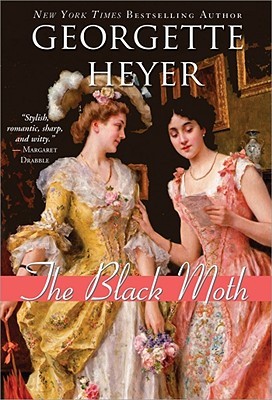
Spring 2022 (CCSpin29): The Black Moth by Georgette Heyer
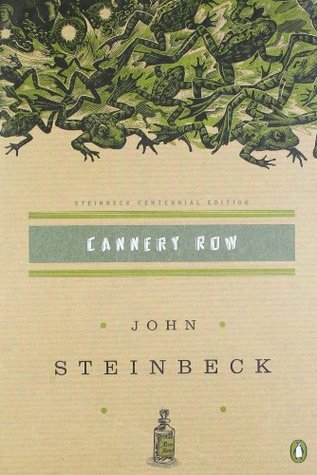
Summer 2022 (CCSpin30): Cannery Row by John Steinbeck
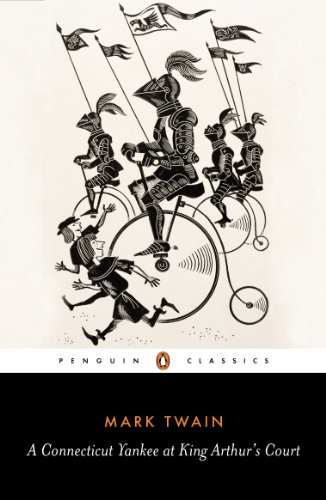
Fall 2022 (CCSpin31): A Connecticut Yankee in King Arthur’s Court by Mark Twain
Winter 2022/2023 (CCSpin32): O Pioneers! by Willa Cather
Spring 2023 (CCSpin33): Picnic at Hanging Rock by Joan Lindsay
Summer 2023 (CCSpin34): Herland by Charlotte Perkins Gilman
Fall 2023 (CCSpin35): Cranford by Elizabeth Gaskell
Winter 2024 (CCSpin36): A Night to Remember by Walter Lord
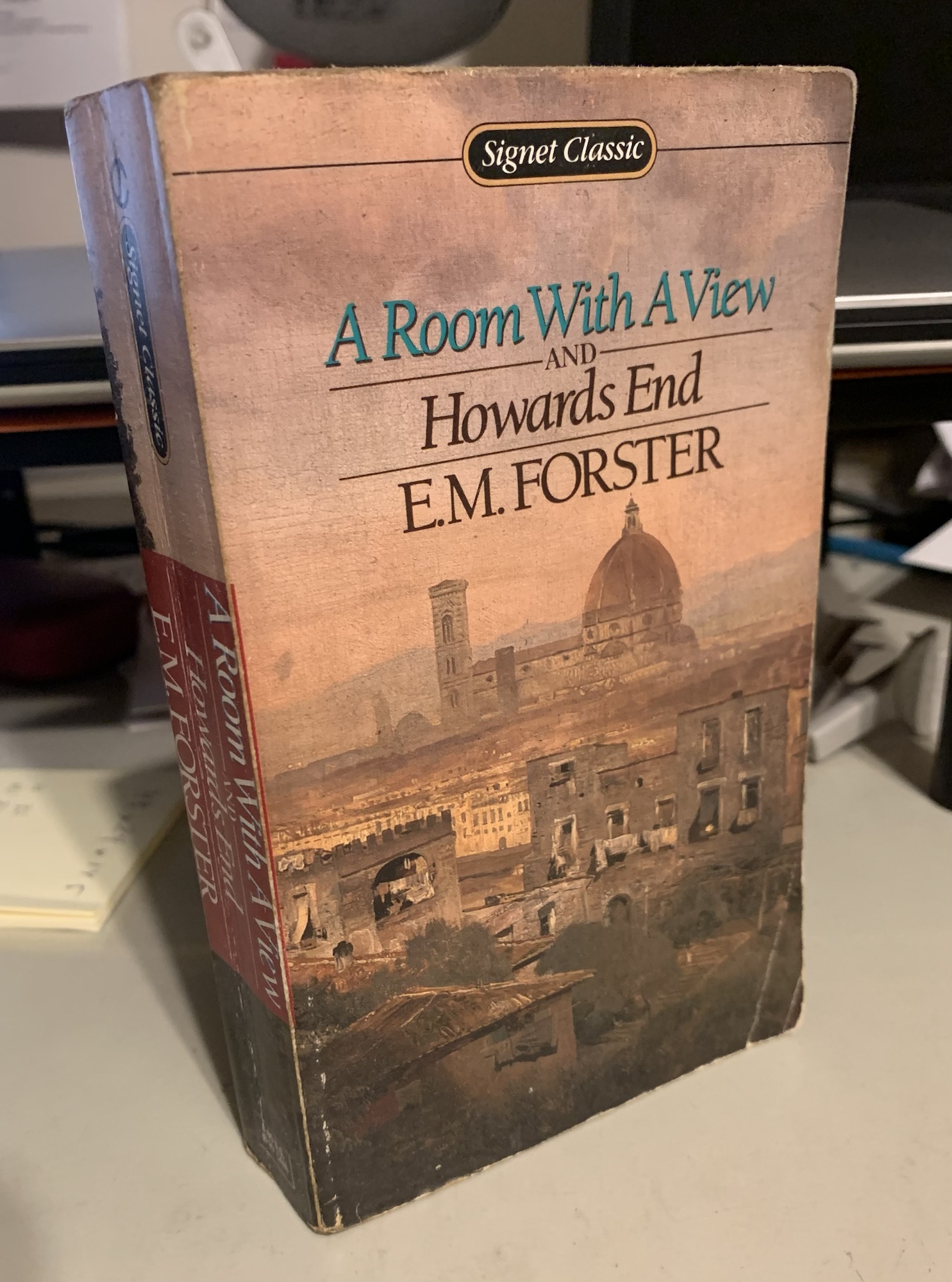
Spring 2024 (CCSpin37): Howards End by E. M. Forster
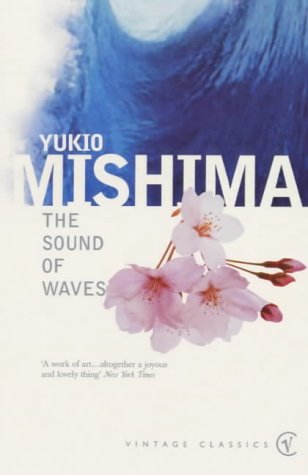
Summer 2024 (CCSpin38): The Sound of Waves by Yukio Mishima

Book Review: The Sound of Waves by Yukio Mishima (Classics Club Spin #38)

Title: The Sound of Waves
Author: Yukio Mishima
Publication date: 1954
Length: 183 pages
Rating:

Rating: 5 out of 5.

Set in a remote fishing village in Japan, The Sound of Waves is a timeless story of first love. It tells of Shinji, a young fisherman and Hatsue, the beautiful daughter of the wealthiest man in the village. Shinji is entranced at the sight of Hatsue in the twilight on the beach and they fall in love. When the villagers’ gossip threatens to divide them, Shinji must risk his life to prove his worth.

I’ve had The Sound of Waves on my Classics Club spin list since I first started participating a couple of years ago, and I was so happy that its number finally came up!

Here’s why: I first read The Sound of Waves eons ago in a World Lit class in high school, and I remember loving it at the time. The main thing I remembered is that the class reading list seemed to consist of tragedy after tragedy. The whole time we were reading The Sound of Waves, I was holding my breath waiting for something terrible to happen… and it never did. Instead, it was a gentle, lovely story about first love, and it even had a happy ending.

I’ve always thought back on that book with warm feelings, and have wondered whether I’d still appreciate it all these years later. I’ve been wanting to reread it, and just needed a little push to do so… which the Classics Club spin provided.

In The Sound of Waves, the story centers on a small island called Uta-Jima, a fishing village that’s self-contained and bound by traditions, seemingly set apart from the larger world. Although it’s set in the post-war years (and was originally published in 1954), it’s easy to forget and imagine that the story is set much, much earlier. Every so often, reminders of the outside world and its modernity appear, and often feel startling. For the daily lives of the villagers, governed by the tides and the fishing seasons, we can easily imagine that nothing has change for centuries.

Shinji, the elder of two boys, is not yet twenty years old, but is responsible for his mother and brother, ever since his father’s death during the war. Shinji is large and strong, a devoted son, and earnest in his commitment to his family, his employer, the gods, and the people of the island. He’s struck by immediate love when he meets Hatsue, daughter of the wealthiest man on the island. Hatsue has lived away from the island for many years, but when she returns, her beauty and her father’s position make her the most sought after girl, especially since her father has declared that he intends to adopt her potential husband into his family.

Shinji and Hatsue’s love is sincere and pure, but when they become fodder for island gossip, Hatsue’s father bans them from seeing one another and forbids Hatsue to even leave the house. But despite the challenges and the odds stacked against them, they remain true to one another… and yes, there’s a happy ending.

The Sound of Waves is quite lovely, especially in its depiction of the natural beauty of the island and the seas. The author paints pictures with his words, showing us the changing seasons, the trees and plants and fish, the wave patterns, the steep hills and beautiful views that make up the setting.

From time to time the dying fire crackled a little. They heard this sound and the whistling of the storm as it swept past the high windows, all mixed with the beating of their hearts. To Shinji it seemed as though this unceasing feeling of intoxication, and the confused booming of the sea outside, and the noise of the storm among the treetops were all beating with nature’s violent rhythm. And as part of his emotion there was the feeling, forever and ever, of pure and holy happiness.

He also brings to life the villagers themselves, through simple dialogue, descriptions of routines and interactions, and quick sketches that show the inner nature of the people we meet. I particularly enjoyed scenes of the diving women, although the scenes on the fishing boats are also action-packed and compelling.

My one complaint, which is probably irrelevant in the grand scheme of things, is that there are a lot of descriptions of breasts! So many varieties, so many details… I could have done without all this, but that’s really my only quibble.

Other than that… The Sound of Waves is a beautifully written novel, and I’m happy that rereading this book proved to me that it is just as good as I’d remembered!

Once again, a very good outcome from a Classics Club spin.

Book Review: Howards End by E. M. Forster (Classics Club Spin #37)

Title: Howards End
Author: E. M. Forster
Publication date: 1910
Length: 246 pages
Rating:

Rating: 5 out of 5.

‘Only connect…’

 Considered by many to be E. M. Forster’s greatest novel, Howards End is a beautifully subtle tale of two very different families brought together by an unusual event. The Schlegels are intellectuals, devotees of art and literature. The Wilcoxes are practical and materialistic, leading lives of “telegrams and anger.” When the elder Mrs. Wilcox dies and her family discovers she has left their country home—Howards End—to one of the Schlegel sisters, a crisis between the two families is precipitated that takes years to resolve. Written in 1910, Howards End is a symbolic exploration of the social, economic, and intellectual forces at work in England in the years preceding World War I, a time when vast social changes were occurring. In the Schlegels and the Wilcoxes, Forster perfectly embodies the competing idealism and materialism of the upper classes, while the conflict over the ownership of Howards End represents the struggle for possession of the country’s future. As critic Lionel Trilling once noted, the novel asks, “Who shall inherit England?”

Forster refuses to take sides in this conflict. Instead he poses one of the book’s central questions: In a changing modern society, what should be the relation between the inner and outer life, between the world of the intellect and the world of business? Can they ever, as Forster urges, “only connect”?

To be honest, I don’t feel especially qualified to “review” Howards End. It’s a beautifully written, thought-provoking, even funny book, and I loved it, really and truly. But I’m no literary expert — not even an English major!! — so I’ll skip any attempt at deep analysis.

Instead, I’ll just mention what I especially liked:

  • The contrast between the Wilcox and Schlegel families. The Wilcoxes are wealthy thanks to the nonstop busy-ness of business. Life is practical, efficient, and sensible. The Schlegels, on the other hand, are dreamers and art-lovers, especially sisters Margaret and Helen. Left comfortably wealthy after the death of their parents, they don’t have to worry about work or practicality. They enjoy discussions of the more esoteric elements of life.
  • Excellent dialogue: Whether it’s scenes of Margaret and Helen engaged in yet another argument, or pointed examples of how obtuse and stubborn the Wilcox eldest son Charles can be, the bickering and disagreements are quite entertaining.
  • Examinations of class, without preachiness: We also meet clerk Leonard Bast, who is desperate to claw his way out of poverty despite his low beginnings and extremely low-class wife. Leonard’s aspirations make him susceptible to the influence of the Schlegels, whose attempt at do-gooderism instead dooms poor Leonard to an even worse situation than where they found him.
  • Lush descriptions of places, especially the beauty of Howards End itself.
  • A wide cast of characters that provides peeks at so many aspects of the society of the time.

A few selections to enjoy:

We are not concerned with the very poor. They are unthinkable and only to be approached by the statistician or the poet. This story deals with gentlefolk, or with those who are obliged to pretend that they are gentlefolk.

A funeral is not death, any more than baptism is birth or marriage union. All three are the clumsy devices, coming now too late, now too early, by which Society would register the quick motions of man.

If a man cannot lead up to passion he can at all events lead down from it […]

The interlude closes. It has taken place in Charles’s garden at Hilton. He and Dolly are sitting in deckchairs, and their motor is regarding them placidly from its garage across the lawn. A short-frocked edition of Charles also regards them placidly; a perambulator edition is squeaking; a third edition is expected shortly. Nature is turning out Wilcoxes in this peaceful abode, so that they may inherit the earth.

I so enjoyed the writing and the story, and heartily recommend Howards End. I’d love to read it again with a book group at some point — there’s so much in it that I’d love to pull apart and really examine at leisure.

As is, I read this book via Serial Reader, intending to stick to one little installment per day (out of 40 installments in total). Instead, by about the halfway point, I was too impatient to take it slowly, and read straight through to the end.

All in all, a very happy experience with this round of the Classics Club Spin!

Several years ago, I watched the excellent four-part adaptation of Howards End, starring Hayley Atwell and Matthew Macfadyen. Now that I’ve read the book, I’d love to watch it again!

My Classics Club Spin book for spring 2024 will be…

Earlier in the week, I shared a post with my list of books for the newest Classics Club Spin challenge (see it here), and a few days ago, this spin’s number was announced. (For those keeping track, it’s CC Spin #37, and for me personally, #9!)

Hosted by The Classics Club blog, the Classics Club Spin is a reading adventure where participants come up with a list of classics they’d like to read, number them 1 to 20, and then read the book that corresponds to the “spin” number that comes up.

For CCSpin #37, the lucky number is:

And that means I’ll be reading:

Howards End by E. M. Forster (published 1910)

Synopsis:

‘Only connect…’

 Considered by many to be E. M. Forster’s greatest novel, Howards End is a beautifully subtle tale of two very different families brought together by an unusual event. The Schlegels are intellectuals, devotees of art and literature. The Wilcoxes are practical and materialistic, leading lives of “telegrams and anger.” When the elder Mrs. Wilcox dies and her family discovers she has left their country home—Howards End—to one of the Schlegel sisters, a crisis between the two families is precipitated that takes years to resolve. Written in 1910, Howards End is a symbolic exploration of the social, economic, and intellectual forces at work in England in the years preceding World War I, a time when vast social changes were occurring. In the Schlegels and the Wilcoxes, Forster perfectly embodies the competing idealism and materialism of the upper classes, while the conflict over the ownership of Howards End represents the struggle for possession of the country’s future. As critic Lionel Trilling once noted, the novel asks, “Who shall inherit England?”

Forster refuses to take sides in this conflict. Instead he poses one of the book’s central questions: In a changing modern society, what should be the relation between the inner and outer life, between the world of the intellect and the world of business? Can they ever, as Forster urges, “only connect”?

I think I was hoping for one of the lighter books on my list, but I’m still pleased with this spin result. Howards End has been on my to-read list for a very long time — in fact, I have a paperback 2-in-1 edition bundled with A Room with a View (which I’ve read), and I think I must have picked it up over 20 years ago!

I also really enjoyed the TV mini-series (2017) with Hayley Atwell and Matthew Macfadyen, and that heightened my interest in eventually reading the book. Well, the time has come! I have a copy in my Kindle library (approx. 300 pages), and the book is also available via Serial Reader (40 issues), so either way, I shouldn’t have a problem finishing by the spin end date, June 2nd.

What do you think of my newest spin result?

Here’s my list of 20 titles for Classics Club Spin #37:

  1. Frenchman’s Creek by Daphne DuMaurier
  2. The Ghost and Mrs. Muir by R. A. Dick
  3. An Old-Fashioned Girl by Louisa May Alcott
  4. Dracula by Bram Stoker
  5. Peony by Pearl Buck
  6. White Fang by Jack London
  7. Black Beauty by Anna Sewell
  8. Howards End by E. M. Forster
  9. The Mysterious Affair at Styles by Agatha Christie
  10. I Capture the Castle by Dodie Smith
  11. The Hobbit by J. R. R. Tolkien
  12. In Cold Blood by Truman Capote
  13. Tevye the Dairyman and Motl the Cantor’s Son by Sholom Aleichem
  14. The Painted Veil by W. Somerset Maugham
  15. Frankenstein by Mary Shelley
  16. The Grapes of Wrath by John Steinbeck
  17. The Sound of Waves by Yukio Mishima
  18. The Mayor of Casterbridge by Thomas Hardy
  19. The Left Hand of Darkness by Ursula K. Le Guin
  20. My Brilliant Career by Miles Franklin

My previous Classics Club Spin books:
Are you participating in this Classics Club Spin? If so, what book will you be reading?

Getting ready for the Spring 2024 Classics Club Spin!

It’s time for another Classics Club Spin!

Hosted by The Classics Club blog, the Classics Club Spin is a reading adventure where participants come up with a list of classics they’d like to read, number them 1 to 20, and then read the book that corresponds to the “spin” number that comes up. This will be my 9th time participating — although for the Classics Club, it’s spin #37!

Here are the dates and guidelines from the host blog:

On Sunday 21st April 2024 we’ll post a number from 1 through 20. The challenge is to read whatever book falls under that number on your Spin List by the 2nd June, 2024.

We’ll check in here on Sunday the 2nd June to see who made it the whole way and finished their spin book!

What’s Next?

  • Go to your blog.
  • Pick twenty books that you’ve got left to read from your Classics Club List.
  • Post that list, numbered 1-20, on your blog before 21st April 2024.
  • We’ll announce a number from 1-20. 
  • Read that book by 2nd June.

Even though my to-read pile for the next few months is on the overwhelming side, I do love these spins and don’t want to miss out. I took the two longest books off my spin list last time around (David Copperfield and The Tenant of Wildfell Hall), and although I’m tempted to add them back, the timing just isn’t right quite yet. So, I’m sticking with the same list as from spin #36, just adding in one new book to replace the one I read.

Here we go!

Here’s my list of 20 classics for the next Classics Club Spin:

  1. Frenchman’s Creek by Daphne DuMaurier
  2. The Ghost and Mrs. Muir by R. A. Dick
  3. An Old-Fashioned Girl by Louisa May Alcott
  4. Dracula by Bram Stoker
  5. Peony by Pearl Buck
  6. White Fang by Jack London
  7. Black Beauty by Anna Sewell
  8. Howards End by E. M. Forster
  9. The Mysterious Affair at Styles by Agatha Christie
  10. I Capture the Castle by Dodie Smith
  11. The Hobbit by J. R. R. Tolkien
  12. In Cold Blood by Truman Capote
  13. Tevye the Dairyman and Motl the Cantor’s Son by Sholom Aleichem
  14. The Painted Veil by W. Somerset Maugham
  15. Frankenstein by Mary Shelley
  16. The Grapes of Wrath by John Steinbeck
  17. The Sound of Waves by Yukio Mishima
  18. The Mayor of Casterbridge by Thomas Hardy
  19. The Left Hand of Darkness by Ursula K. Le Guin
  20. My Brilliant Career by Miles Franklin

Wish me luck! I’ll be back on April 21st to reveal my spin result!

My previous Classics Club spins:

Spring 2022 (CCSpin29): The Black Moth by Georgette Heyer
Summer 2022 (CCSpin30): Cannery Row by John Steinbeck
Fall 2022 (CCSpin31): A Connecticut Yankee in King Arthur’s Court by Mark Twain
Winter 2022/2023 (CCSpin32): O Pioneers! by Willa Cather
Spring 2023 (CCSpin33): Picnic at Hanging Rock by Joan Lindsay
Summer 2023 (CCSpin34): Herland by Charlotte Perkins Gilman
Fall 2023 (CCSpin35): Cranford by Elizabeth Gaskell
Winter 2024 (CCSpin36): A Night to Remember by Walter Lord

Book Review: A Night to Remember by Walter Lord (Classics Club Spin #36)

Title: A Night to Remember
Author: Walter Lord
Publication date: 1955
Length: 182 pages
Rating:

Rating: 4.5 out of 5.

Lord’s classic bestseller, and the definitive account of the unsinkable ship’s fateful last hours

At first, no one but the lookout recognized the sound. Passengers described it as the impact of a heavy wave, a scraping noise, or the tearing of a long calico strip. In fact, it was the sound of the world’s most famous ocean liner striking an iceberg, and it served as the death knell for 1,500 souls.

In the next two hours and forty minutes, the maiden voyage of the Titanic became one of history’s worst maritime accidents. As the ship’s deck slipped closer to the icy waterline, women pleaded with their husbands to join them on lifeboats. Men changed into their evening clothes to meet death with dignity. And in steerage, hundreds fought bitterly against certain death. At 2:15 a.m. the ship’s band played “Autumn.” Five minutes later, the Titanic was gone.

Based on interviews with sixty-three survivors, Lord’s moment-by-moment account is among the finest books written about one of the twentieth century’s bleakest nights.

Walter Lord’s A Night to Remember was considered the “definitive” account of the Titanic tragedy at the time of the book’s publication in 1955. The author interviewed survivors and witnesses of the aftermath, and clearly pored painstakingly through the historical records at the time. The result is a narrative that takes readers moment by moment through the events of that “night to remember”, showing the scope of the tragedy from multiple points of view and experiences.

From our vantage point over one hundred years later, none of this is new information exactly. The sinking of the Titanic is one of the most well-known events of the 20th century, after all, and countless books have been written about it, both fiction and non-fiction. And there’s a certain movie too…

Still, reading A Night to Remember is a fascinating experience. The author meticulously follows the timeline, from hitting the iceberg to the moment the ship slid completely beneath the water, to the survivors in their lifeboats and the rescue hours later by the Carpathia. As the night’s events progress, we follow the experiences of the people who were there — the wealthy first class passengers whose names are most familiar, the passengers in steerage, and the crew — officers, bakers, even a masseuse. The author often shows different perceptions of the same event, depicting specific passengers’ descriptions of what they saw and felt.

It’s an engrossing read. At the time of impact, one crewmember was certain it was a propeller problem. A passenger noted that it felt like the ship rolled over “a thousand marbles”. Another reported that it seemed “as though somebody had drawn a giant finger along the side of the ship.” Repeatedly throughout the book, we hear the voices of the Titanic’s survivors describing what they felt in the moment and what they remember about it as they look back.

While I’ve read quite a bit about the Titanic over the years (and have more Titanic fiction yet to read on my shelves), I haven’t read such a straightforward account of aspects of the sinking. The details on who got into which lifeboats and how, and the experience of being in these boats between the sinking and the rescue are all very interesting and provide yet another view into the terrors of that night.

One of the book’s appendices is a list of the Titanic’s passengers and crew, identifying those lost and those who survived. It’s just a list… and yet, it’s one of the most powerful elements of this book. We know the numbers, but seeing the names, on page after page, makes it all so much more stark and tragic.

The storytelling approach in A Night to Remember is a no-nonsense narrative. The writing itself isn’t fancy — the author wisely keeps the focus on the people and events, and doesn’t embellish or speculate beyond what the witnesses themselves may have wondered or assumed. There are people highlighted in this book whom I hadn’t heard of before, and it was lovely to get to appreciate the small and large acts of kindness and heroism that were new to me.

I’m very glad to have finally read this book, which I’d had my eye on for quite a while. As I’ve said, there’s no lack of written material about the Titanic, but A Night to Remember really does feel like a classic, stand-out account. Highly recommended.

Walter Lord wrote a follow-up book decades later, after Robert Ballard’s discovery of the wreck of the Titanic. The Night Lives On was published in 1986.

In this New York Times bestseller, the author of A Night to Remember and The Miracle of Dunkirk revisits the Titanic disaster.

Walter Lord’s A Night to Remember was a landmark work that recounted the harrowing events of April 14, 1912, when the British ocean liner RMS Titanic went down in the North Atlantic Ocean, a book that inspired a classic movie of the same name. In The Night Lives On, Lord takes the exploration further, revealing information about the ship’s last hours that emerged in the decades that followed, and separating myths from facts.

Was the ship really christened before setting sail on its maiden voyage? What song did the band play as water spilled over the bow? How did the ship’s wireless operators fail so badly, and why did the nearby Californian, just ten miles away when the Titanic struck the iceberg, not come to the rescue? Lord answers these questions and more, in a gripping investigation of the night when approximately 1,500 victims were lost to the sea.

I do intend to read this book as well, and will likely go back to my Titanic fiction shelf in the near future.

My Classics Club Spin book for winter 2024 will be…

Earlier in the week, I shared a post with my list of books for the newest Classics Club Spin challenge (see it here), and a few days ago, this spin’s number was announced. (For those keeping track, it’s CC Spin #36, and for me personally, #8!)

Hosted by The Classics Club blog, the Classics Club Spin is a reading adventure where participants come up with a list of classics they’d like to read, number them 1 to 20, and then read the book that corresponds to the “spin” number that comes up.

For CCSpin #36, the lucky number is:

And that means I’ll be reading:

A Night to Remember by Walter Lord (published 1955)

Synopsis:

Lord’s classic bestseller, and the definitive account of the unsinkable ship’s fateful last hours

At first, no one but the lookout recognized the sound. Passengers described it as the impact of a heavy wave, a scraping noise, or the tearing of a long calico strip. In fact, it was the sound of the world’s most famous ocean liner striking an iceberg, and it served as the death knell for 1,500 souls.

In the next two hours and forty minutes, the maiden voyage of the Titanic became one of history’s worst maritime accidents. As the ship’s deck slipped closer to the icy waterline, women pleaded with their husbands to join them on lifeboats. Men changed into their evening clothes to meet death with dignity. And in steerage, hundreds fought bitterly against certain death. At 2:15 a.m. the ship’s band played “Autumn.” Five minutes later, the Titanic was gone.

Based on interviews with sixty-three survivors, Lord’s moment-by-moment account is among the finest books written about one of the twentieth century’s bleakest nights.

I am delighted with this spin result! I’ve read my share of Titanic-related fiction over the years, but somehow never got around to this non-fiction book, which is considered (as the synopsis says) the definitive account of the events of that fateful night. As a plus, A Night to Remember is one of my shorter picks this time around — 182 pages for the Kindle edition — so finishing by March 3rd should not be a problem.

What do you think of my newest spin result?

Here’s my list of 20 titles for Classics Club Spin #36:

  1. Frenchman’s Creek by Daphne DuMaurier
  2. The Ghost and Mrs. Muir by R. A. Dick
  3. An Old-Fashioned Girl by Louisa May Alcott
  4. Dracula by Bram Stoker
  5. Peony by Pearl Buck
  6. White Fang by Jack London
  7. Black Beauty by Anna Sewell
  8. Howards End by E. M. Forster
  9. The Mysterious Affair at Styles by Agatha Christie
  10. I Capture the Castle by Dodie Smith
  11. The Hobbit by J. R. R. Tolkien
  12. In Cold Blood by Truman Capote
  13. Tevye the Dairyman and Motl the Cantor’s Son by Sholom Aleichem
  14. The Painted Veil by W. Somerset Maugham
  15. Frankenstein by Mary Shelley
  16. The Grapes of Wrath by John Steinbeck
  17. The Sound of Waves by Yukio Mishima
  18. The Mayor of Casterbridge by Thomas Hardy
  19. The Left Hand of Darkness by Ursula K. Le Guin
  20. A Night to Remember by Walter Lord

My previous Classics Club Spin books:
Are you participating in this Classics Club Spin? If so, what book will you be reading?
Getting ready for the Winter 2024 Classics Club Spin!

It’s time for another Classics Club Spin!

Hosted by The Classics Club blog, the Classics Club Spin is a reading adventure where participants come up with a list of classics they’d like to read, number them 1 to 20, and then read the book that corresponds to the “spin” number that comes up. This will be my 8th time participating — although for the Classics Club, it’s spin #36!

Here are the dates and guidelines from the host blog:

On Sunday 21st January 2024 we’ll post a number from 1 through 20. The challenge is to read whatever book falls under that number on your Spin List by the 3rd March, 2024..

We’ll check in here on Sunday the 3rd March to see who made it the whole way and finished their spin book!

What’s Next?

  • Go to your blog.
  • Pick twenty books that you’ve got left to read from your Classics Club List.
  • Post that list, numbered 1-20, on your blog before 21st January 2024.
  • We’ll announce a number from 1-20. 
  • Read that book by 3rd March.

I considered not participating this time around, because I already have a pretty stuffed calendar when it comes to reading commitments between now and March. In fact, I’m still a bit on the fence… but I always enjoy these spins, so I don’t really want to sit out.

To keep myself sane, I’m swapping out the two longest books remaining (David Copperfield and The Tenant of Wildfell Hall). Yes, I do still want to read them, but I’ll add them back to my spin list later in the year when the possibility of landing on them won’t stress me out as much! For now, I’m limiting my list to books under 400 pages (and actually loading it up with even shorter books) — I just can’t see being happy with the results otherwise.

Okay, that’s it for preamble! Now for the good stuff…

Here’s my list of 20 classics for the next Classics Club Spin:

  1. Frenchman’s Creek by Daphne DuMaurier
  2. The Ghost and Mrs. Muir by R. A. Dick
  3. An Old-Fashioned Girl by Louisa May Alcott
  4. Dracula by Bram Stoker
  5. Peony by Pearl Buck
  6. White Fang by Jack London
  7. Black Beauty by Anna Sewell
  8. Howards End by E. M. Forster
  9. The Mysterious Affair at Styles by Agatha Christie
  10. I Capture the Castle by Dodie Smith
  11. The Hobbit by J. R. R. Tolkien
  12. In Cold Blood by Truman Capote
  13. Tevye the Dairyman and Motl the Cantor’s Son by Sholom Aleichem
  14. The Painted Veil by W. Somerset Maugham
  15. Frankenstein by Mary Shelley
  16. The Grapes of Wrath by John Steinbeck
  17. The Sound of Waves by Yukio Mishima
  18. The Mayor of Casterbridge by Thomas Hardy
  19. The Left Hand of Darkness by Ursula K. Le Guin
  20. A Night to Remember by Walter Lord

Wish me luck! I’ll be back on January 21st to reveal my spin result!

My previous Classics Club spins:

Spring 2022 (CCSpin29): The Black Moth by Georgette Heyer
Summer 2022 (CCSpin30): Cannery Row by John Steinbeck
Fall 2022 (CCSpin31): A Connecticut Yankee in King Arthur’s Court by Mark Twain
Winter 2022/2023 (CCSpin32): O Pioneers! by Willa Cather
Spring 2023 (CCSpin33): Picnic at Hanging Rock by Joan Lindsay
Summer 2023 (CCSpin34): Herland by Charlotte Perkins Gilman
Fall 2023 (CCSpin35): Cranford by Elizabeth Gaskell

Book Review: Cranford by Elizabeth Gaskell (Classics Club Spin #35)

Title: Cranford
Author: Elizabeth Gaskell
Publication date: 1853
Length: 145 pages
Rating:

Rating: 5 out of 5.

A sampling of synopses:

Elizabeth Gaskell’s portrait of kindness, compassion, and hope

Cranford depicts the lives and preoccupations of the inhabitants of a small village – their petty snobberies, appetite for gossip, and loyal support for each other in times of need This is a community that runs on cooperation and gossip, at the very heart of which are the daughters of the former rector: Miss Deborah Jenkyns and her sister Miss Matty, But domestic peace is constantly threatened in the form of financial disaster, imagined burglaries, tragic accidents, and the reapparance of long-lost relatives.

The women of an English country village star in this Victorian classic that inspired a BBC series, from the author of North and South.   Welcome to Cranford, where everyone knows one another and a cow wears pajamas. It’s a community built on friendship and kindness, where women hold court and most of the houses—and men—are rarely seen. Two colorful spinster sisters at the heart of Cranford, Miss Matty and Miss Deborah Jenkyns, are daughters of the former rector, and when they’re not playing cards or drinking tea, they’re feeding an endless appetite for scandal and weathering commotions to their peaceful lives, from financial troubles to thieves to an unexpected face from the past.   First published in installments in Household Words, a magazine edited by Charles Dickens, Cranford was a hit of its time and today offers modern readers a glimpse into a small English town during the mid-nineteenth century.

Cranford is a lovely snapshot of a time and place. The gentle storytelling paints a portrait of a small village dominated by the various women who rule local society. Men are largely absent or unimportant; it’s the women’s gatherings, chats, rules, and visits that create the atmosphere of this sweet read.

In the first place, Cranford is in possession of the Amazons; all the holders of houses above a certain rent are women. If a married couple come to settle in the town, somehow the gentleman disappears; he is either fairly frightened to death by being the only man in the Cranford parties, or he is accounted for by being with his regiment, his hip, or closely engaged in business all the week in the great neighbouring commercial town of Drumble, distant only twenty miles on a railroad. In short, whatever does become of the gentlemen, they are not at Cranford.

Narrated by Mary Smith, whose name we don’t actually learn until late in the book, Cranford depicts a series of events in the lives of the community. We quickly discover who sets the tone and who follows along; who is considered respectable and who is most decidedly not. Whether it’s the matter of clothing or when to burn candles, there are rules for everything, and woe to those who don’t follow the rules!

There isn’t much of a plot; rather, Cranford is a series of vignettes of the characters’ lives, covering silly events (such as a visiting magician) as well as deaths, marriages, births, and the loss of fortunes. While some characters appear to be ridiculously rule-bound, there are moments of loveliness when the various residents of Cranford come together to offer help and support, often without the recipient having any idea of how much is being done for them (so as not to damage their pride).

The writing is often quite funny:

“Mrs Forrester … sat in state, pretending not to know what cakes were sent up, though she knew, and we knew, and she knew that we knew, and we knew that she knew that we knew, she had been busy all the morning making tea-bread and sponge-cakes.”

And yet, the story includes sad moments as well — stories of lost love, estranged family members, and sudden accidents.

Overall, Cranford is a gentle read, full of humor and sharp descriptions, but it is also kind and generous, even with the more ridiculous of the characters.

I’m glad to have read this little gem. Once again, another terrific read thanks to a Classics Club Spin!