Book Review: My Brilliant Career by Miles Franklin (Classics Club Spin #42)

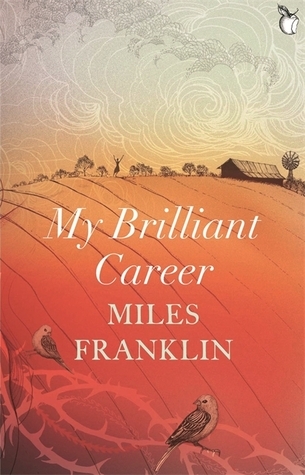
Title: My Brilliant Career
Author: Miles Franklin
Publication date: 1901
Length: 228 pages
Rating:

Rating: 4.5 out of 5.

The fierce, irreverent novel of aspiration and rebellion that is both a cornerstone of Australian literature and a feminist classic

Miles Franklin began the candid, passionate, and contrary My Brilliant Career when she was only sixteen, intending it to be the Australian answer to Jane Eyre . But the book she produced-a thinly veiled autobiographical novel about a young girl hungering for life and love in the outback-so scandalized her country upon its appearance in 1901 that she insisted it not be published again until ten years after her death.

And the synopsis from another edition:

Trapped on her parents’ farm in the hardscrabble Australian outback, sixteen-year-old Sybylla Melvyn loves the bush but not the toil it brings. She longs for refinement, and most of all she longs to achieve great things.

Suddenly she falls under the gaze of wealthy, handsome Harry Beecham and finds herself choosing between the conventional path of marriage and her plans for a ‘brilliant career’.

I don’t remember exactly how I became aware of My Brilliant Career, but once it caught my eye, I just knew I needed to add it to my Classics Club Spin list. I’m so glad that the most recent spin landed on this Australian classic!

This was life—my life—my career, my brilliant career! I was fifteen—fifteen! A few fleeting hours and I would be old as those around me.

In My Brilliant Career, teen-aged Sybylla has little to no say in her own life. One of many children, she experiences a severe downturn in her family’s fortunes when her father’s poor business decisions cause then to lose their vast land holdings and move to a smaller, less promising farm. Things go from bad to worse as their father continues to lose money and livestock, and then drink away what little money remains. When a drought leads to even more ruin, Sybylla is sent to live with her grandmother several days’ journey away, where she finally has the opportunity to explore music, books, and a more rewarding and enjoyable life.

While there, Sybylla catches the eye of a wealthy, attractive nearby landowner. We might expect a whirlwind romance to follow, but Sybylla absolutely does not fit the mold of a romantic heroine. She’s mean and dismissive, considers herself ugly, does not wish to be courted, and both yearns to awaken heightened emotions in her suitor and dreads declarations of love, repeatedly (and harshly) rejecting any talk of marriage. Sybylla doesn’t know exactly where her future lies, but she doesn’t see herself finding happiness as a respectable wife, and certainly doesn’t believe that she could make a husband happy, no matter how much he might believe he loves her.

My Brilliant Career is remarkable for its narrative tone, as well as for the unusualness of its main character and her decisions. This book is considered a groundbreaking classic of Australian fiction as well as of feminist literature. Published under a pseudonym when the author was just 21 years old, this debut novel was the first of many books and other writings to follow in the author’s career.

For more on the significance of My Brilliant Career: https://www.nma.gov.au/defining-moments/resources/my-brilliant-career

I loved the writing, especially Sybylla’s orneriness and humor. Her descriptions of her surroundings can be stunning, evoking the time and place with precision, and using Australian lingo that’s sure to both amuse and befuddle non-Australian readers.

Beyond that, Sybylla’s way of thinking is unique, and I loved the way she expresses herself:

I am afflicted with the power of thought, which is a heavy curse. The less a person thinks and inquires regarding the why and the wherefore and the justice of things, when dragging along through life, the happier it is for him, and doubly, trebly so, for her.

My mother is a good woman—a very good woman—and I am, I think, not quite all criminality, but we do not pull together. I am a piece of machinery which, not understanding, my mother winds up the wrong way, setting all the wheels of my composition going in creaking discord.

Girls! girls! Those of you who have hearts, and therefore a wish for happiness, homes, and husbands by and by, never develop a reputation of being clever. It will put you out of the matrimonial running as effectually as though it had been circulated that you had leprosy. So, if you feel that you are afflicted with more than ordinary intelligence, and especially if you are plain with it, hide your brains, cramp your mind, study to appear unintellectual—it is your only chance.

On making my first appearance before my lover, I looked quite the reverse of a heroine. My lovely hair was not conveniently escaping from the comb at the right moment to catch him hard in the eye, neither was my thrillingly low sweet voice floating out on the scented air in a manner which went straight to his heart, like the girls I had read of. On the contrary, I much resembled a female clown.

The ending of the book startled me, not because it ends with high drama, but rather because the character rejects what seems like her best prospect for change, and chooses to remain in the same family routine of working to scratch out a living on the land. I puzzled over the final chapter quite a bit and reread it several times before feeling satisfied that I got the point.

Overall, I’m really pleased that my most recent spin landed on My Brilliant Career. It makes me eager to explore more Australian fiction of the 20th century — please share any recommendations!

A reading note: I read this book via a free edition available for Kindle… and it was absolutely plagued with typos. If you’re considering reading My Brilliant Career, I’d recommend checking the library for a print edition or an e-book edition from a traditional publisher!

My Classics Club Spin book for fall 2025 will be…

Earlier in the week, I shared a post with my list of books for the newest Classics Club Spin challenge (see it here), and today, this spin’s number was announced. (For those keeping track, it’s CCSpin #42, and for me personally, #14!)

Hosted by The Classics Club blog, the Classics Club Spin is a reading adventure where participants come up with a list of classics they’d like to read, number them 1 to 20, and then read the book that corresponds to the “spin” number that comes up.

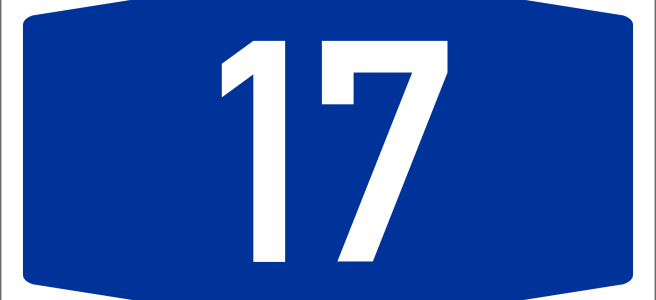
For CCSpin #42, the lucky number is:

And that means I’ll be reading:

My Brilliant Career by Miles Franklin
Published 1901

Synopsis:

The fierce, irreverent novel of aspiration and rebellion that is both a cornerstone of Australian literature and a feminist classic

Miles Franklin began the candid, passionate, and contrary My Brilliant Career when she was only sixteen, intending it to be the Australian answer to Jane Eyre . But the book she produced-a thinly veiled autobiographical novel about a young girl hungering for life and love in the outback-so scandalized her country upon its appearance in 1901 that she insisted it not be published again until ten years after her death.

And from another edition:

Trapped on her parents’ farm in the hardscrabble Australian outback, sixteen-year-old Sybylla Melvyn loves the bush but not the toil it brings. She longs for refinement, and most of all she longs to achieve great things.

Suddenly she falls under the gaze of wealthy, handsome Harry Beecham and finds herself choosing between the conventional path of marriage and her plans for a ‘brilliant career’.

My Brilliant Career has been on my to-read list for a few years now. I don’t recall exactly how I first came across this book, but I believe it’s thanks to stumbling across it on someone else’s blog! I’m always up for exploring more Australian fiction, and this early 20th century classic sounds like a book that’s right up my alley

For my 2025 spins, I’ve been focusing on 20th century literature — inspired by a reading challenge to read (at least) one book from each decade of the century. My Brilliant Career was originally published in 1901, and helps me check off one of my remaining decades!

I’m excited to start My Brilliant Career — probably in a few weeks, after I finish up a few more ARCs for upcoming new releases. The deadline to finish this spin book is December 21st, which gives me plenty of time. I’ll be back with my reaction before then.

What do you think of my spin result this time around?

Here’s my list of 20 titles for Classics Club Spin #42:

  1. The House on the Strand by Daphne DuMaurier
  2. The Story of My Life by Helen Keller
  3. A Damsel in Distress by P. G. Wodehouse
  4. The Ivy Tree by Mary Stewart
  5. This Rough Magic by Mary Stewart
  6. The Mysterious Affair at Styles by Agatha Christie
  7. White Fang by Jack London
  8. A Little Princess by Frances Hodgson Burnett
  9. The Secret Garden by Frances Hodgson Burnett
  10. The Mysterious Affair at Styles by Agatha Christie
  11. The Wonderful Wizard of Oz by L. Frank Baum
  12. Something Wicked This Way Comes by Ray Bradbury
  13. The Painted Veil by W. Somerset Maugham
  14. Frederica by Georgette Heyer
  15. The Return of the Soldier by Rebecca West
  16. The Left Hand of Darkness by Ursula K. Le Guin
  17. My Brilliant Career by Miles Franklin
  18. A Damsel in Distress by P. G. Wodehouse
  19. The House on the Strand by Daphne DuMaurier
  20. My Brilliant Career by Miles Franklin

My previous Classics Club Spin books:

Are you participating in this Classics Club Spin? If so, what book will you be reading?

Getting ready for the next Classics Club Spin (CC Spin #42; fall 2025)

It’s time for another Classics Club Spin!

Hosted by The Classics Club blog, the Classics Club Spin is a reading adventure where participants come up with a list of classics they’d like to read, number them 1 to 20, and then read the book that corresponds to the “spin” number that comes up. This will be the Classics Club’s spin #42, and my 14th time participating!

Here are the dates and guidelines from the host blog:

On Sunday 19th October we’ll post a number from 1 through 20. The challenge is to read whatever book falls under that number on your Spin List by the 21st December, 2025.

We’ll check in on the 21st December to see who made it the whole way and finished their spin book!

What’s Next?

  • Go to your blog.
  • Pick twenty books that you’ve got left to read from your Classics Club List.
  • Post that list, numbered 1-20, on your blog before Sunday 19th October 2025.
  • We’ll announce a number from 1-20. 
  • Read that book by 21st December.

My spin lists are usually a mix of books from different decades and centuries, but in 2025, I’m focusing on books that count toward my 20th Century Decades reading challenge (for which I’m aiming to read one book published per decade). All of the books on my list fit the decades I haven’t completed yet for the challenge. (You’ll note a few listed more than once – I’m weighting my list towards books I truly want to read!)

Here we go!

Here’s my list of 20 classics for the next Classics Club Spin:

  1. The House on the Strand by Daphne DuMaurier
  2. The Story of My Life by Helen Keller
  3. A Damsel in Distress by P. G. Wodehouse
  4. The Ivy Tree by Mary Stewart
  5. This Rough Magic by Mary Stewart
  6. The Mysterious Affair at Styles by Agatha Christie
  7. White Fang by Jack London
  8. A Little Princess by Frances Hodgson Burnett
  9. The Secret Garden by Frances Hodgson Burnett
  10. The Mysterious Affair at Styles by Agatha Christie
  11. The Wonderful Wizard of Oz by L. Frank Baum
  12. Something Wicked This Way Comes by Ray Bradbury
  13. The Painted Veil by W. Somerset Maugham
  14. Frederica by Georgette Heyer
  15. The Return of the Soldier by Rebecca West
  16. The Left Hand of Darkness by Ursula K. Le Guin
  17. My Brilliant Career by Miles Franklin
  18. A Damsel in Distress by P. G. Wodehouse
  19. The House on the Strand by Daphne DuMaurier
  20. My Brilliant Career by Miles Franklin

Wish me luck! I’ll be back on October 19th to reveal my spin result!

My previous Classics Club spins:

CCSpin29: The Black Moth by Georgette Heyer
CCSpin30: Cannery Row by John Steinbeck
CCSpin31: A Connecticut Yankee in King Arthur’s Court by Mark Twain
CCSpin32: O Pioneers! by Willa Cather
CCSpin33: Picnic at Hanging Rock by Joan Lindsay
CCSpin34: Herland by Charlotte Perkins Gilman
CCSpin35: Cranford by Elizabeth Gaskell
CCSpin36: A Night to Remember by Walter Lord
CCSpin37: Howards End by E. M. Forster
CCSpin38: The Sound of Waves by Yukio Mishima
CCSpin39: An Old-Fashioned Girl by Louisa May Alcott
CCSpin40: Dracula by Bram Stoker
CCSpin41: The Old Man and the Sea by Ernest Hemingway

Classics Club Spin #41: A change of heart leads me to The Old Man and the Sea by Ernest Hemingway

Title: The Old Man and the Sea
Author: Ernest Hemingway
Publication date: 1952
Length: 128 pages
Rating:

Rating: 5 out of 5.

“A beautiful tale, awash in the seasalt and sweat, bait and beer of the Havana coast. It tells a fundamental human truth: in a volatile world, from our first breath to our last wish, through triumphs and pitfalls both trivial and profound, what sustains us, ultimately, is hope.” —The Guardian

The last of his novels Ernest Hemingway saw published, The Old Man and the Sea has proved itself to be one of the most enduring works of American fiction. The story of a down-on-his-luck Cuban fisherman and his supreme ordeal—a relentless, agonizing battle with a giant marlin far out in the Gulf Stream—has been cherished by generations of readers.

Hemingway takes the timeless themes of courage in the face of adversity and personal triumph won from loss and transforms them into a magnificent twentieth-century classic. First published in 1952, this hugely popular tale confirmed his power and presence in the literary world and played a large part in his winning the 1954 Nobel Prize in Literature.

The Old Man and the Sea is only sort-of my Classics Club spin book…

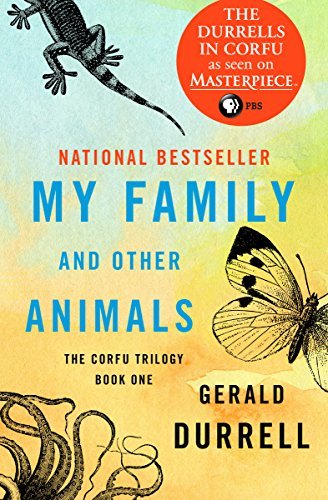
For the summer spin, my book ended up being My Family and Other Animals by Gerald Durrell. And I was happy about it! It sounded charming, it had been on my to-read list for a while, and I’d been thinking about watching the PBS adaptation (The Durrells in Corfu), so starting with the book seemed like a great idea.

And then I read the first 25% or so… and it just wasn’t for me. I enjoyed the anecdotes about the family, but thought I’d tear my hair out if I had to spend any more time contemplating the insects in the garden and the misadventures of a tortoise. I know people love this book — but not me.

Onward. Rather than give up on the latest spin book entirely, I decided to sub in a book from the same decade that had been on my backup list… and that’s how I ended up with The Old Man and the Sea. Is this breaking the Spin rules? Maybe (probably)… but I figured “my challenge, my rules” and decided that I was okay with this outcome.

It feels a little funny to talk about a Hemingway book based on the plot alone, since there’s such a cult of personality built up around the author — even to the extent of annual competitions such as The International Imitation Hemingway Competition, also known as the Bad Hemingway Contest (which Wikipedia warns us not to confuse with the Hemingway Look-Alike Contest).

I’ve only read one Hemingway novel (A Farewell to Arms, which I thought was wonderful) and have little knowledge or experience with his other works. Of course, I was already aware of the general storyline of The Old Man and the Sea, and I believe we even watched a film version way back in my school days, so I knew how the book would end.

And still, I have to say that I thoroughly enjoyed reading this short novel and thought the writing was pitch-perfect. It’s spare and tense, and captures the feeling of being old, the struggle of man against nature, and the relentlessness of time as the world passes someone by.

In a nutshell, the plot is about the old fisherman Santiago, once considered the greatest of the great, who has had a streak of bad luck and has come back empty-handed from his fishing excursions for over 80 straight days. His faithful companion, a younger boy, has been forced by his family to work on a different boat because Santiago has become unlucky.

Santiago sets out alone to see if his luck will change, and he hooks the biggest fish of his life, then spends three days at sea fighting with his body and spirit to land the fish and bring it back with him.

I found the story quite powerful and engaging, and highlighted passage after passage. As I’ve said, I’m no expert and can’t comment more generally on Hemingway as a writer — but I did love the way he expresses Santiago’s struggles, and the vividness with which he portrays both the old fisherman’s battle and his love for the sea and its creatures.

Here are a few of the lines and passages that stood out for me:

Most people are heartless about turtles because a turtle’s heart will beat for hours after he has been cut up and butchered. But the old man thought, I have such a heart too and my feet and hands are like theirs.

I wish I could show him what sort of man I am. But then he would see the cramped hand. Let him think I am more man than I am and I will be so.

“Fish,” the old man said. “Fish, you are going to have to die anyway. Do you have to kill me too?”

You are killing me, fish, the old man thought. But you have a right to. Never have I seen a greater, or more beautiful, or a calmer or more noble thing than you, brother. Come on and kill me. I do not care who kills who.

And my favorite:

“If the others heard me talking out loud they would think that I am crazy,” he said aloud. “But since I am not crazy, I do not care.”

I’m really pleased that I made the decision to switch books, and I’m happy to have read The Old Man and the Sea. It’s a short book, but one that held me in its spell from start to finish.

Are you a Hemingway fan? If so, do you have a favorite book to recommend?

My Classics Club Spin book for summer 2025 will be…

Earlier in the week, I shared a post with my list of books for the newest Classics Club Spin challenge (see it here), and a few days ago, this spin’s number was announced. (For those keeping track, it’s CCSpin #41, and for me personally, #13!)

Hosted by The Classics Club blog, the Classics Club Spin is a reading adventure where participants come up with a list of classics they’d like to read, number them 1 to 20, and then read the book that corresponds to the “spin” number that comes up.

For CCSpin #41, the lucky number is:

And that means I’ll be reading:

My Family and Other Animals by Gerald Durrell
(The Corfu Trilogy, Book #1) 
Published 1956

Synopsis:

‘What we all need,’ said Larry, ‘is sunshine…a country where we can grow.

‘Yes, dear, that would be nice,’ agreed Mother, not really listening.

‘I had a letter from George this morning – he says Corfu’s wonderful. Why don’t we pack up and go to Greece?’

‘Very well, dear, if you like,’ said Mother unguardedly.

Escaping the ills of the British climate, the Durrell family – acne-ridden Margo, gun-toting Leslie, bookworm Lawrence and budding naturalist Gerry, along with their long suffering mother and Roger the dog – take off for the island of Corfu.

But the Durrells find that, reluctantly, they must share their various villas with a menagerie of local fauna – among them scorpions, geckos, toads, bats and butterflies.

What fun! I’ve been tempted to read this book ever since seeing promos for the Masterpiece series (The Durrells in Corfu), which aired 2016 – 2019. I held off on watching the series so I could read the book first, and then never got around to that either! So, I’m very happy with this spin result, and if I love the book, maybe I’ll finally get around to the TV version as well.

For my 2025 spins, I’ve been focusing on 20th century literature — inspired by a reading challenge to read (at least) one book from each decade of the century. Once I finish My Family and Other Animals, I’ll be able to check off the 1950s!

At just under 300 pages (Kindle edition), this book shouldn’t take a tremendous amount of time, so I may hold off on starting it for a bit… mainly because I’m swamped with other books from my TBR at the moment.

Overall, I’m really looking forward to reading My Family and Other Animals. The deadline to finish this spin is August 24th. I’ll be back with my reaction before then.

What do you think of my spin result this time around?

Here’s my list of 20 titles for Classics Club Spin #41:

  1. Frenchman’s Creek by Daphne DuMaurier
  2. The Ghost and Mrs. Muir by R. A. Dick
  3. A Damsel in Distress by P. G. Wodehouse
  4. Nine Coaches Waiting by Mary Stewart
  5. Peony by Pearl Buck
  6. White Fang by Jack London
  7. A Little Princess by Frances Hodgson Burnett
  8. The Heart Is a Lonely Hunter by Carson McCullers
  9. The Mysterious Affair at Styles by Agatha Christie
  10. I Capture the Castle by Dodie Smith
  11. My Family and Other Animals by  Gerald Durrell
  12. In Cold Blood by Truman Capote
  13. Something Wicked This Way Comes by Ray Bradbury
  14. The Painted Veil by W. Somerset Maugham
  15. Foundation by Isaac Asimov
  16. Frederica by Georgette Heyer
  17. Dragonwyck by Anya Seton
  18. The Return of the Soldier by Rebecca West
  19. The Left Hand of Darkness by Ursula K. Le Guin
  20. My Brilliant Career by Miles Franklin

My previous Classics Club Spin books:

Are you participating in this Classics Club Spin? If so, what book will you be reading?

Getting ready for the newest Classics Club Spin (CC Spin #41; summer 2025)

It’s time for another Classics Club Spin!

Hosted by The Classics Club blog, the Classics Club Spin is a reading adventure where participants come up with a list of classics they’d like to read, number them 1 to 20, and then read the book that corresponds to the “spin” number that comes up. This will be my 13th time participating — although for the Classics Club, it’s spin #41!

Here are the dates and guidelines from the host blog:

On Sunday 15th June, 2025 we’ll post a number from 1 through 20. The challenge is to read whatever book falls under that number on your Spin List by the 24th August, 2025..

We’ll check in on the 24th August to see who made it the whole way and finished their spin book!

What’s Next?

  • Go to your blog.
  • Pick twenty books that you’ve got left to read from your Classics Club List.
  • Post that list, numbered 1-20, on your blog before Sunday 15th June 2025.
  • We’ll announce a number from 1-20. 
  • Read that book by 24th August.

My spin lists are usually a mix of books from different decades and centuries, but in 2025, I’m focusing on books that count toward my 20th Century Decades reading challenge (for which I’m aiming to read one book published per decade). All of the books on my list fit the challenge! And they’re all books I’d want to read anyway… so this should be an exciting spin, no matter which number comes up.

Here we go!

Here’s my list of 20 classics for the next Classics Club Spin:

  1. Frenchman’s Creek by Daphne DuMaurier
  2. The Ghost and Mrs. Muir by R. A. Dick
  3. A Damsel in Distress by P. G. Wodehouse
  4. Nine Coaches Waiting by Mary Stewart
  5. Peony by Pearl Buck
  6. White Fang by Jack London
  7. A Little Princess by Frances Hodgson Burnett
  8. The Heart Is a Lonely Hunter by Carson McCullers
  9. The Mysterious Affair at Styles by Agatha Christie
  10. I Capture the Castle by Dodie Smith
  11. My Family and Other Animals by  Gerald Durrell
  12. In Cold Blood by Truman Capote
  13. Something Wicked This Way Comes by Ray Bradbury
  14. The Painted Veil by W. Somerset Maugham
  15. Foundation by Isaac Asimov
  16. Frederica by Georgette Heyer
  17. Dragonwyck by Anya Seton
  18. The Return of the Soldier by Rebecca West
  19. The Left Hand of Darkness by Ursula K. Le Guin
  20. My Brilliant Career by Miles Franklin

Wish me luck! I’ll be back on June 15th to reveal my spin result!

My previous Classics Club spins:

Spring 2022 (CCSpin29): The Black Moth by Georgette Heyer
Summer 2022 (CCSpin30): Cannery Row by John Steinbeck
Fall 2022 (CCSpin31): A Connecticut Yankee in King Arthur’s Court by Mark Twain
Winter 2022/2023 (CCSpin32): O Pioneers! by Willa Cather
Spring 2023 (CCSpin33): Picnic at Hanging Rock by Joan Lindsay
Summer 2023 (CCSpin34): Herland by Charlotte Perkins Gilman
Fall 2023 (CCSpin35): Cranford by Elizabeth Gaskell
Winter 2024 (CCSpin36): A Night to Remember by Walter Lord
Spring 2024 (CCSpin37): Howards End by E. M. Forster
Summer 2024 (CCSpin38): The Sound of Waves by Yukio Mishima
Fall 2024 (CCSpin39): An Old-Fashioned Girl by Louisa May Alcott
Winter 2025 (CCSpin40): Dracula by Bram Stoker

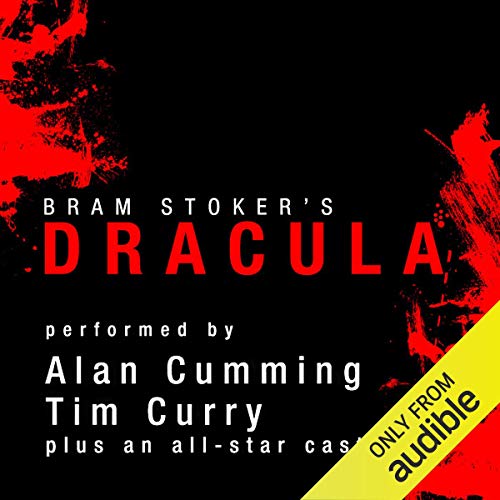
Audiobook Review: Dracula by Bram Stoker (Classics Club Spin #40)

Title: Dracula
Author: Bram Stoker
Publication date: 1897
Print length: 454 pages
Audio length: 15 hours, 27 minutes
Rating:

Rating: 5 out of 5.

When Jonathan Harker visits Transylvania to help Count Dracula purchase a London house, he makes horrifying discoveries in his client’s castle. Soon afterwards, disturbing incidents unfold in England: an unmanned ship is wrecked; strange puncture marks appear on a young woman’s neck; and a lunatic asylum inmate raves about the imminent arrival of his ‘Master’. In the ensuing battle of wits between the sinister Count and a determined group of adversaries, Bram Stoker created a masterpiece of the horror genre, probing into questions of identity, sanity and the dark corners of Victorian sexuality and desire.

Details on the Audible edition:

Because of the widespread awareness of the story of the evil Transylvanian count and the success of numerous film adaptations that have been created over the years, the modern audience hasn’t had a chance to truly appreciate the unknowing dread that readers would have felt when reading Bram Stoker’s original 1897 manuscript. Most modern productions employ campiness or sound effects to try to bring back that gothic tension, but we’ve tried something different. By returning to Stoker’s original storytelling structure – a series of letters and journal entries voiced by Jonathan Harker, Dr. Van Helsing, and other characters – with an all-star cast of narrators, we’ve sought to recapture its originally intended horror and power.

This production of Dracula is presented by what is possibly the best assemblage of narrating talent ever for one audiobook: Emmy Award nominees Alan Cumming and Tim Curry plus an all-star cast of Audie award-winners Simon Vance (The Millenium Trilogy), Katherine Kellgren (Pride and Prejudice and Zombies), Susan Duerden (The Tiger’s Wife), John Lee (Supergods) and customer favorites Graeme Malcolm (Skippy Dies), Steven Crossley (The Oxford Time Travel series), Simon Prebble (The Baroque Cycle), James Adams (Letters to a Young Contrarian), Nicola Barber (The Rose Garden), Victor Villar-Hauser (Fun Inc.), and Marc Vietor (1Q84). These stellar narrators have been cast as follows:

Alan Cumming as Dr. Seward
Simon Vance as Jonathan Harker
Katy Kellgren as Mina Murray/Harker
Susan Duerden as Lucy Westenra
Tim Curry as Van Helsing
Graeme Malcolm as Dailygraph correspondent
Steven Crossley as Zookeeper’s account and reporter
Simon Prebble as Varna
James Adams as Patrick Hennessey
Nicola Barber as Sister Agatha
Victor Villar-Hauser as Arthur Holmwood
Marc Vietor as Quincey Morris
John Lee as Introductory paragraph, various letters

Once again, I’m thrilled with the results of my Classics Club Spin!

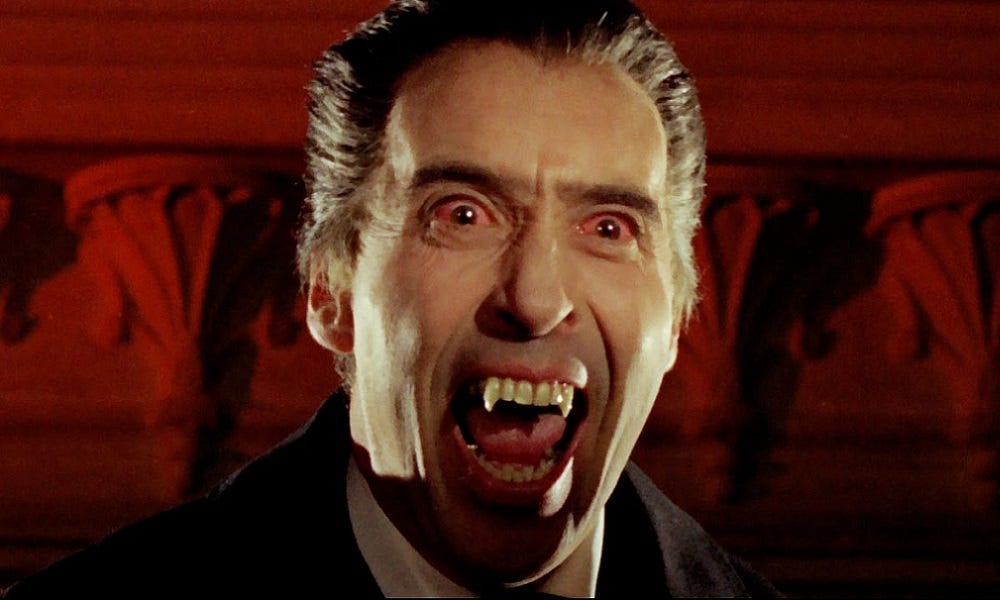
I first read Dracula decades ago, at some point during my high school or college years — but after so much time, my memory of the book had become fuzzy. At the same time, it’s impossible not to be familiar with the general story of Dracula — and in some ways, even more so with all the interpretations, adaptations, and parodies that are associated with the story.

What a treat to go back to the original! I’d forgotten just how brilliantly written this story is. From the terror conveyed via Jonathan Harker’s diary, to the innocent joy of Mina Harker and Lucy Westenra’s friendship, to the unraveling of the mystery by Doctors Seward and Van Helsing, to the breathtaking chase scenes that form the climax of the story — it’s all conveyed with masterful storytelling, sharply building suspense, and beautiful character development.

As for the audiobook version, it was an absolute delight. This full cast, unabridged recording features the talents of Tim Curry, Alan Cumming, Simon Vance, and more. The narrators brings the characters to life, and while this is a long audiobook, it never feels too long — it’s a pleasure to listen to, from start to finish.

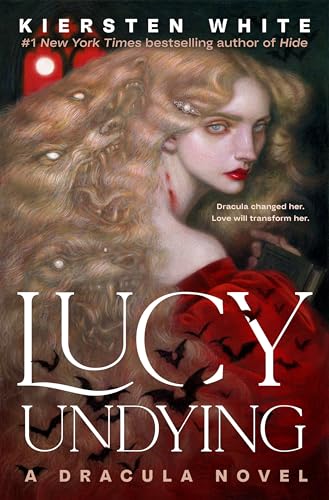
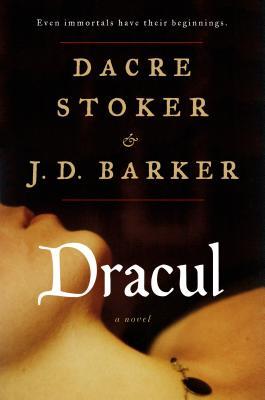
Dracula is, of course, the most influential of all vampire books, and there are countless books that are spin-offs, retellings, or inspired by the original. Some recent reimaginings have caught my eye, and I’d like to check them out — ideally at least one this year. They are:

  • Lucy Undying by Kiersten White (published 2024)
  • Dracul by Dacre Stoker (Bram Stoker’s great-grand-nephew) and J. D. Barker (published 2018)
  • A Dowry of Blood by S. T. Gibson (published 2022)

Have you read any of these? Do you have any other Dracula retellings to recommend?

Amazon purchase links
Dracula audiobookLucy UndyingDraculA Dowry of Blood 
This post contains affiliate links. If you click and buy, we may earn a small commission at no extra cost to you.

My Classics Club Spin book for winter 2025 will be…

Earlier in the week, I shared a post with my list of books for the newest Classics Club Spin challenge (see it here), and a few days ago, this spin’s number was announced. (For those keeping track, it’s CCSpin #40, and for me personally, #12!)

Hosted by The Classics Club blog, the Classics Club Spin is a reading adventure where participants come up with a list of classics they’d like to read, number them 1 to 20, and then read the book that corresponds to the “spin” number that comes up.

For CCSpin #40, the lucky number is:

And that means I’ll be reading:

Dracula by Bram Stoker (published 1897)

Synopsis:

Young lawyer Jonathan Harker journeys to Transylvania to meet with the mysterious Count Dracula only to discover that his nobleman client is a vampire who is thirsty for new blood. After imprisoning Harker in his castle, Dracula travels to England to seduce Jonathan’s fiancée, Mina, and the battle against an ineffable evil begins.

Led by philosopher and metaphysician Professor Van Helsing – Dracula’s most indomitable adversary – Harker, Mina, and a band of allies unite, determined to confront and destroy the Count before he can escape.

Bram Stoker ingeniously modernized gothic folklore by moving his vampire from traditional castle ruins to modern England. With Dracula, which has been interpreted and dissected by scholars for generations, Stoker changed the vampire novel forever.

Okay! This is a good result! What’s funny is that I replaced all but two of the books on my spin list this time around with 20th century classics related to a reading challenge I’ve committed to, and Dracula was one of the only two exceptions. But that’s fine!

I actually have read Dracula before, but it’s been decades, and I’ve been meaning to do a reread for ages now — it’s been on every one of my spin lists since I started participating, and I guess it was time for its number to come up.

I’m excited to dive in. I’m also super tempted to treat myself to a gorgeous hardcover edition with illustrations by Edward Gorey as a little motiviating gift to myself… should I give in to temptation?

I haven’t quite decided on my reading format. There’s a full cast Audible edition of the unabridged text that looks like it would be an amazing listen.

What do you think, read the physical book or listen to the audiobook?

And most importantly: What do you think of my spin result this time around?

The deadline to finish this spin is April 11th. I’ll be back with my reaction to Dracula before then!

Here’s my list of 20 titles for Classics Club Spin #40:

  1. Frenchman’s Creek by Daphne DuMaurier
  2. The Ghost and Mrs. Muir by R. A. Dick
  3. A Damsel in Distress by P. G. Wodehouse
  4. Dracula by Bram Stoker
  5. Peony by Pearl Buck
  6. White Fang by Jack London
  7. A Little Princess by Frances Hodgson Burnett
  8. Pat of Silver Bush by L. M. Montgomery
  9. The Mysterious Affair at Styles by Agatha Christie
  10. I Capture the Castle by Dodie Smith
  11. My Family and Other Animals by  Gerald Durrell
  12. In Cold Blood by Truman Capote
  13. Cakes and Ale by W. Somerset Maugham
  14. The Painted Veil by W. Somerset Maugham
  15. Frankenstein by Mary Shelley
  16. The Grapes of Wrath by John Steinbeck
  17. East of Eden by John Steinbeck
  18. Pale Horse, Pale Rider by Katherine Porter
  19. The Left Hand of Darkness by Ursula K. Le Guin
  20. My Brilliant Career by Miles Franklin

My previous Classics Club Spin books:

Are you participating in this Classics Club Spin? If so, what book will you be reading?

Getting ready for the Winter 2025 Classics Club Spin!

It’s time for another Classics Club Spin!

Hosted by The Classics Club blog, the Classics Club Spin is a reading adventure where participants come up with a list of classics they’d like to read, number them 1 to 20, and then read the book that corresponds to the “spin” number that comes up. This will be my 12th time participating — although for the Classics Club, it’s spin #40!

Here are the dates and guidelines from the host blog:

On Sunday 16th February 2025 we’ll post a number from 1 through 20. The challenge is to read whatever book falls under that number on your Spin List by the 11th April, 2025.

We’ll check in on the 11th April to see who made it the whole way and finished their spin book!

What’s Next?

  • Go to your blog.
  • Pick twenty books that you’ve got left to read from your Classics Club List.
  • Post that list, numbered 1-20, on your blog before Sunday 16th February 2025.
  • We’ll announce a number from 1-20. 
  • Read that book by 11th April.

Usually, when a new spin is announced, I simply replace the book chosen on the last spin, and otherwise keep the rest of my list intact. This time, though, I’m making several substitutions: I’m participating in a 20th Century Decades reading challenge in 2025, aiming to read one book published per decade. To support that, I’m swapping out almost* all of the books on my list published prior to 1900, and replacing them** with books that fit my challenge.

*Exceptions: Dracula and Frankenstein have both been on my lists since I started participating in these spins, and I’m still waiting for their numbers to come up.

**Have no fear! I’m making note of which books I’m (temporarily) removing from my spin list, and will add them back for future spins, once I make progress on my reading challenge!

All that intro out of the way…

Here we go!

Here’s my list of 20 classics for the next Classics Club Spin:

  1. Frenchman’s Creek by Daphne DuMaurier
  2. The Ghost and Mrs. Muir by R. A. Dick
  3. A Damsel in Distress by P. G. Wodehouse
  4. Dracula by Bram Stoker
  5. Peony by Pearl Buck
  6. White Fang by Jack London
  7. A Little Princess by Frances Hodgson Burnett
  8. Pat of Silver Bush by L. M. Montgomery
  9. The Mysterious Affair at Styles by Agatha Christie
  10. I Capture the Castle by Dodie Smith
  11. My Family and Other Animals by  Gerald Durrell
  12. In Cold Blood by Truman Capote
  13. Cakes and Ale by W. Somerset Maugham
  14. The Painted Veil by W. Somerset Maugham
  15. Frankenstein by Mary Shelley
  16. The Grapes of Wrath by John Steinbeck
  17. East of Eden by John Steinbeck
  18. Pale Horse, Pale Rider by Katherine Porter
  19. The Left Hand of Darkness by Ursula K. Le Guin
  20. My Brilliant Career by Miles Franklin

Wish me luck! I’ll be back on February 16th to reveal my spin result!

My previous Classics Club spins:

Spring 2022 (CCSpin29): The Black Moth by Georgette Heyer
Summer 2022 (CCSpin30): Cannery Row by John Steinbeck
Fall 2022 (CCSpin31): A Connecticut Yankee in King Arthur’s Court by Mark Twain
Winter 2022/2023 (CCSpin32): O Pioneers! by Willa Cather
Spring 2023 (CCSpin33): Picnic at Hanging Rock by Joan Lindsay
Summer 2023 (CCSpin34): Herland by Charlotte Perkins Gilman
Fall 2023 (CCSpin35): Cranford by Elizabeth Gaskell
Winter 2024 (CCSpin36): A Night to Remember by Walter Lord
Spring 2024 (CCSpin37): Howards End by E. M. Forster
Summer 2024 (CCSpin38): The Sound of Waves by Yukio Mishima
Fall 2025 (CCSpin39): An Old-Fashioned Girl by Louisa May Alcott

Book Review: An Old Fashioned Girl by Louisa May Alcott (Classics Club Spin #39)

Title: An Old Fashioned Girl
Author: Louisa May Alcott
Publication date: 1869
Length: 224 pages
Rating:

Rating: 4 out of 5.

An Old-Fashioned Girl is a novel by Louisa May Alcott first published in 1869, which follows the adventures of Polly Milton, a young country girl, who is visiting her wealthy city friends, the Shaws. The novel shows how Polly remains true to herself despite the pressure the Shaws’ world puts on her shoulders.

The first six chapters of the novel were serialized in the Merry’s Museum magazine between July and August 1869. Alcott added another thirteen chapters before publishing the novel. The book revolves around Polly Milton, the old-fashioned girl of the title, who visits the wealthy family of her friend Fanny Shaw in the city and is overwhelmed by their fashionable life they lead and disturbed to see how the family members fail to understand one another and demonstrate little affection. She is largely content to remain on the fringes of their social life but exerts a powerful influence over their emotional lives and family relations.

Let’s hear it for another great Classics Club Spin result!

I absolutely went through a Louisa May Alcott phase as a young reader. Beyond Little Women, I read Little Men, Jo’s Boys, Jack and Jill, and (I think) Eight Cousins and Rose in Bloom… but don’t ask me to tell you a thing about most of them. What I know for sure is that I never read An Old-Fashioned Girl — not for any particular reason. Maybe my local library just didn’t have a copy?

In any case, I’m delighted to have read this book, finally… and while it’s not a masterpiece on the level of Little Women, it’s an engaging read that’s more than it initially seems.

An Old-Fashioned Girl seems at times to verge on being too sugary sweet — but then the author adds just enough snark in her commentary to keep it fun and sassy.

For example, this description of a fashionable young lady:

There was a locket on her neck, ear-rings tinkling in her ears, watch and chain at her belt, and several rings on a pair of hands that would have been improved by soap and water.

Plotwise, the tale starts simply enough. 14-year-old Polly is from a hardworking country family, raised to cherish simplicity, goodness, kindness, and doing well by others. It’s a major culture shock for Polly when she goes for an extended visit with Fanny Shaw, a 16-year-old from a wealthy London family. While Fanny offers Polly hospitality, she also is in many ways incomprehensible to Polly. Fanny is immersed in fashion, primping, flirtation, and gossip — none of which hold any interest for Polly, yet Polly is pressured by Fanny to fit in and at least try to make a good impression.

Fanny went to a fashionable school, where the young ladies were so busy with their French, German, and Italian, that there was no time for good English.

Ultimately, old-fashioned Polly is the one who has an impact on the Shaws, finding the goodness in each family member and infusing a sense of fun into the simpler joys of daily life. One especially lovely scene involves the grandmother of the family, who lives in the upper rooms of the Shaw home, surrounded by precious mementos but largely ignored by her boisterous grandchildren. Polly takes a genuine interest in grandma, and manages to find a way to pique the Shaw kids’ interest in a way that creates a warm, lovely connection.

As the author notes in her introduction, An Old-Fashioned Girl was originally a serialized story that ended with Polly returning back home after her visit, and comprised only six chapters. Apparently, Louisa May Alcott’s readers just weren’t having it, and demanded more! The finished book is 19 chapters in all, and picks up the story six years later, when Polly, now a young woman, returns to the city to support herself and help fund her beloved brother’s higher education.

From here, we see a mature Polly with the determination to work for a living, teaching children’s music classes and living in a rented room. She’s kept her core values, and continues to influence the Shaw family in all sorts of ways. Meanwhile, through Polly’s volunteer work, we get a glimpse of women’s lives at the time, from those struggling to get by to those pursuing art, literature, and learning in lieu of seeking the more traditional pathways for women.

An Old-Fashioned Girl is a fairly simple, straightforward read, and as I mention, it occasionally teeters right on the edge of being too utterly nice. Polly is a bit Beth March-ish, minus the extreme shyness and timidity. Dashes of Jo March, perhaps — Polly speaks her mind, and ventures outside the expected norms for girls and young women of the time. Yet she’s unerringly, unalterably good; she’s kind, she sees the best in people, she’s fair, and she cares for those less fortunate and really, anyone who needs anything at all. She makes peace within the Shaw household and helps each family member in just the way they need. She often does come across as too good to be true — except she’s also wise, self-deprecating, and just sharp enough that I couldn’t help but like her and find her fun to be around.

All in all, I’m very happy to have read An Old-Fashioned Girl, and look forward to catching up a bit more with Louisa May Alcott’s book, including the ones I read so long ago.

Who knew? According to IMDb, there was a film version of An Old-Fashioned Girl released in 1949. The images on the movie poster (below) don’t match how I see the characters in my head, but I’d still be curious to check out the movie, if I can find it.