Audiobook Review: Kilmeny of the Orchard by L. M. Montgomery

Title: Kilmeny of the Orchard
Author: L. M. Montgomery
Narrator: Grace Conlin
Publisher: n/a – many editions available
Publication date: 1910
Print length: 144 pages
Audio length: 4 hours, 5 minutes
Genre: Classic fiction
Source: Purchased
Rating:

Rating: 3 out of 5.

A sweet and moving romance from the author of the beloved Anne of Green Gables series!

Eric Marshall, recent college graduate, has the world at his feet. He’s handsome, popular, wealthy, and surprisingly, single. Living the bachelor lifestyle with his widowed father, he’s never given much thought to romance. When an old school friend asks Eric to substitute teach for him on Prince Edward Island while he recuperates from an illness, Eric thinks, why not? He’s got some time to kill before diving into the family business with his father, and the rustic island may be a good diversion for him.

Eric falls into the easy routine of island life, and his status as eligible bachelor endears him to the locals. Eric is still not thinking of romance, but he’s about to find it in a most unexpected place…

Kilmeny Gordon is sweet and smart and beautiful, perfect in every way but one: she can’t speak. She’s been sheltered all her life due to her disability and the scandal surrounding her birth. She wiles away her hours helping her aunt and uncle on the farm and playing her violin in her favorite secluded spot. When Eric stumbles into her hidden orchard, he brings a whole new world with him, and a friendship that both frightens her and thrills her. As the summer days grow longer and their friendship blossoms, sweet, silent Kilmeny, with her sunny enthusiasm and haunting music, manages to do what neither the co-eds of Queenslea College nor the village lasses of Lindsay have been able to do—capture Eric’s heart.

But Kilmeny knows he’ll soon have to go back to his life on the mainland, a world of business meetings and parties and prejudicial people—a world in which she’ll hold him back and never fit in. None of that matters to Eric, but how can he get her to accept that she’s the only woman he’ll ever love, when she is convinced that the only way to love him is to let him go?

And a shorter synopsis from Audible:

Twenty-four-year-old Eric Marshall arrives on Prince Edward Island to become a substitute schoolmaster, even though he has a bright future in his wealthy family’s business. Eric has taken the two-month teaching post only as a favor to a friend – but fate throws in his path a beautiful, mysterious girl named Kilmeny Gordon. With jet black hair and sea blue eyes, Kilmeny immediately captures Eric’s heart. But Kilmeny cannot speak, and Eric is concerned for and bewitched by this shy, sensitive mute girl. For the first time in his life, he must work hard for something he wants badly. And there is nothing he wants more than for Kilmeny to return his love.

After coming to the Anne of Green Gables series only several years ago, I’ve been on a (somewhat haphazard) mission to read L. M. Montgomery’s novels. Looking back at my reading history, after reading the Anne series and Emily trilogy, I see that I’ve read one of her stand-alones in each of the past few years… and that brings me to Kilmeny of the Orchard.

Kilmeny of the Orchard wasn’t on my radar, but I stumbled across it thanks to a Kindle deals promo, and decided to give it a try. Kilmeny is the 3rd novel published by L. M. Montgomery, released after the first two Anne books — which would make it her first novel published about adult characters. Kilmeny has the lovely descriptions and clever character depictions so prevalent in the author’s works, but the story itself feels somewhat underbaked and clichéd, definitely not on the level of her “greatest hits”.

Kilmeny of the Orchard‘s main character is not Kilmeny herself, but rather, Eric Marshall, a recent college graduate and son of a wealthy businessman, who has the world at his feet. Before joining his father’s company and starting his career, he receives a letter from a friend who’s ill, asking Eric to take over his teaching job in the small village of Lindsay as a favor to him, just until the end of his contract. Eric has no other immediate plans, and decides to do it.

He finds Lindsay welcoming, with an assortment of oddball characters (including his talkative landlord, who seems more devoted to his cat than to his wife), and the area is beautiful, if not particularly exciting. As Eric uses his free time to wander and explore, he stumbles across a ramshackle old orchard, and within it, a beautiful young woman playing the violin. As he approaches her, she runs away. Eric is immediately intrigued and sets out to learn more about her.

The young woman is Kilmeny, the niece of the Gordons, a brother and sister who’ve raised her since her mother’s death. The Gordons keep strictly to themselves, and Kilmeny has never ventured beyond their home except for her isolated violin playing in the orchard. Kilmeny is mute, and the Gordons feel it is in her best interest to protect her and shield her from the outside world.

But Eric is irresistibly drawn to Kilmeny, and seeks her out in the orchard. She’s able to communicate by writing on a slate, and soon, they develop a friendship through which Eric introduces her to books, poetry, and ideas that are new to the sheltered young woman. Wanting to know more, he finally gets the full story from his landlords, and learns more about Kilmeny and her mother’s tragic past.

Kilmeny of the Orchard is a short book and a quick audiobook listen, and much of the language is beautiful, especially the descriptions of the landscapes and the orchard itself. Still, there are many elements that are off-putting for a modern reader/listener. Yes, reading older books requires us to keep in mind the attitudes and beliefs of the era in which they were written, but that doesn’t mean that certain concepts won’t be unpleasant to encounter.

Chief among these is the depiction of Kilmeny’s “defect”, as Eric and others refer to it. Kilmeny is described as “dumb”, which I know was an acceptable word for being mute, but still feels pretty awful to hear over and over and over again. They’re quick to assert that despite being dumb, her other faculties are fine, but there’s a base-level assumption that her muteness is something that damages her as a whole and reduces her value. In fact, her muteness is the one and only reason why Kilmeny refuses Eric’s proposal of marriage, despite being in love with him: She’s sure that her “defect” would make her a detriment to him as a wife.

The Gordons never take Kilmeny to a doctor at any point in her life, first because her mother won’t allow it, and after her death, because they firmly believe there’s nothing to be done. Why? Because… it’s clearly the sins of the mother being visited on the child, that’s why. Kilmeny’s muteness is a punishment, and so obviously, doctors can’t possibly fix it.

The Gordons have also raised a young man named Neal, whom they took in after a passing peddler’s wife gave birth on their farm. The couple abandoned the baby and the Gordons raised him, giving him their last name, but never their love. He’s Italian, you see, and no one will ever overlook his birth and consider him part of the family or the community. Despite being raised there since birth, Neal is treated as an outsider and looked upon with suspicion. His Italian heritage is pretty much always mentioned when he’s referred to, and he’s always described with negative terms, such as sullen, wild, shrill — we’re clearly meant to distrust him from the start. It’s awful stereotyping (“the untamed fury of the Italian peasant thwarted in his heart’s desire”), and plays out in completely expected ways.

Finally, the sexist slant of the story drove me batty. The fact that the title character of the book is not in fact the main character, but rather the main character’s object of desire kind of says it all. This book is certainly told through the male gaze! Kilmeny is described as exquisite, but childlike. It’s only Eric’s interest and his introducing her to concepts of love — through the stories and poems he reads her — that turn her into a woman. Perhaps intended as romantic, but certainly otherwise in the modern context, there’s a kiss described as “involuntary”… which, enough said. Kilmeny is Eric’s mission — he’s there to save her and change her. Clearly, he knows best, and he’s the driving force behind any developments in Kilmeny’s limited world. Save me from male saviors!

Kilmeny of the Orchard is a much simpler story than many of L. M. Montgomery’s later books, and it’s interesting to see this early work in contrast to the many wonderful novels that I’ve loved so much. I wouldn’t necessarily recommend it for its own sake, but for completists who want to read all of LMM’s works and track the development of her writing and storytelling style, it’s worth checking out.

Meanwhile, I have a few more books by this author yet to explore! Next up for me — probably later this year — will be two more books on my shelves, Pat of Silver Bush and Mistress Pat. These were both published in the 1930s, and I’m eager to see how they compare to the L. M. Montgomery books that I’ve loved.

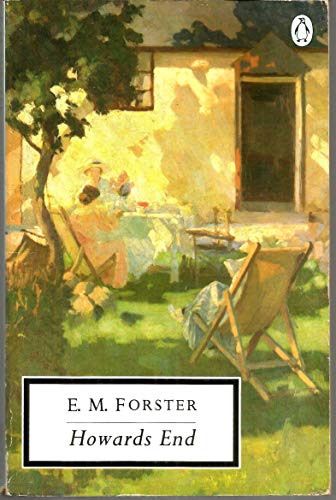
Book Review: Howards End by E. M. Forster (Classics Club Spin #37)

Title: Howards End
Author: E. M. Forster
Publication date: 1910
Length: 246 pages
Rating:

Rating: 5 out of 5.

‘Only connect…’

 Considered by many to be E. M. Forster’s greatest novel, Howards End is a beautifully subtle tale of two very different families brought together by an unusual event. The Schlegels are intellectuals, devotees of art and literature. The Wilcoxes are practical and materialistic, leading lives of “telegrams and anger.” When the elder Mrs. Wilcox dies and her family discovers she has left their country home—Howards End—to one of the Schlegel sisters, a crisis between the two families is precipitated that takes years to resolve. Written in 1910, Howards End is a symbolic exploration of the social, economic, and intellectual forces at work in England in the years preceding World War I, a time when vast social changes were occurring. In the Schlegels and the Wilcoxes, Forster perfectly embodies the competing idealism and materialism of the upper classes, while the conflict over the ownership of Howards End represents the struggle for possession of the country’s future. As critic Lionel Trilling once noted, the novel asks, “Who shall inherit England?”

Forster refuses to take sides in this conflict. Instead he poses one of the book’s central questions: In a changing modern society, what should be the relation between the inner and outer life, between the world of the intellect and the world of business? Can they ever, as Forster urges, “only connect”?

To be honest, I don’t feel especially qualified to “review” Howards End. It’s a beautifully written, thought-provoking, even funny book, and I loved it, really and truly. But I’m no literary expert — not even an English major!! — so I’ll skip any attempt at deep analysis.

Instead, I’ll just mention what I especially liked:

  • The contrast between the Wilcox and Schlegel families. The Wilcoxes are wealthy thanks to the nonstop busy-ness of business. Life is practical, efficient, and sensible. The Schlegels, on the other hand, are dreamers and art-lovers, especially sisters Margaret and Helen. Left comfortably wealthy after the death of their parents, they don’t have to worry about work or practicality. They enjoy discussions of the more esoteric elements of life.
  • Excellent dialogue: Whether it’s scenes of Margaret and Helen engaged in yet another argument, or pointed examples of how obtuse and stubborn the Wilcox eldest son Charles can be, the bickering and disagreements are quite entertaining.
  • Examinations of class, without preachiness: We also meet clerk Leonard Bast, who is desperate to claw his way out of poverty despite his low beginnings and extremely low-class wife. Leonard’s aspirations make him susceptible to the influence of the Schlegels, whose attempt at do-gooderism instead dooms poor Leonard to an even worse situation than where they found him.
  • Lush descriptions of places, especially the beauty of Howards End itself.
  • A wide cast of characters that provides peeks at so many aspects of the society of the time.

A few selections to enjoy:

We are not concerned with the very poor. They are unthinkable and only to be approached by the statistician or the poet. This story deals with gentlefolk, or with those who are obliged to pretend that they are gentlefolk.

A funeral is not death, any more than baptism is birth or marriage union. All three are the clumsy devices, coming now too late, now too early, by which Society would register the quick motions of man.

If a man cannot lead up to passion he can at all events lead down from it […]

The interlude closes. It has taken place in Charles’s garden at Hilton. He and Dolly are sitting in deckchairs, and their motor is regarding them placidly from its garage across the lawn. A short-frocked edition of Charles also regards them placidly; a perambulator edition is squeaking; a third edition is expected shortly. Nature is turning out Wilcoxes in this peaceful abode, so that they may inherit the earth.

I so enjoyed the writing and the story, and heartily recommend Howards End. I’d love to read it again with a book group at some point — there’s so much in it that I’d love to pull apart and really examine at leisure.

As is, I read this book via Serial Reader, intending to stick to one little installment per day (out of 40 installments in total). Instead, by about the halfway point, I was too impatient to take it slowly, and read straight through to the end.

All in all, a very happy experience with this round of the Classics Club Spin!

Several years ago, I watched the excellent four-part adaptation of Howards End, starring Hayley Atwell and Matthew Macfadyen. Now that I’ve read the book, I’d love to watch it again!

My Classics Club Spin book for spring 2024 will be…

Earlier in the week, I shared a post with my list of books for the newest Classics Club Spin challenge (see it here), and a few days ago, this spin’s number was announced. (For those keeping track, it’s CC Spin #37, and for me personally, #9!)

Hosted by The Classics Club blog, the Classics Club Spin is a reading adventure where participants come up with a list of classics they’d like to read, number them 1 to 20, and then read the book that corresponds to the “spin” number that comes up.

For CCSpin #37, the lucky number is:

And that means I’ll be reading:

Howards End by E. M. Forster (published 1910)

Synopsis:

‘Only connect…’

 Considered by many to be E. M. Forster’s greatest novel, Howards End is a beautifully subtle tale of two very different families brought together by an unusual event. The Schlegels are intellectuals, devotees of art and literature. The Wilcoxes are practical and materialistic, leading lives of “telegrams and anger.” When the elder Mrs. Wilcox dies and her family discovers she has left their country home—Howards End—to one of the Schlegel sisters, a crisis between the two families is precipitated that takes years to resolve. Written in 1910, Howards End is a symbolic exploration of the social, economic, and intellectual forces at work in England in the years preceding World War I, a time when vast social changes were occurring. In the Schlegels and the Wilcoxes, Forster perfectly embodies the competing idealism and materialism of the upper classes, while the conflict over the ownership of Howards End represents the struggle for possession of the country’s future. As critic Lionel Trilling once noted, the novel asks, “Who shall inherit England?”

Forster refuses to take sides in this conflict. Instead he poses one of the book’s central questions: In a changing modern society, what should be the relation between the inner and outer life, between the world of the intellect and the world of business? Can they ever, as Forster urges, “only connect”?

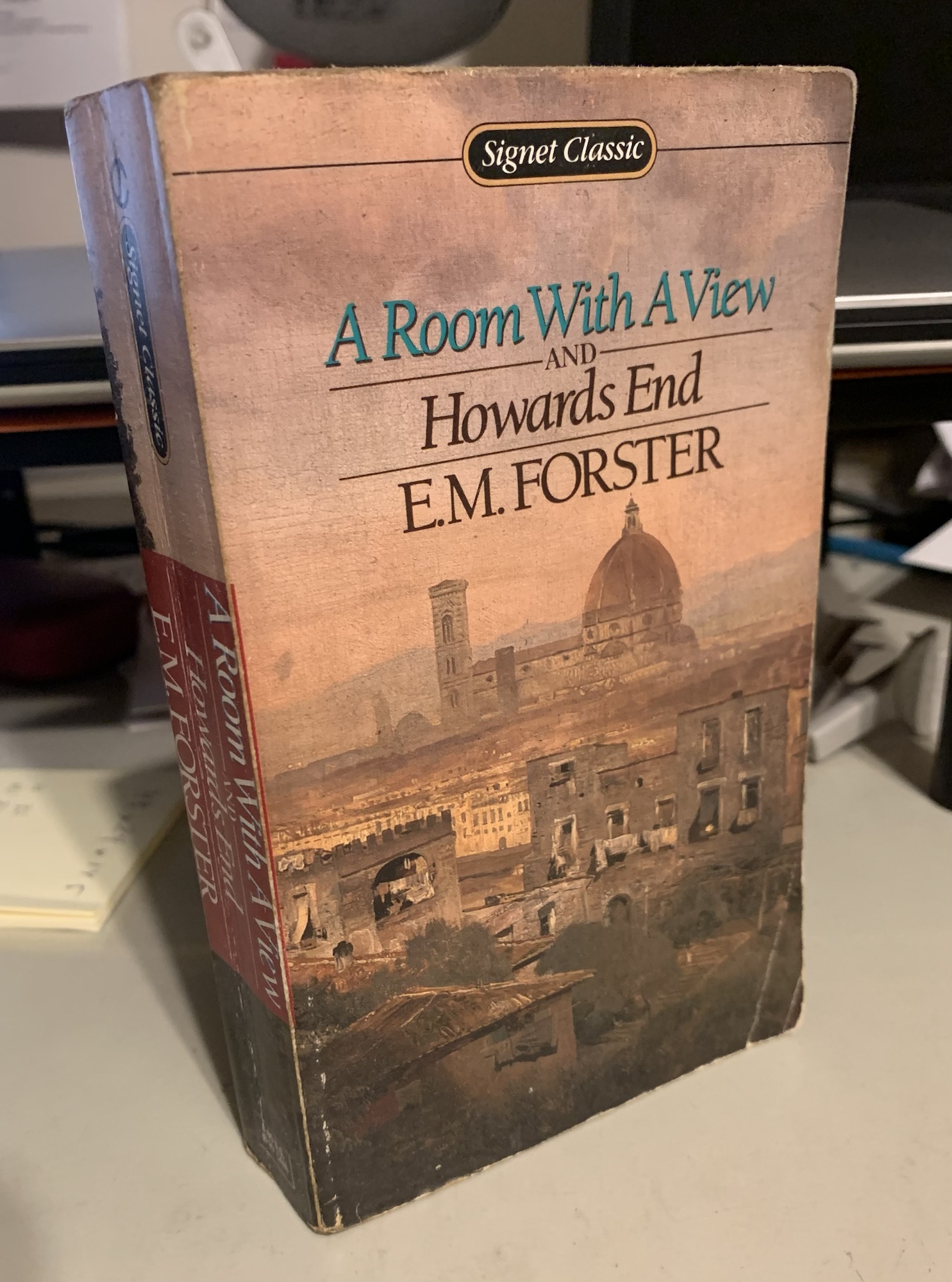
I think I was hoping for one of the lighter books on my list, but I’m still pleased with this spin result. Howards End has been on my to-read list for a very long time — in fact, I have a paperback 2-in-1 edition bundled with A Room with a View (which I’ve read), and I think I must have picked it up over 20 years ago!

I also really enjoyed the TV mini-series (2017) with Hayley Atwell and Matthew Macfadyen, and that heightened my interest in eventually reading the book. Well, the time has come! I have a copy in my Kindle library (approx. 300 pages), and the book is also available via Serial Reader (40 issues), so either way, I shouldn’t have a problem finishing by the spin end date, June 2nd.

What do you think of my newest spin result?

Here’s my list of 20 titles for Classics Club Spin #37:

  1. Frenchman’s Creek by Daphne DuMaurier
  2. The Ghost and Mrs. Muir by R. A. Dick
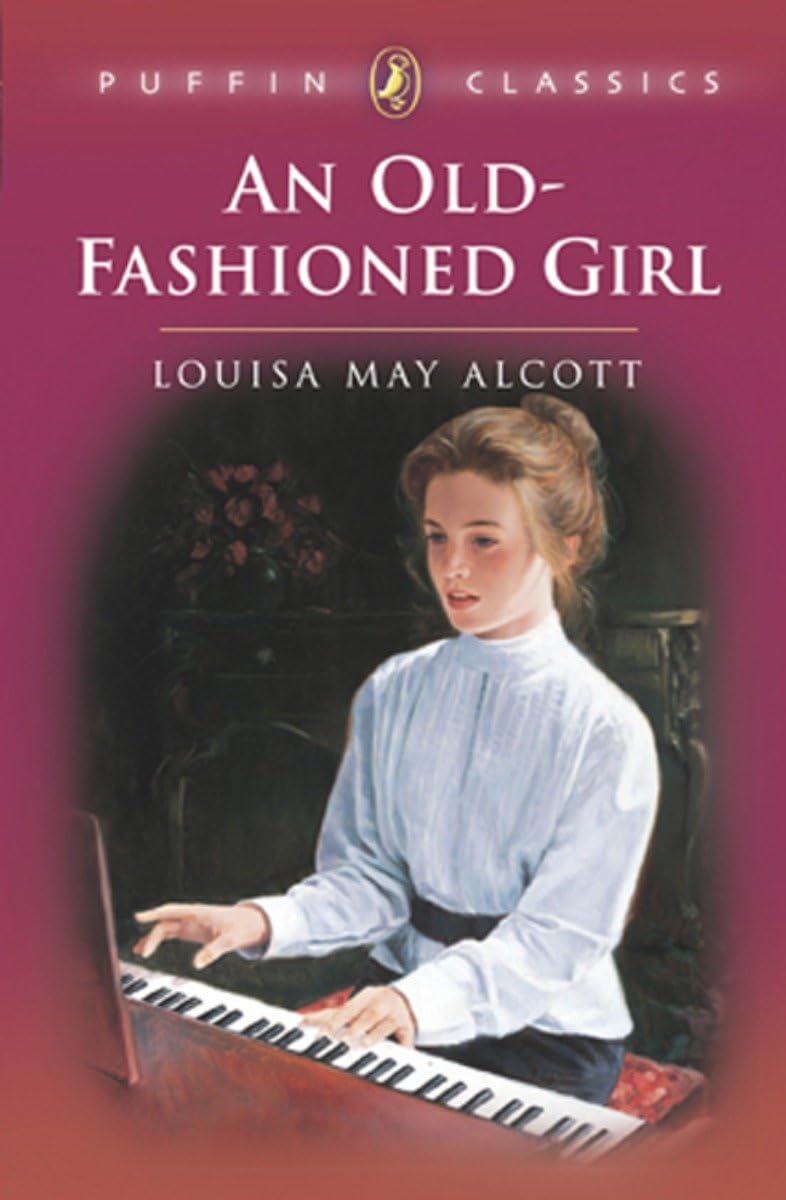
  3. An Old-Fashioned Girl by Louisa May Alcott
  4. Dracula by Bram Stoker
  5. Peony by Pearl Buck
  6. White Fang by Jack London
  7. Black Beauty by Anna Sewell
  8. Howards End by E. M. Forster
  9. The Mysterious Affair at Styles by Agatha Christie
  10. I Capture the Castle by Dodie Smith
  11. The Hobbit by J. R. R. Tolkien
  12. In Cold Blood by Truman Capote
  13. Tevye the Dairyman and Motl the Cantor’s Son by Sholom Aleichem
  14. The Painted Veil by W. Somerset Maugham
  15. Frankenstein by Mary Shelley
  16. The Grapes of Wrath by John Steinbeck
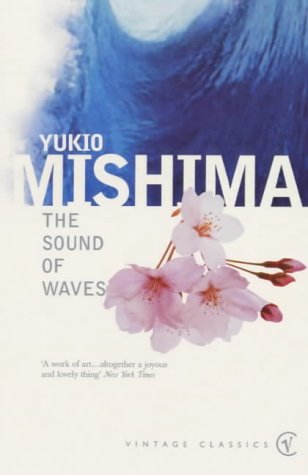
  17. The Sound of Waves by Yukio Mishima
  18. The Mayor of Casterbridge by Thomas Hardy
  19. The Left Hand of Darkness by Ursula K. Le Guin
  20. My Brilliant Career by Miles Franklin

My previous Classics Club Spin books:

Are you participating in this Classics Club Spin? If so, what book will you be reading?

Getting ready for the Spring 2024 Classics Club Spin!

It’s time for another Classics Club Spin!

Hosted by The Classics Club blog, the Classics Club Spin is a reading adventure where participants come up with a list of classics they’d like to read, number them 1 to 20, and then read the book that corresponds to the “spin” number that comes up. This will be my 9th time participating — although for the Classics Club, it’s spin #37!

Here are the dates and guidelines from the host blog:

On Sunday 21st April 2024 we’ll post a number from 1 through 20. The challenge is to read whatever book falls under that number on your Spin List by the 2nd June, 2024.

We’ll check in here on Sunday the 2nd June to see who made it the whole way and finished their spin book!

What’s Next?

  • Go to your blog.
  • Pick twenty books that you’ve got left to read from your Classics Club List.
  • Post that list, numbered 1-20, on your blog before 21st April 2024.
  • We’ll announce a number from 1-20. 
  • Read that book by 2nd June.

Even though my to-read pile for the next few months is on the overwhelming side, I do love these spins and don’t want to miss out. I took the two longest books off my spin list last time around (David Copperfield and The Tenant of Wildfell Hall), and although I’m tempted to add them back, the timing just isn’t right quite yet. So, I’m sticking with the same list as from spin #36, just adding in one new book to replace the one I read.

Here we go!

Here’s my list of 20 classics for the next Classics Club Spin:

  1. Frenchman’s Creek by Daphne DuMaurier
  2. The Ghost and Mrs. Muir by R. A. Dick
  3. An Old-Fashioned Girl by Louisa May Alcott
  4. Dracula by Bram Stoker
  5. Peony by Pearl Buck
  6. White Fang by Jack London
  7. Black Beauty by Anna Sewell
  8. Howards End by E. M. Forster
  9. The Mysterious Affair at Styles by Agatha Christie
  10. I Capture the Castle by Dodie Smith
  11. The Hobbit by J. R. R. Tolkien
  12. In Cold Blood by Truman Capote
  13. Tevye the Dairyman and Motl the Cantor’s Son by Sholom Aleichem
  14. The Painted Veil by W. Somerset Maugham
  15. Frankenstein by Mary Shelley
  16. The Grapes of Wrath by John Steinbeck
  17. The Sound of Waves by Yukio Mishima
  18. The Mayor of Casterbridge by Thomas Hardy
  19. The Left Hand of Darkness by Ursula K. Le Guin
  20. My Brilliant Career by Miles Franklin

Wish me luck! I’ll be back on April 21st to reveal my spin result!

My previous Classics Club spins:

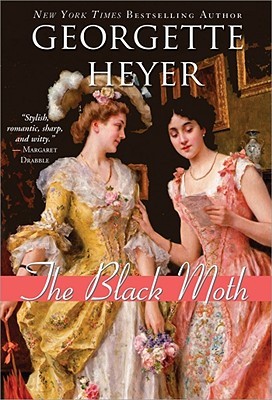
Spring 2022 (CCSpin29): The Black Moth by Georgette Heyer
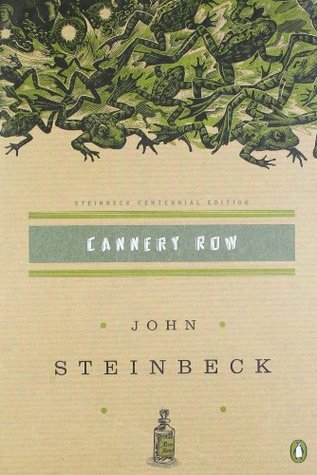
Summer 2022 (CCSpin30): Cannery Row by John Steinbeck
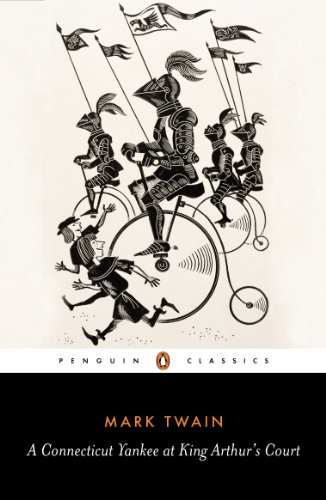
Fall 2022 (CCSpin31): A Connecticut Yankee in King Arthur’s Court by Mark Twain
Winter 2022/2023 (CCSpin32): O Pioneers! by Willa Cather
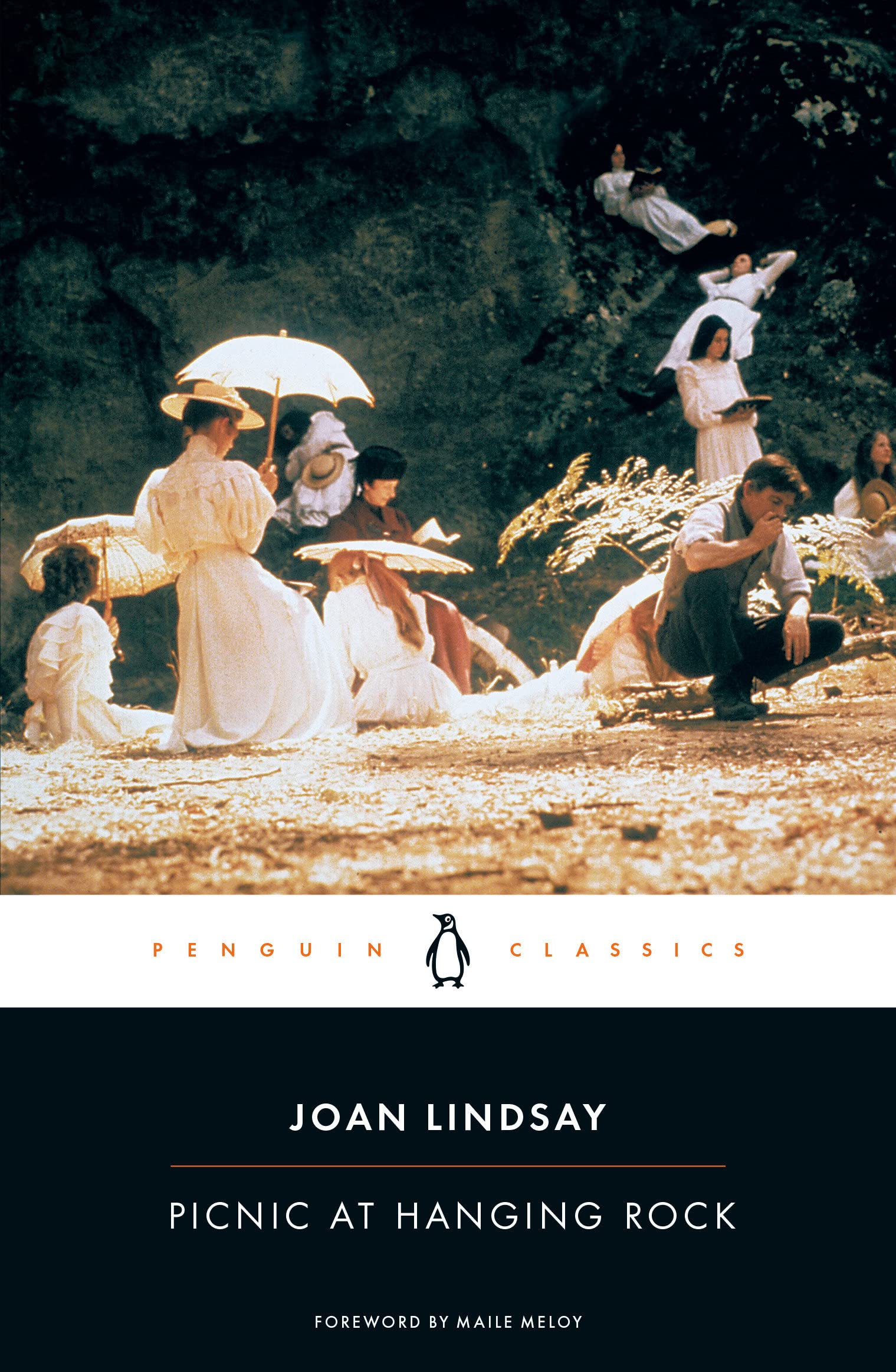
Spring 2023 (CCSpin33): Picnic at Hanging Rock by Joan Lindsay
Summer 2023 (CCSpin34): Herland by Charlotte Perkins Gilman
Fall 2023 (CCSpin35): Cranford by Elizabeth Gaskell
Winter 2024 (CCSpin36): A Night to Remember by Walter Lord

My Classics Club Spin book for winter 2024 will be…

Earlier in the week, I shared a post with my list of books for the newest Classics Club Spin challenge (see it here), and a few days ago, this spin’s number was announced. (For those keeping track, it’s CC Spin #36, and for me personally, #8!)

Hosted by The Classics Club blog, the Classics Club Spin is a reading adventure where participants come up with a list of classics they’d like to read, number them 1 to 20, and then read the book that corresponds to the “spin” number that comes up.

For CCSpin #36, the lucky number is:

And that means I’ll be reading:

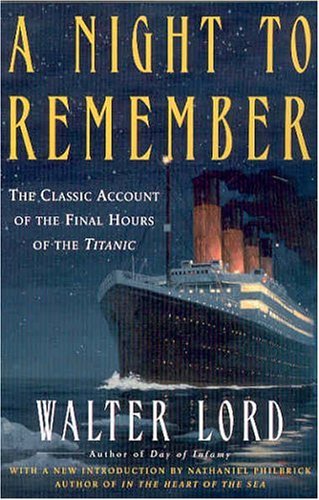
A Night to Remember by Walter Lord (published 1955)

Synopsis:

Lord’s classic bestseller, and the definitive account of the unsinkable ship’s fateful last hours

At first, no one but the lookout recognized the sound. Passengers described it as the impact of a heavy wave, a scraping noise, or the tearing of a long calico strip. In fact, it was the sound of the world’s most famous ocean liner striking an iceberg, and it served as the death knell for 1,500 souls.

In the next two hours and forty minutes, the maiden voyage of the Titanic became one of history’s worst maritime accidents. As the ship’s deck slipped closer to the icy waterline, women pleaded with their husbands to join them on lifeboats. Men changed into their evening clothes to meet death with dignity. And in steerage, hundreds fought bitterly against certain death. At 2:15 a.m. the ship’s band played “Autumn.” Five minutes later, the Titanic was gone.

Based on interviews with sixty-three survivors, Lord’s moment-by-moment account is among the finest books written about one of the twentieth century’s bleakest nights.

I am delighted with this spin result! I’ve read my share of Titanic-related fiction over the years, but somehow never got around to this non-fiction book, which is considered (as the synopsis says) the definitive account of the events of that fateful night. As a plus, A Night to Remember is one of my shorter picks this time around — 182 pages for the Kindle edition — so finishing by March 3rd should not be a problem.

What do you think of my newest spin result?

Here’s my list of 20 titles for Classics Club Spin #36:

  1. Frenchman’s Creek by Daphne DuMaurier
  2. The Ghost and Mrs. Muir by R. A. Dick
  3. An Old-Fashioned Girl by Louisa May Alcott
  4. Dracula by Bram Stoker
  5. Peony by Pearl Buck
  6. White Fang by Jack London
  7. Black Beauty by Anna Sewell
  8. Howards End by E. M. Forster
  9. The Mysterious Affair at Styles by Agatha Christie
  10. I Capture the Castle by Dodie Smith
  11. The Hobbit by J. R. R. Tolkien
  12. In Cold Blood by Truman Capote
  13. Tevye the Dairyman and Motl the Cantor’s Son by Sholom Aleichem
  14. The Painted Veil by W. Somerset Maugham
  15. Frankenstein by Mary Shelley
  16. The Grapes of Wrath by John Steinbeck
  17. The Sound of Waves by Yukio Mishima
  18. The Mayor of Casterbridge by Thomas Hardy
  19. The Left Hand of Darkness by Ursula K. Le Guin
  20. A Night to Remember by Walter Lord

My previous Classics Club Spin books:

Are you participating in this Classics Club Spin? If so, what book will you be reading?

Getting ready for the Winter 2024 Classics Club Spin!

It’s time for another Classics Club Spin!

Hosted by The Classics Club blog, the Classics Club Spin is a reading adventure where participants come up with a list of classics they’d like to read, number them 1 to 20, and then read the book that corresponds to the “spin” number that comes up. This will be my 8th time participating — although for the Classics Club, it’s spin #36!

Here are the dates and guidelines from the host blog:

On Sunday 21st January 2024 we’ll post a number from 1 through 20. The challenge is to read whatever book falls under that number on your Spin List by the 3rd March, 2024..

We’ll check in here on Sunday the 3rd March to see who made it the whole way and finished their spin book!

What’s Next?

  • Go to your blog.
  • Pick twenty books that you’ve got left to read from your Classics Club List.
  • Post that list, numbered 1-20, on your blog before 21st January 2024.
  • We’ll announce a number from 1-20. 
  • Read that book by 3rd March.

I considered not participating this time around, because I already have a pretty stuffed calendar when it comes to reading commitments between now and March. In fact, I’m still a bit on the fence… but I always enjoy these spins, so I don’t really want to sit out.

To keep myself sane, I’m swapping out the two longest books remaining (David Copperfield and The Tenant of Wildfell Hall). Yes, I do still want to read them, but I’ll add them back to my spin list later in the year when the possibility of landing on them won’t stress me out as much! For now, I’m limiting my list to books under 400 pages (and actually loading it up with even shorter books) — I just can’t see being happy with the results otherwise.

Okay, that’s it for preamble! Now for the good stuff…

Here’s my list of 20 classics for the next Classics Club Spin:

  1. Frenchman’s Creek by Daphne DuMaurier
  2. The Ghost and Mrs. Muir by R. A. Dick
  3. An Old-Fashioned Girl by Louisa May Alcott
  4. Dracula by Bram Stoker
  5. Peony by Pearl Buck
  6. White Fang by Jack London
  7. Black Beauty by Anna Sewell
  8. Howards End by E. M. Forster
  9. The Mysterious Affair at Styles by Agatha Christie
  10. I Capture the Castle by Dodie Smith
  11. The Hobbit by J. R. R. Tolkien
  12. In Cold Blood by Truman Capote
  13. Tevye the Dairyman and Motl the Cantor’s Son by Sholom Aleichem
  14. The Painted Veil by W. Somerset Maugham
  15. Frankenstein by Mary Shelley
  16. The Grapes of Wrath by John Steinbeck
  17. The Sound of Waves by Yukio Mishima
  18. The Mayor of Casterbridge by Thomas Hardy
  19. The Left Hand of Darkness by Ursula K. Le Guin
  20. A Night to Remember by Walter Lord

Wish me luck! I’ll be back on January 21st to reveal my spin result!

My previous Classics Club spins:

Spring 2022 (CCSpin29): The Black Moth by Georgette Heyer
Summer 2022 (CCSpin30): Cannery Row by John Steinbeck
Fall 2022 (CCSpin31): A Connecticut Yankee in King Arthur’s Court by Mark Twain
Winter 2022/2023 (CCSpin32): O Pioneers! by Willa Cather
Spring 2023 (CCSpin33): Picnic at Hanging Rock by Joan Lindsay
Summer 2023 (CCSpin34): Herland by Charlotte Perkins Gilman
Fall 2023 (CCSpin35): Cranford by Elizabeth Gaskell

Book Review: Cranford by Elizabeth Gaskell (Classics Club Spin #35)

Title: Cranford
Author: Elizabeth Gaskell
Publication date: 1853
Length: 145 pages
Rating:

Rating: 5 out of 5.

A sampling of synopses:

Elizabeth Gaskell’s portrait of kindness, compassion, and hope

Cranford depicts the lives and preoccupations of the inhabitants of a small village – their petty snobberies, appetite for gossip, and loyal support for each other in times of need This is a community that runs on cooperation and gossip, at the very heart of which are the daughters of the former rector: Miss Deborah Jenkyns and her sister Miss Matty, But domestic peace is constantly threatened in the form of financial disaster, imagined burglaries, tragic accidents, and the reapparance of long-lost relatives.

The women of an English country village star in this Victorian classic that inspired a BBC series, from the author of North and South.   Welcome to Cranford, where everyone knows one another and a cow wears pajamas. It’s a community built on friendship and kindness, where women hold court and most of the houses—and men—are rarely seen. Two colorful spinster sisters at the heart of Cranford, Miss Matty and Miss Deborah Jenkyns, are daughters of the former rector, and when they’re not playing cards or drinking tea, they’re feeding an endless appetite for scandal and weathering commotions to their peaceful lives, from financial troubles to thieves to an unexpected face from the past.   First published in installments in Household Words, a magazine edited by Charles Dickens, Cranford was a hit of its time and today offers modern readers a glimpse into a small English town during the mid-nineteenth century.

Cranford is a lovely snapshot of a time and place. The gentle storytelling paints a portrait of a small village dominated by the various women who rule local society. Men are largely absent or unimportant; it’s the women’s gatherings, chats, rules, and visits that create the atmosphere of this sweet read.

In the first place, Cranford is in possession of the Amazons; all the holders of houses above a certain rent are women. If a married couple come to settle in the town, somehow the gentleman disappears; he is either fairly frightened to death by being the only man in the Cranford parties, or he is accounted for by being with his regiment, his hip, or closely engaged in business all the week in the great neighbouring commercial town of Drumble, distant only twenty miles on a railroad. In short, whatever does become of the gentlemen, they are not at Cranford.

Narrated by Mary Smith, whose name we don’t actually learn until late in the book, Cranford depicts a series of events in the lives of the community. We quickly discover who sets the tone and who follows along; who is considered respectable and who is most decidedly not. Whether it’s the matter of clothing or when to burn candles, there are rules for everything, and woe to those who don’t follow the rules!

There isn’t much of a plot; rather, Cranford is a series of vignettes of the characters’ lives, covering silly events (such as a visiting magician) as well as deaths, marriages, births, and the loss of fortunes. While some characters appear to be ridiculously rule-bound, there are moments of loveliness when the various residents of Cranford come together to offer help and support, often without the recipient having any idea of how much is being done for them (so as not to damage their pride).

The writing is often quite funny:

“Mrs Forrester … sat in state, pretending not to know what cakes were sent up, though she knew, and we knew, and she knew that we knew, and we knew that she knew that we knew, she had been busy all the morning making tea-bread and sponge-cakes.”

And yet, the story includes sad moments as well — stories of lost love, estranged family members, and sudden accidents.

Overall, Cranford is a gentle read, full of humor and sharp descriptions, but it is also kind and generous, even with the more ridiculous of the characters.

I’m glad to have read this little gem. Once again, another terrific read thanks to a Classics Club Spin!

My Classics Club Spin book for fall 2023 will be…

Last week, I shared a post with my list of books for the newest Classics Club Spin challenge (see it here), and a few days ago, this spin’s number was announced. (For those keeping track, it’s CC Spin #35, and for me personally, #7!)

Hosted by The Classics Club blog, the Classics Club Spin is a reading adventure where participants come up with a list of classics they’d like to read, number them 1 to 20, and then read the book that corresponds to the “spin” number that comes up.

For CCSpin #35, the lucky number is:

And that means I’ll be reading:

Cranford by Elizabeth Gaskell (published 1853)

Synopsis:

The women of an English country village star in this Victorian classic that inspired a BBC series, from the author of North and South.
 
Welcome to Cranford, where everyone knows one another and a cow wears pajamas. It’s a community built on friendship and kindness, where women hold court and most of the houses—and men—are rarely seen. Two colorful spinster sisters at the heart of Cranford, Miss Matty and Miss Deborah Jenkyns, are daughters of the former rector, and when they’re not playing cards or drinking tea, they’re feeding an endless appetite for scandal and weathering commotions to their peaceful lives, from financial troubles to thieves to an unexpected face from the past.
 
First published in installments in Household Words, a magazine edited by Charles Dickens, Cranford was a hit of its time and today offers modern readers a glimpse into a small English town during the mid-nineteenth century.

In case you’re wondering — yes, I’m happy with this spin! I’d been holding my breath thinking that I’d end up with a really long book this time around, and I’m perfectly content not to feel that kind of pressure. At 145 pages, Cranford should be very doable… and we have until December 3rd to finish our spin books this time around.

What do you think of my newest spin result?

Here’s my list of 20 titles for Classics Club Spin #35:

  1. Frenchman’s Creek by Daphne DuMaurier
  2. Cranford by Elizabeth Gaskell
  3. An Old-Fashioned Girl by Louisa May Alcott
  4. Dracula by Bram Stoker
  5. Peony by Pearl Buck
  6. David Copperfield by Charles Dickens
  7. The Tenant of Wildfell Hall by Anne Bronte
  8. Howards End by E. M. Forster
  9. The Mysterious Affair at Styles by Agatha Christie
  10. I Capture the Castle by Dodie Smith
  11. The Silmarillion by J. R. R. Tolkien
  12. In Cold Blood by Truman Capote
  13. Tevye the Dairyman and Motl the Cantor’s Son by Sholom Aleichem
  14. The Painted Veil by W. Somerset Maugham
  15. Frankenstein by Mary Shelley
  16. The Grapes of Wrath by John Steinbeck
  17. The Sound of Waves by Yukio Mishima
  18. The Mayor of Casterbridge by Thomas Hardy
  19. The Left Hand of Darkness by Ursula K. Le Guin
  20. A Night to Remember by Walter Lord

My previous Classics Club Spin books:

Are you participating in this Classics Club Spin? If so, what book will you be reading?

Getting ready for the Fall 2023 Classics Club Spin!

It’s time for another Classics Club Spin!

Hosted by The Classics Club blog, the Classics Club Spin is a reading adventure where participants come up with a list of classics they’d like to read, number them 1 to 20, and then read the book that corresponds to the “spin” number that comes up. This will be my 7th time participating — although for the Classics Club, it’s spin #35!

Here are the dates and guidelines from the host blog:

On Sunday 15th, October, we’ll post a number from 1 through 20. The challenge is to read whatever book falls under that number on your Spin List by the 3rd December, 2023.

We’ll check in here on Sunday the 3rd December to see who made it the whole way and finished their spin book!

What’s Next?

  • Go to your blog.
  • Pick twenty books that you’ve got left to read from your Classics Club List.
  • Post that list, numbered 1-20, on your blog before Sunday, 15th October.
  • We’ll announce a number from 1-20. 
  • Read that book by 3rd December.

I’m a little nervous this time around, because my reading schedule already feels overstuffed with a couple of big books related to group reads. I’m tempted to drop the longer books from my list… and yet, with a month and a half to get it done, even something on the lengthier side might be possible. Maybe. Fingers crossed.

Okay, sticking with the list I already had going, and just adding in the replacements for books I’ve already read…

Here’s my list of 20 classics for the next Classics Club Spin:

  1. Frenchman’s Creek by Daphne DuMaurier
  2. Cranford by Elizabeth Gaskell
  3. An Old-Fashioned Girl by Louisa May Alcott
  4. Dracula by Bram Stoker
  5. Peony by Pearl Buck
  6. David Copperfield by Charles Dickens
  7. The Tenant of Wildfell Hall by Anne Bronte
  8. Howards End by E. M. Forster
  9. The Mysterious Affair at Styles by Agatha Christie
  10. I Capture the Castle by Dodie Smith
  11. The Silmarillion by J. R. R. Tolkien
  12. In Cold Blood by Truman Capote
  13. Tevye the Dairyman and Motl the Cantor’s Son by Sholom Aleichem
  14. The Painted Veil by W. Somerset Maugham
  15. Frankenstein by Mary Shelley
  16. The Grapes of Wrath by John Steinbeck
  17. The Sound of Waves by Yukio Mishima
  18. The Mayor of Casterbridge by Thomas Hardy
  19. The Left Hand of Darkness by Ursula K. Le Guin
  20. A Night to Remember by Walter Lord

Wish me luck! I’ll be away on October 15th and for the week following, but I’ll share my spin result once I’m back online.

My previous Classics Club spins:

Spring 2022 (CCSpin29): The Black Moth by Georgette Heyer
Summer 2022 (CCSpin30): Cannery Row by John Steinbeck
Fall 2022 (CCSpin31): A Connecticut Yankee in King Arthur’s Court by Mark Twain
Winter 2022/2023 (CCSpin32): O Pioneers! by Willa Cather
Spring 2023 (CCSpin33): Picnic at Hanging Rock by Joan Lindsay
Summer 2023 (CCSpin34): Herland by Charlotte Perkins Gilman

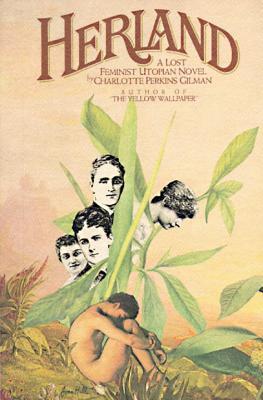
Book Review: Herland by Charlotte Perkins Gilman (Classics Club Spin #34)

Title: Herland
Author: Charlotte Perkins Gilman
Publication date: 1915
Length: 147 pages
Rating:

Rating: 4 out of 5.

Synopsis (Goodreads):

A prominent turn-of-the-century social critic and lecturer, Charlotte Perkins Gilman is perhaps best known for her short story “The Yellow Wallpaper,” a chilling study of a woman’s descent into insanity, and Women and Economics, a classic of feminist theory that analyzes the destructive effects of women’s economic reliance on men.

In Herland, a vision of a feminist utopia, Gilman employs humor to engaging effect in a story about three male explorers who stumble upon an all-female society isolated somewhere in South America. Noting the advanced state of the civilization they’ve encountered, the visitors set out to find some males, assuming that since the country is so civilized, “there must be men.” A delightful fantasy, the story enables Gilman to articulate her then-unconventional views of male-female roles and capabilities, motherhood, individuality, privacy, the sense of community, sexuality, and many other topics.

Decades ahead of her time in evolving a humanistic, feminist perspective, Gilman has been rediscovered and warmly embraced by contemporary feminists. An articulate voice for both women and men oppressed by the social order of the day, she adeptly made her points with a wittiness often missing from polemical writings.

Herland by Charlotte Perkins Gilman is an ahead-of-its-time feminist novel imaging a secret society of women living in an isolated utopia that’s existed for 2,000 years. The plot is narrated by one of a trio of male explorers who “discover” Herland and must learn to adapt to its highly evolved society.

According to Wikipedia:

Herland is a utopian novel from 1915, written by American feminist Charlotte Perkins Gilman. The book describes an isolated society composed entirely of women, who bear children without men (parthenogenesis, a form of asexual reproduction). The result is an ideal social order: free of war, conflict, and domination. It was first published in monthly installments as a serial in 1915 in The Forerunner, a magazine edited and written by Gilman between 1909 and 1916, with its sequel, With Her in Ourland beginning immediately thereafter in the January 1916 issue. The book is often considered to be the middle volume in her utopian trilogy, preceded by Moving the Mountain (1911). It was not published in book form until 1979.

As the book opens, narrator Van and his traveling partners, Terry and Jeff, become obsessed with the idea of locating a hidden land that’s rumored to be inhabited only by women. The men are all scientists of one sort or another, and each has his own attitude toward women. All find it hard to believe that such a place could actually exist, but they finally organize an expedition to discover the truth.

Before arrival, they seem to share a belief that there must be men in this land somewhere, whether residents or occasional guests. How else could this society continue to exist? As well, there’s a doubt about a society of women’s ability to manage — they can’t conceive of women as builders, providers, or growers, and deduce that they must have men’s help. On the other hand, Terry is the womanizer of the group, and while he’s doubtful about the rumors, he’s also sure that a group of women deprived of male company will be absolutely delighted to have him in their midst.

Once the men arrive in Herland, it becomes clear that their expectations are completely off-base. After initial tensions that seem likely to erupt into violence, the men are treated as guests — although without permission or opportunity to leave, they’ve more like gently-treated prisoners. They’re provided shelter, food, and clothing, and the women of Herland begin a lengthy, patient process of teaching the men their ways, culture, and habits.

The men are astonished — Herland is civilized and thriving, with beautiful cities, rich agriculture, and swarms of happy, healthy children. Motherhood is valued above all else, and the women eventually teach the men how their country came to be, and how parthenogenesis spontaneously occurred many generations back, allowing their people to continue to reproduce and flourish.

The men bring with them the expected sexism of their time, and only Terry seems to find it difficult to let the old attitudes go once faced with the reality of a women’s utopia.

Herland examines early 20th century attitudes toward femininity and masculinity, gender-based social roles, appearance and age, and the dynamics of relationships and marriage. Nothing is as the men expect, and their firmly-held beliefs about women’s abilities, about the purpose and goals of wives and mothers, and about the necessity of men to a healthy society are all proved wrong, time and time again.

The writing flows well and contains plenty of amusing outbursts and exclamations each time the men discover some new and unexpected aspect of Herland. I had to laugh over Van’s description of the clothing they’re provided with:

I see that I have not remarked that these women had pockets in surprising number and variety. They were in all their garments, and the middle one in particular was shingled with them.

See? Even in 1915, it’s clear that women’s clothing with pockets absolutely ruled.

After hearing about Herland for years, I’m glad to have finally read it. There is apparently a sequel, With Her In Ourland, which follows immediately upon the events of Herland, showing what happens when a woman from Herland accompanies the men back to the United States. Right now, I don’t feel all that inclined to read the sequel, although I may come back to it at some point down the road.

All in all, Herland is a fast, enjoyable read, with a style reminiscent of the works of H. G. Wells, The Lost World by Arthur Conan Doyle, or other adventure tales of the era. Herland provides a compelling look at the state of feminist theory and literature in the early 20th century. It’s a fascinating story about cultural and gender-based biases and expectations from that time, and has many concepts and situations that resonate even today.

Another terrific read thanks to a Classics Club Spin!