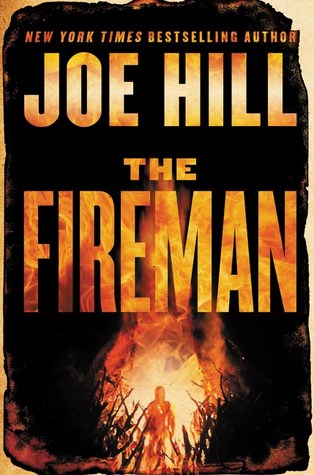
Book Review: The Fireman by Joe Hill

The FiremanAll the stars. This book deserves all the stars. For a 700+ page book, it sure goes down like candy. I raced through it, and now I’m mad that I’m done, because I want to spend more time in the story!

So yes, I guess you’ve figured out up front that this is a rave review. No big surprise: This is Joe Hill’s 4th novel, and it’s the 4th Joe Hill novel that I’ve loved.

I associate Joe Hill with scary-ass horror, but surprisingly, I wouldn’t call The Fireman a horror story at all. What it is, exactly, is a bit harder to put my finger on, but if I had to come up with a description, I’d say that The Fireman is a post-apocalyptic love story, with crazed dystopian power struggles and hypnotic religious leaders and dangerous cults. And that’s just scratching the surface.

Main character Harper Willowes is a nurse, of the best spit-spot Mary Poppins ilk. She entertains school children with her no-nonsense cheeriness, while helping the medicine go down with a spoonful of sugar. As the story opens, Harper is treating a young boy in the school nurse’s office when she sees a man burn to death out in the yard.

Why did the man burn to death? Because there’s a worldwide pandemic just starting to erupt. Originally seen as a third world problem, the spread of Draco incendia trychophyton — Dragonscale — quickly grabs first-world attention when it starts showing up in cities across the US and other so-called civilized countries.

Dragonscale victims first exhibit black streaks across their bodies, often quite beautiful and flecked with gold, before bursting into flames. Yes. Bursting into flames. Sufferers of Dragonscale are fated to self-combust after several weeks or months, and there’s nothing that can prevent it. Unfortunately, as people burst into flames, they tend to take buildings — schools, hospitals, neighborhoods, even the Space Needle — with them, and soon huge swathes of the country and the world are consumed by fire and ash.

Harper treats the infected while clothed in Ebola-level hazard-prevention attire, but still becomes infected herself, right after discovering she’s pregnant. And here’s where Harper’s husband goes a tad psycho, determined that they should kill themselves together rather than waiting for a fiery end. But Harper doesn’t want to, and Jakob’s insistence on their beautiful co-suicide turns ugly and violent, until Harper barely escapes with her life.

What she escapes to is a group of refugee people, all infected with Dragonscale, who live as a collective in hiding at an abandoned camp, where they learn to control the Dragonscale through their communal worship and connection. It’s cool, but quickly becomes a bit too group-think/hive-mind, as the kindly man overseeing the camp is succeeded by his more fanatical daughter.

Alrighty, I’ll stop with the synopsis. Either this is the type of story to absolutely grab you… or it’s just not for you.

I loved it. I think I’ve made that clear. Joe Hill sure can tell a story. The characters are so distinct and well-drawn. I could picture and hear them all as we went along. The Dragonscale pandemic is fascinating. I loved the origin of the disease and its explanation, the cause, the spreading mechanism, and the explanation of the way the group singing acts to control the combustion.

There’s a lot of humor in the writing itself and in the characters’ often quirky attitudes and sense of humor. I found it completely hilarious that Joe Hill kept throwing in little mentions of all the dead celebrities throughout the book. Imagine being one of them and finding out that you’d been fictionally killed off by a horrible infection! For example…

They were showing footage from last night’s Celtic game, just like nothing was happening. Isaiah Thomas rose up on his toes, fell backward, and let go of the basketball, hit a shot from nearly half court. They didn’t know it then, but by the end of the following week, the basketball season would be over. Come summer, most of the Celtics would be dead, by incineration or suicide.

Then Glenn Beck burned to death on his Internet program, right in front of his chalkboard, burned so hot his glasses fused to his face, and after that most of the news was less about who did it and more about how not to catch it.

The other guns went off, all together, firecrackers on a July night. Muzzles flashed, like paparazzi snapping shots of George Clooney as he climbed out of his limousine. Although George Clooney was dead, had burned to death while on a humanitarian aid mission to New York City.

There are more, but I won’t spoil the surprise (can I even call it fun?) of stumbling across these morbid pop cultural references. There’s even a little throw-away reference to Christmas-land — and that name alone should strike fear into the hearts of anyone who read Hill’s previous novel, NOS4A2.

The Fireman has several parts, focusing first on the end of the world as we know it via the deadly Dragonscale and its fires, then life at the camp and the new society that forms there, and then again in a quest for peace and refuge. Throughout, there are scenes of personal connection, touching and deeply felt, as well as intense and brutal action sequences that are insanely pulse-pounding.

This is a long book, but it flies by. I loved the characters, especially Nurse Harper and the titular Fireman, but also the orphaned children and the loving older woman who become part of Harper’s circle of protection, her new-found family.

The ending is stunning and satisfying, and yet I want more! So far, Joe Hill hasn’t shown a tendency to repeat himself or revisit worlds from earlier books, but damn, I wish there were more to this story. I want to know what happens next!

If you enjoy suspense, destruction, unusual and strong characters, and yes, even love stories, The Fireman is absolutely worth checking out.

Have you read The Fireman? Or have I convinced you to give it a try? I’d love to hear what you think!

For more on Joe Hill’s books, check out my reviews of:
Horns
NOS4A2

_________________________________________

The details:

Title: The Fireman
Author: Joe Hill
Publisher: William Morrow
Publication date: May 17, 2016
Length: 768 pages
Genre: Post-apocalyptic/horror/dystopian
Source: Purchased
Take A Peek Book Review: Rush Oh! by Shirley Barrett

“Take a Peek” book reviews are short and (possibly) sweet, keeping the commentary brief and providing a little peek at what the book’s about and what I thought.

Rush Oh

Synopsis:

(via Goodreads)

An impassioned, charming, and hilarious debut novel about a young woman’s coming-of-age, during one of the harshest whaling seasons in the history of New South Wales.

1908: It’s the year that proves to be life-changing for our teenage narrator, Mary Davidson, tasked with providing support to her father’s boisterous whaling crews while caring for five brothers and sisters in the wake of their mother’s death. But when the handsome John Beck — a former Methodist preacher turned novice whaler with a mysterious past — arrives at the Davidson’s door pleading to join her father’s crews, suddenly Mary’s world is upended.

As her family struggles to survive the scarcity of whales and the vagaries of weather, and as she navigates sibling rivalries and an all-consuming first love for the newcomer John, nineteen-year-old Mary will soon discover a darker side to these men who hunt the seas, and the truth of her place among them.

Swinging from Mary’s own hopes and disappointments to the challenges that have beset her family’s whaling operation, RUSH OH! is an enchanting blend of fact and fiction that’s as much the story of its gutsy narrator’s coming-of-age as it is the celebration of an extraordinary episode in history.


My Thoughts:

If you’d asked me a few weeks ago whether I’d be interested in reading a book about whaling in Australia in the early 1900s, well… let’s just say the odds wouldn’t be in favor of a yes.

So I’m completely delighted to report that Rush Oh! is an awesome, funny, moving, and highly enjoyable read!

The historical elements are amazing, even more so after reading the author’s notes and discovering that the Davidsons were a real family, and that the snippets of breathless newspaper coverage about the whaling crews and their captain are all taken from the actual newspaper accounts of the time.

At times, Rush Oh! has an almost Austen-esque feel to it. Narrator Mary has a somewhat distorted view of her own talents and attractions, so her telling of the story is full of her own little oddities and self-flatteries. At the same time, she bears witness to her father’s fearless leadership and nobility — which comes through even in the most brutal moments of a whale hunt.

The whale hunts themselves are sometimes harrowing and sometimes humorous. The whaling crews of Twofold Bay are assisted by a pod of Killers (orcas), who corral the humpbacks and other whales that wander into the bay, acting with viciousness as well as playfulness, almost like water-dwelling sheepdogs. The Killers are looked on fondly by the townsfolk, each known by name and personality, and seem to have almost celebrity status. What’s really amazing is that these Killers really were a part of the history of Eden in New South Wales, just as described and with the names used in the novel — Tom, the leader, and his cohorts including Hooky, Humpy, and more.

Sounds weird, doesn’t it? But trust me — Rush Oh! is a pure delight to read. Mary’s narration is so funny and quirky, the story of the whaling crew is completely engaging, and the local customs and gossip really are straight out of a comedy of manners. I gobbled up this book in one day, but I think I’ll need to come back to it and savor it again more slowly.

_________________________________________

The details:

Title: Rush Oh!
Author: Shirley Barrett
Publisher: Little, Brown and Company
Publication date: March 22, 2016
Length: 368 pages
Genre: Fantasy/contemporary/adult
Source: Review copy courtesy of the publisher via NetGalley

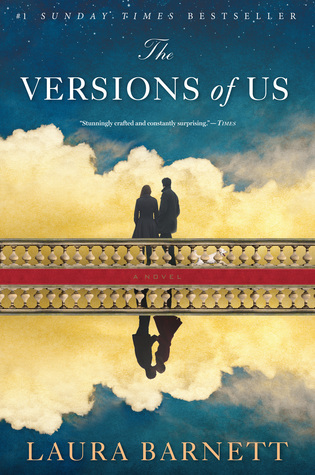
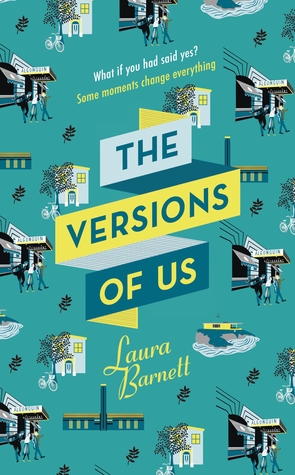
Book Review: The Versions of Us by Laura Barnett

Versions of Us

UK edition, published January 1, 2015

Are some people meant to be in our lives, no matter what?

In The Versions of Us, author Laura Barnett poses questions about fate and destiny, love and family, and what “meant to be” really means after all. In this amazingly clever and affecting debut novel, we see three versions of the same lives, and how simple decisions and chance encounters can lead to dramatically different outcomes.

In Version One, Eva and Jim meet at Cambridge as students hurrying across campus. An accidental tire puncture brings them together, and there’s an instant connection. But in Version Two, they don’t meet. Instead, Eva is involved with her boyfriend David, a ridiculously handsome theater student with a promising acting career about to take off. And in Version Three, Eva and Jim do meet and fall in love — but after their brief time together, Eva returns to David for practical reasons, and she and  Jim move off into separate orbits.

From here, we follow Eva and Jim through their increasingly complicated lives, together and apart. In one version, they marry and start a life together. In another, they have completely separate lives, but feel drawn together the one time they end up meeting. In another, they spend decades apart, yet never forget the brief love they shared.

Meanwhile, each version has its own expanding universe, with family, friends, lovers, children, careers successful and thwarted, and all the sorts of changes and opportunities that real life involves. Over the years, we see Eva and Jim experience pain, loss, and love; parenthood, betrayal, friendship, and more. The parallels and differences between the three versions are startling — artistic success in one is mirrored by lack of inspiration and progress in another, and a healthy marriage may find its twin in a marriage of distance and polite indifference.

Through it all, Eva and Jim have shining moments. Their characters remain true, wherever their paths take them. Various friends and relatives show up in all versions, although the people and places and meanings may change.

It’s really a remarkable feat that the author has achieved in The Versions of Us. It’s partly a puzzle, sorting out how small decisions result in huge variances between the versions of Eva and Jim’s lives. It’s also a study of the human heart. Eva and Jim are both dedicated to love, family, and responsibility, and try to do the right thing. The little changes early on from one version to the next result in larger disparities in the outcome of their lives, yet certain pieces remain constant no matter where they end up and no matter the version of their lives.

US edition, published May 3, 2016

US edition, published May 3, 2016

The Versions of Us is a unique approach to storytelling, proceeding in chronological order while showing three versions of the same people’s lives. The cover blurb describes the book as “One Day meets Sliding Doors“, and that’s fairly apt, as far as it goes. The Versions of Us also reminded me of Maybe In Another Life by Taylor Jenkins Reid (review), which I also loved.

It seems rare these days to find a love story that covers an entire life — and here, we see the course of love and devotion over three versions of the same lives. Over the span of 60 or so years, we follow Eva and Jim, seeing not just young, giddy first love, but the ups and downs of marriage, the stress of illness and loss on a relationship, the pressures of parenthood, and the impact of aging. This may make the book seem depressing, but it’s not. The overriding sentiment is one of hope and genuine heart. No matter the challenges, there’s a goodness and sense of caring that flow through all three versions of the story. Each version works out quite differently, but the true emotions and connections remain constant.

I did find it challenging, at times, to keep the details straight, as the chapters go from one version to another throughout the book. Names, number, and genders of children are all different from version to version; careers and spouses vary as well. Still, despite having to flip backward a few times to figure out which version of the story includes which details, it’s worth the effort to concentrate and keep track.

Sigh. I loved this book. I’m a romantic at heart, I guess. But here’s why I loved it — the romance isn’t treacly or all shooting stars and rainbows. And really, I suppose I should say that it’s about love — so many versions of love — rather than romance. It’s about love throughout a lifetime, and how it changes and grows and sometimes fades, but always leaves a mark. It’s about how our choices define our lives in so many big and small ways. And it’s about how the important people in our lives are so vital to us that it seems unimaginable to have a version of life without them.

Between the emotions, the terrific storytelling, and the unusual approach to the narrative, The Versions of Us is one of the most special reads I’ve had the pleasure of experiencing in quite a while. Don’t miss it.

Publication note: The Versions of Us was published in the UK last year, and was just released (with a shiny new cover) in the US this month.

_________________________________________

The details (US edition):

Title: The Versions of Us
Author: Laura Barnett
Publisher: Houghton Mifflin Harcourt
Publication date: May 3, 2016
Length: 416 pages
Genre: Contemporary fiction
Source: Purchased

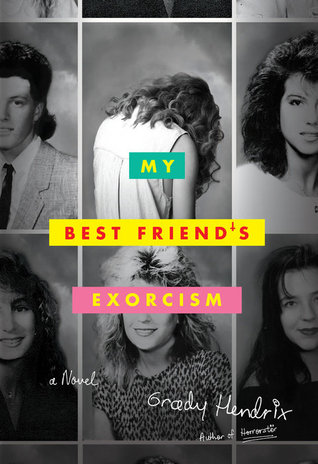
Book Review: My Best Friend’s Exorcism by Grady Hendrix

My Best Friends ExorcismThis goofy, spooky, surprisingly touching novel by the author of the amazing Horrorstör (reviewed here; you know, the book that looks like an Ikea catalog!) hit just the right spot for me this week. It’s an entertaining, light read that also contains moments of horror, deeply icky things, and a descent into either madness or evil, depending on how you look at it.

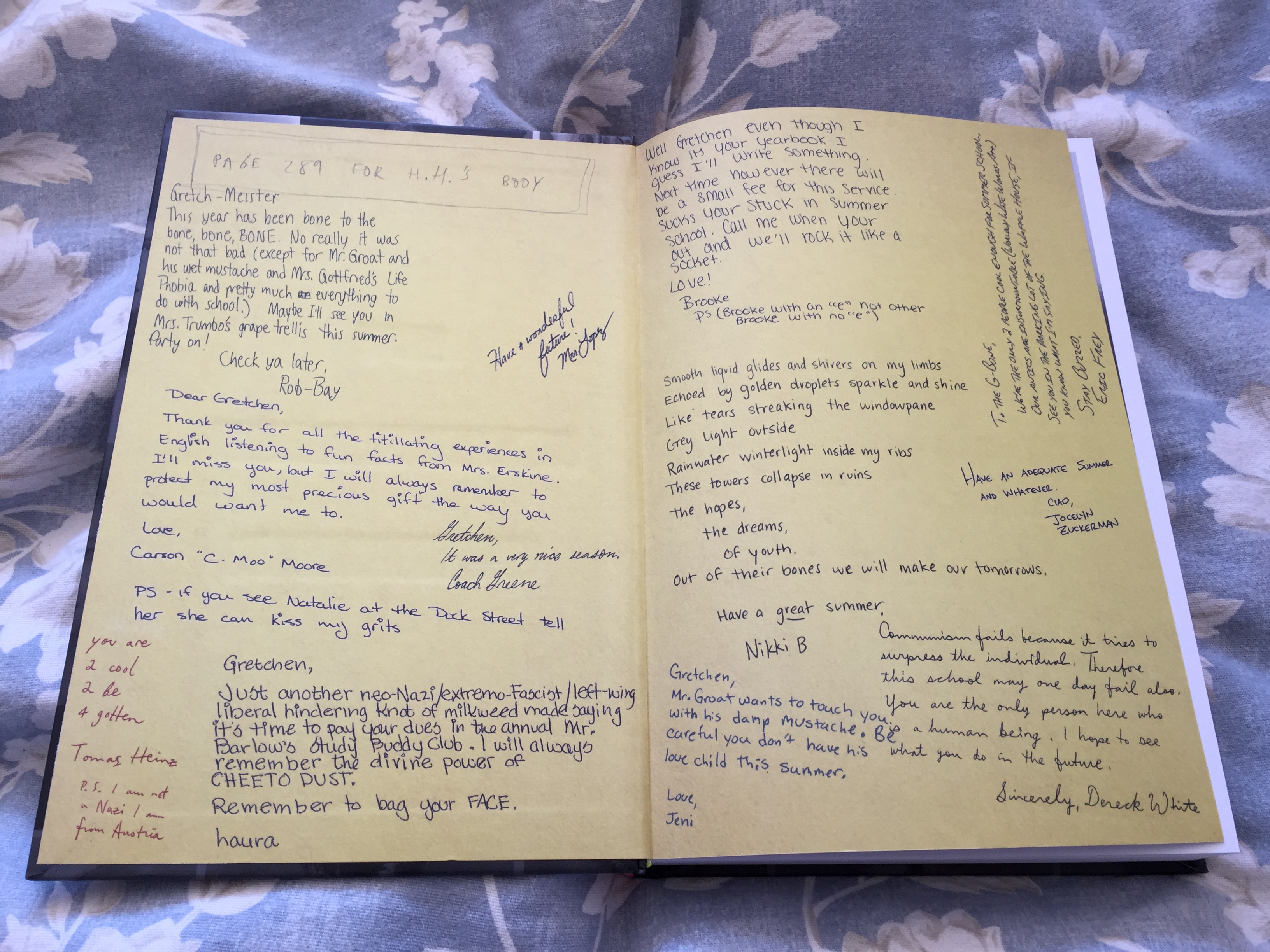
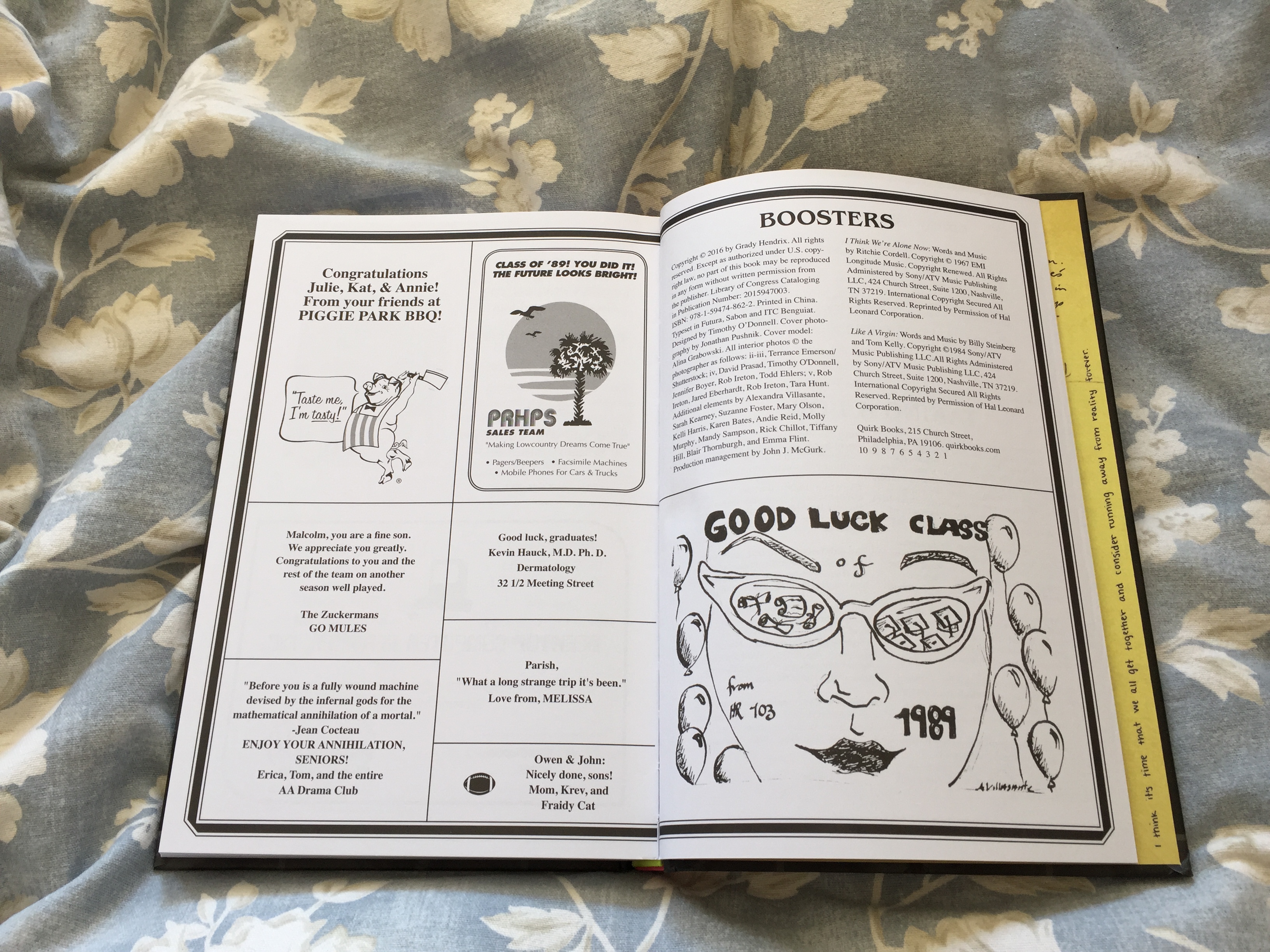
The inside covers and pages at front and back mimic a high school yearbook, and it’s pretty hilarious. We see a combination of silly in-jokes, clueless teacher signatures, and even the standard, meaningless “have a great summer!”.

MBFE takes place in the 1980s, and takes full advantage of the music and clothing to create an air of nostalgia that’s fun and a bit cringe-worthy. E.T. posters and roller rinks and Merit Menthols abound. Kids worry about getting VD, and Geraldo Rivera airs an explosive exposé of satanism.

The best friends of the title are Abby and Gretchen. Abby is from a poor family, but her BFFs are part of the old-money Charleston elite. They attend a ritzy private school (Abby on scholarship), where the student handbook is the Bible. An upright life is expected, although money buys a certain amount of latitude for the more privileged students.

imageAbby and Gretchen have been best friends since fourth grade, and their closest circle includes two more rich girls, Margaret and Glee. They’re all spoiled and lazy (except Abby, who works non-stop to afford the things she can’t expect from her do-nothing parents), and one bored summer evening, something goes wrong. After taking an exploratory hit of acid (which does nothing for any of the girls), Gretchen decides to skinny deep in the river… and disappears into the woods, only to be found the next morning, naked, covered with mud, and offering no explanation for what’s happened.

imageThings get weird. Gretchen withdraws into herself. She stops bathing and changing her clothes. She shuts out her friends and begins to alienate everyone. Abby is the only one who refuses to be pushed away, but when she tried to get help for Gretchen, she ends up shunned herself. And things go from bad to worse, as the people around Gretchen begin to have weird and dangerous and scary developments in their lives.

Author Grady Hendrix nails the gross and disturbing bits, from disgusting smells to suicidal flocks of birds to horrible skin outbreaks. I suppose for teen girls, bad acne could be supposed to be demonic! But beneath the horror elements, there’s also a compelling story about friendship and devotion, and the lengths to which best friends will go to save one another.

The 80s vibe is pitch-perfect, with extra points for excellent use of the Go-Gos and Phil Collins lyrics.

image

I read My Best Friend’s Exorcism all in one day, and really just had a great time with it. The grosser, ickier moments are balanced out by Abby’s internal strength and resourcefulness, her dedication to saving Gretchen, and the spot-on depiction of high school cruelty and power plays. The Charleston setting is a nice plus too.

This is a horror spoof, and there’s plenty of humor, but really — take me seriously when I say that if you tend to be squeamish about things like tapeworms, cadaver labs, and horrible skin conditions, you might want to skip this one. But, if you enjoy the horror genre and don’t mind when things get squicky for the sake of a good story, check it out!

_________________________________________

The details:

Title: My Best Friend’s Exorcism
Author: Grady Hendrix
Publisher: Quirk Books
Publication date: May 17, 2016
Length: 336 pages
Genre: Horror
Source: Review copy courtesy of Quirk Books

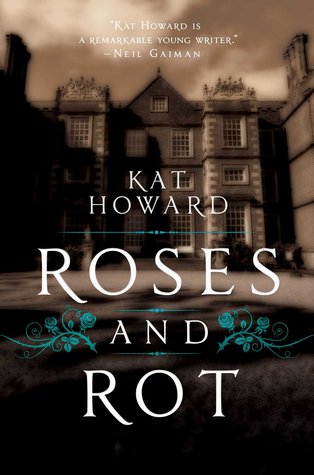
Take A Peek Book Review: Roses and Rot by Kat Howard

“Take a Peek” book reviews are short and (possibly) sweet, keeping the commentary brief and providing a little peek at what the book’s about and what I thought.

Roses and Rot

Synopsis:

(via Goodreads)

Imogen and her sister Marin have escaped their cruel mother to attend a prestigious artists’ retreat, but soon learn that living in a fairy tale requires sacrifices, be it art or love.

What would you sacrifice in the name of success? How much does an artist need to give up to create great art?

Imogen has grown up reading fairy tales about mothers who die and make way for cruel stepmothers. As a child, she used to lie in bed wishing that her life would become one of these tragic fairy tales because she couldn’t imagine how a stepmother could be worse than her mother now. As adults, Imogen and her sister Marin are accepted to an elite post-grad arts program—Imogen as a writer and Marin as a dancer. Soon enough, though, they realize that there’s more to the school than meets the eye. Imogen might be living in the fairy tale she’s dreamed about as a child, but it’s one that will pit her against Marin if she decides to escape her past to find her heart’s desire.


My Thoughts:

If a book has haunting imagery and some terrific passages, is that enough to get past a plot that doesn’t quite make sense? Perhaps not. In Roses and Rot, we follow two adult sisters who are accepted into an elite and mysterious artists’ retreat for a year. Imogen and Marin have lived apart for years, but their residency at Melete offers them a chance to both hone their art and mend their relationship.

Which all sounds terrific, but there’s more. The school borders Faerie, and the artists who achieve the stunning success that Melete is famous for do so at a cost. Imogen and Marin both want the guaranteed flourishing of talent that will come if they pay the price, but according to the twisted Fae rules, only one can be chosen.

Meanwhile, they and the other artists work and live in a dreamlike setting, with magical fairs popping up from time to time, when the borders between worlds become porous and the Fae walk freely among the humans across the campus.

Everyone seems to accept the existence of the Fae and the odd rules and opportunities without more than a blink of an eye. Imogen and Marin come to Melete with no knowledge of any of this, but they just fall right into it as if it were normal. Imogen has been fascinated by fairy tales her entire life, finding in them an escape from their horribly abusive mother, but it seems to me that it should have been a much bigger leap to accept the fantastic as real. The entire retreat, not to mention the lure of the Fae promises, makes even less sense for Marin, who already has a promising career in ballet just starting to take off when she enrolls in this voluntary seclusion for the year of her residency.

The story is kind of all over the place. I enjoyed the relationship between the sisters, and was moved (and horrified) by the memories of their mother’s incredible cruelty. The interplay between the artists’ success and the debt to Faerie just didn’t particularly work for me. There are pieces that made little or no sense, and some storylines that seem to drop in and then out again without much reason.

Overall, this is a book that includes some lovely writing, but the plot itself lost me somewhere along the way, and the characters seemed more like types than actual people. I just didn’t get swept up, and I think the success of the book as a whole depends on how much you can get lost in the atmosphere of the storytelling.

_________________________________________

The details:

Title: Roses and Rot
Author: Kat Howard
Publisher: Saga Press
Publication date: May 17, 2016
Length: 336 pages
Genre: Fantasy/contemporary/adult
Source: Review copy courtesy of the publisher via NetGalley

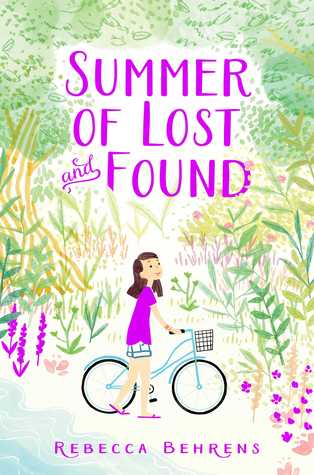
Book Review: Summer of Lost and Found by Rebecca Behrens

Summer of Lost and FoundSynopsis:

(via Goodreads)

Nell Dare expected to spend her summer vacation hanging out with her friends in New York City. That is, until her botanist mom dragged her all the way to Roanoke Island for a research trip. To make matters worse, her father suddenly and mysteriously leaves town, leaving no explanation or clues as to where he went—or why.

While Nell misses the city—and her dad—a ton, it doesn’t take long for her to become enthralled with the mysteries of Roanoke and its lost colony. And when Nell meets Ambrose—an equally curious historical reenactor—they start exploring for clues as to what really happened to the lost colonists. As Nell and Ambrose’s discoveries of tantalizing evidence mount, mysterious things begin to happen—like artifacts disappearing. And someone—or something—is keeping watch over their quest for answers.

It looks like Nell will get the adventurous summer she was hoping for, and she will discover secrets not only about Roanoke, but about herself.

My thoughts:

Such fun! This is a perfect summer book – particularly if you’re looking for something to tuck into a middle-grade reader’s suitcase on the way to a family vacation. I picture reading this one on a blanket on the beach, in between dips in the ocean, maybe while munching on watermelon slices…

Nell Dare is a terrific main character. She’s a city girl through and through, and can’t think of anything more perfect than spending the summer in Manhattan with her best friend. When her dad takes off and her mother forces her to spend time on a weird island to help with research about an old vine, things are definitely not going as planned.

Nell becomes enthralled by the mysteries of Roanoke Island, famous for its lost colonists — the early settlers in the late 1500s who disappeared without a trace, a mystery unsolved to this day. Nell makes a “frenemy” of another girl her age, Lila, who’s also determined to get to the bottom of the lost colony. The race is on! Nell pursues clues with the help of a charming but slightly odd boy, learning her way around the island — but also learning how to get along without subways or taxis, enjoying the forests and dunes and learning the fine art of traveling by bicycle.

There’s a lot of heart in the story, as Nell’s summer is spent worrying about her father’s disappearance and what it means. Neither parent will tell her straight out, so Nell is left to guess and feel bad. She worries too that her best friend back in New York will replace her while she’s gone, and the speed at which texts are answered become talismans for the state of their friendship.

Finally, Nell learns a lot about finding a direction and charting her own path, asking for answers, and sticking things out.

But that’s true, right? Sometimes it’s the places we think we know the best that hold the most secrets: our streets, our backyards, and even our homes.

Nell’s summer adventure, investigating the mysteries of Roanoke, ultimately allows her to find out more about herself and her family. Along the way, she explores friendship and loneliness, and figures out that she needs to stand up and makes things happen herself.

Summer of Lost and Found is a charming middle-grade novel about a summer of discoveries — discoveries about the past, about things that are lost, and about commitment and family. Highly recommended for moms and daughters — this would make a great summer book to share!

Interested in this author? Check out my review of her previous novel, When Audrey Met Alice.

_________________________________________

The details:

Title: Summer of Lost and Found
Author: Rebecca Behrens
Publisher: Aladdin
Publication date: May 24, 2016
Length: 288 pages
Genre: Middle grade fiction
Source: Review copy courtesy of Simon & Schuster Children’s Publishing

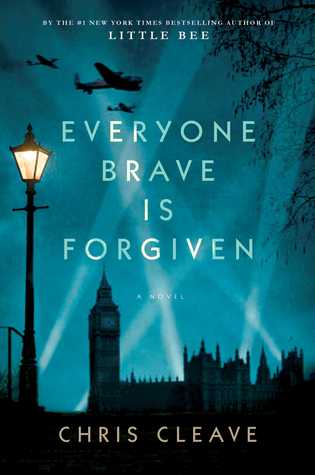
Take A Peek Book Review: Everyone Brave Is Forgiven by Chris Cleave

“Take a Peek” book reviews are short and (possibly) sweet, keeping the commentary brief and providing a little peek at what the book’s about and what I thought.

Everyone Brave is Forgiven


Synopsis:

(via Goodreads)

From the author of the #1 New York Times bestselling Little Bee, a spellbinding novel about three unforgettable individuals thrown together by war, love, and their search for belonging in the ever-changing landscape of WWII London.

It’s 1939 and Mary, a young socialite, is determined to shock her blueblood political family by volunteering for the war effort. She is assigned as a teacher to children who were evacuated from London and have been rejected by the countryside because they are infirm, mentally disabled, or—like Mary’s favorite student, Zachary—have colored skin.

Tom, an education administrator, is distraught when his best friend, Alastair, enlists. Alastair, an art restorer, has always seemed far removed from the violent life to which he has now condemned himself. But Tom finds distraction in Mary, first as her employer and then as their relationship quickly develops in the emotionally charged times. When Mary meets Alastair, the three are drawn into a tragic love triangle and—while war escalates and bombs begin falling around them—further into a new world unlike any they’ve ever known.

A sweeping epic with the kind of unforgettable characters, cultural insights, and indelible scenes that made Little Bee so incredible, Chris Cleave’s latest novel explores the disenfranchised, the bereaved, the elite, the embattled. Everyone Brave Is Forgiven is a heartbreakingly beautiful story of love, loss, and incredible courage.


My Thoughts:

I have such mixed feelings about this book. The story is grand and sweeping, encompassing the London air raids of World War II as well as the horrible conditions experienced by soldiers besieged on the island of Malta. In terms of setting and historical context, Everyone Brave Is Forgiven is powerful and hard-hitting, showing us the terror of the reality of war through the eyes of those attempting to live through it.

At the same time, the characters and the dialogue kept me at a distance throughout. The writing is so overdone, and there’s a jolly good, stiff upper lip, never say anything that isn’t a quip flavor to every line the characters speak. If I had to read one more sentence about what “one” did or didn’t do or feel, I might have pulled my hair out.

Overall, I found this a disappointing read. I will probably be in the minority on this one, as the book seems to be getting raves from all the big literary review sources. Sadly, the paths of the characters and the central love story didn’t have a ring of truth. The tragedies pile up, and there are scenes of raw destruction that are breathtakingly sad and shocking. Unfortunately, I couldn’t find the characters’ lives, actions, or relationships real enough to feel a true sense of connection to their stories.

_________________________________________

The details:

Title: Everyone Brave is Forgiven
Author: Chris Cleave
Publisher: Simon & Schuster
Publication date: May 3, 2016
Length: 432 pages
Genre: Historical fiction
Source: Review copy courtesy of the publisher via NetGalley

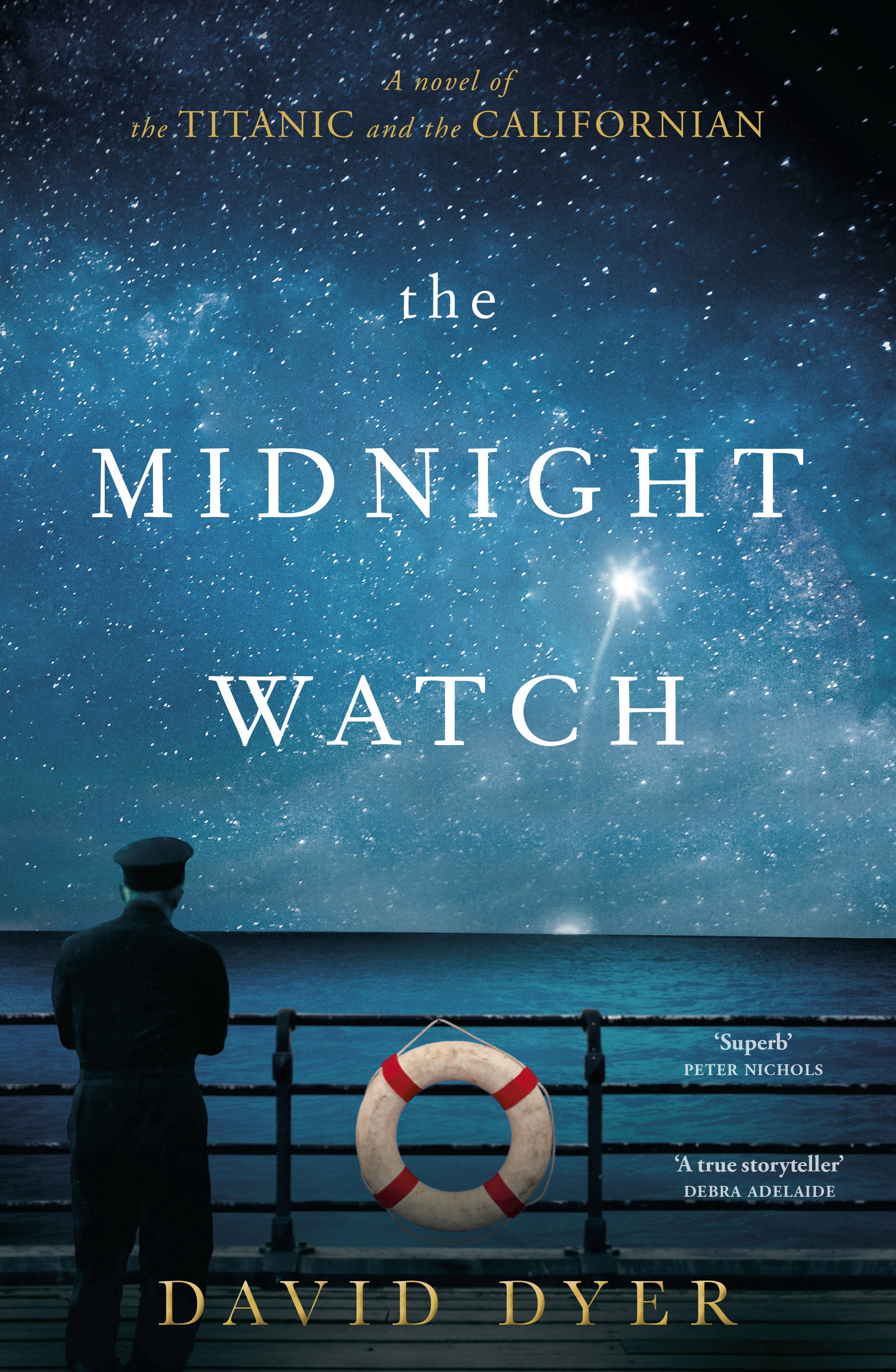
Book Review: The Midnight Watch by David Dyer

midnight watch2Synopsis:

(via Goodreads):

As the Titanic and her passengers sank slowly into the Atlantic Ocean after striking an iceberg late in the evening of April 14, 1912, a nearby ship looked on. Second Officer Herbert Stone, in charge of the midnight watch on the SS Californian sitting idly a few miles north, saw the distress rockets that the Titanic fired. He alerted the captain, Stanley Lord, who was sleeping in the chartroom below, but Lord did not come to the bridge. Eight rockets were fired during the dark hours of the midnight watch, and eight rockets were ignored. The next morning, the Titanic was at the bottom of the sea and more than 1,500 people were dead. When they learned of the extent of the tragedy, Lord and Stone did everything they could to hide their role in the disaster, but pursued by newspapermen, lawyers, and political leaders in America and England, their terrible secret was eventually revealed. The Midnight Watch is a fictional telling of what may have occurred that night on the SS Californian, and the resulting desperation of Officer Stone and Captain Lord in the aftermath of their inaction.

Told not only from the perspective of the SS Californian crew, but also through the eyes of a family of third-class passengers who perished in the disaster, the narrative is drawn together by Steadman, a tenacious Boston journalist who does not rest until the truth is found. The Midnight Watch is a powerful and dramatic debut novel–the result of many years of research in Liverpool, London, New York, and Boston, and informed by the author’s own experiences as a ship’s officer and a lawyer.

My thoughts:

The Midnight Watch is a strong debut novel built on meticulous research of the historical records. Prior to reading this book, I’d never even heard of the Californian, but a quick Google search shows just how real this nightmare story is. The Californian was nearby at the time that the Titanic was sinking, close enough to potentially have been able to save most or even all of those lost in the tragedy, and yet the ship did nothing in response to the Titanic’s distress signals.

The author does a painstaking job of recreating the events of that terrible night. In alternating chapters, we see events unfold through the eyes of the men onboard the Californian, especially Herbert Stone, and then learn of the Titanic and the possible involvement of the Californian through the perspective of John Steadman, a journalist who specializes in giving voice to those who’ve died in tragic circumstances.

It’s shocking to read that the officer of the watch saw the rockets, understood them to be distress signals, and then contacted the captain, only to do nothing once his captain chose to do nothing. The subsequent sets of lies and cover-ups and self-deceptions are equally disturbing and confusing. Why didn’t the Californian respond? How could Captain Lord live with himself afterward? Why didn’t the second officer do more if he truly believed he was witnessing a ship that needed help?

While The Midnight Watch lays out the events and presents a fictionalized accounting of what may have been going through the minds of the men involved, of course we’ll never actually know the truth or why this terrible inaction transpired while people were dying nearby.

The book is well-written and the character of John Steadman is appealingly flawed — a man who pursues the truth, even while drinking himself into oblivion and at the risk of his job. Captain Lord remains a haughty enigma. It’s impossible to truly understand his role in the Titanic’s sinking, but the portrayal of him here is certainly unflattering.

The piece of The Midnight Watch that carries the greatest emotional power comes toward the end, as the book includes the (fictional) account written by Steadman, called “Eight White Rockets”. Steadman’s piece describes events on the Californian that night, intercut with his recreation of the final hours spent on board the Titanic by a family of eleven — a mother, father, and their nine children — who all perished in the sinking. (This family, the Sage family, were real people who died in the disaster; the author has imagined what their experience might have been and why none survived.)

So many years later, the tragedy of the Titanic continues to fascinate us. The Midnight Watch describes a less well-known aspect of that terrible event, bringing to light facts and people that most with a casual interest in the Titanic today are probably unfamiliar with. The Midnight Watch blends historical details with a fictional story of journalistic research to create a compelling and moving tale. If you enjoy historical fiction and want to know more about the Titanic disaster, be sure to check this book out.

_________________________________________

The details:

Title: The Midnight Watch
Author: David Dyer
Publisher: St. Martin’s Press
Publication date: April 5, 2016
Length: 323 pages
Genre: Historical fiction
Source: Review copy courtesy of the publisher via NetGalley

A Mini-Review for a Mini-Book: Blockade Billy by Stephen King

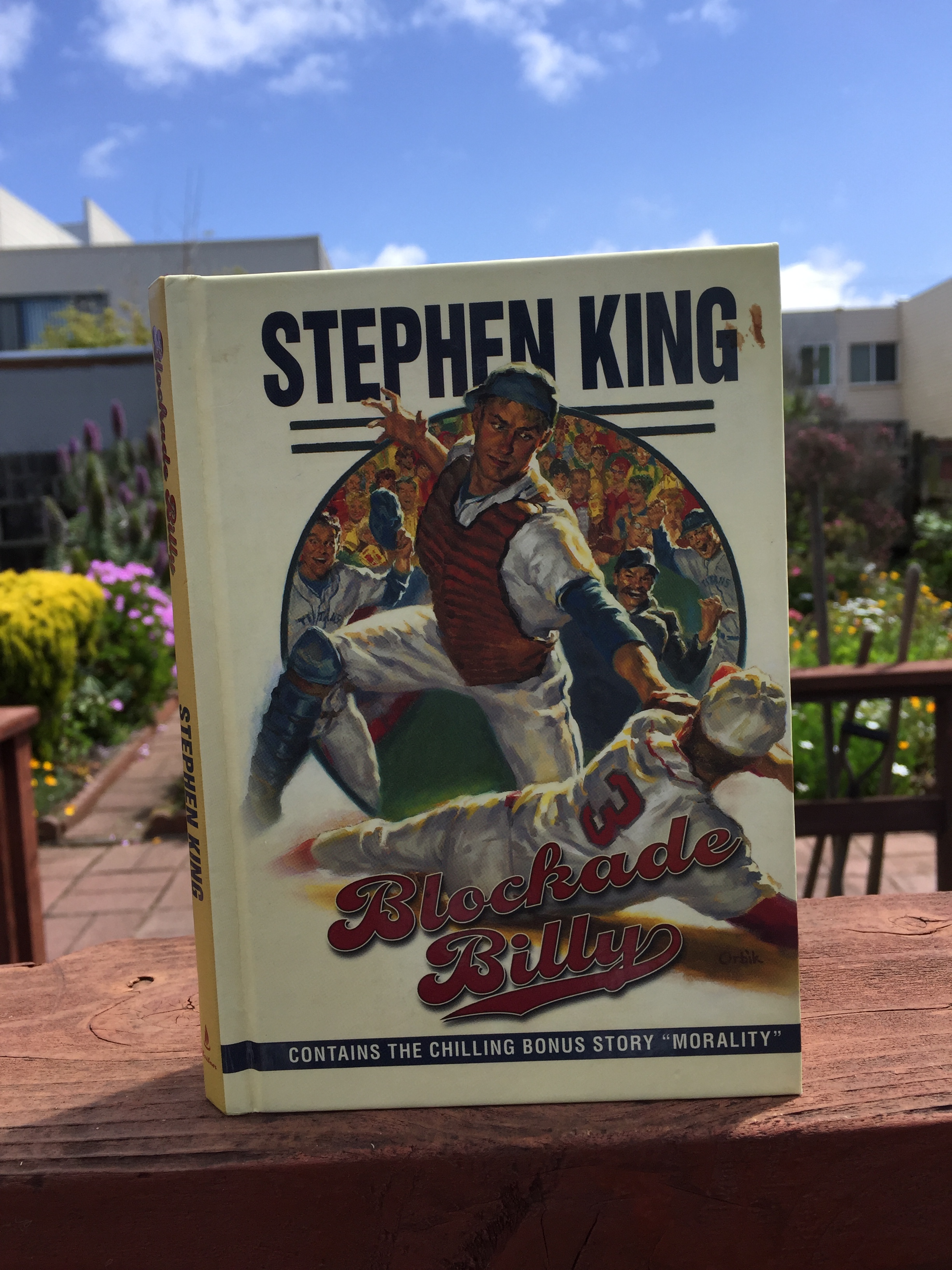
Blockade BillyI picked up this small book for a dollar at my library’s big book sale last month. Awesome find, right? I’ve been going to the library sales for years, and it seems that I come home from each one with at least one new Stephen King book to add to my collection.

Blockade Billy is a slim hardcover containing two novellas, the title story plus another called Morality. The whole thing was a quick read, so from that perspective you could call it light reading, although the subject matter is definitely lacking in rainbows and kitties.

The first story, Blockade Billy, is (obviously, based on the cover) a baseball story. Not being much of a baseball fan, I didn’t expect to like it — but I did. The story is told in the first person by an old man who once coached a not-very-good major league baseball team. As the man tells the story to his listener, Mr. King (!), we enter the world of 1950s-era baseball. A young catcher joins the team to fill in for an injured player, and surprises everyone by being a fantastic player, even though he seems a little off in the head. After a glorious start to the season, Billy’s achievements and the team’s winning streak were struck from the record books. Why? Read the story to find out!

In Morality, we meet Chad and Nora, a couple in their 30s with mounting bills and little chance of paying them. When the elderly stroke patient in Nora’s care makes her an offer to earn a big pile of cash, the couple faces a moral dilemma. Shades of Indecent Proposal? Kind of. It’s disturbing to find out what the old man wants, and to see how and why Chad and Nora agree to his plan, as well as how they deal with the aftermath.

image

My copy… enjoying the sunny weather.

I ended up enjoying both stories, probably Morality more than Blockade Billy. Is enjoying even the appropriate word? Probably not, as both stories are disturbing. What’s great (again, not really the appropriate word) about both is that they’re not horror stories. The bad things that happen are driven by human nature, desires, and impulses. It’s people doing evil, not evil beings inflicting pain on ordinary people. There’s something sad and fascinating about watching the drama unfold in both of these stories — and of course, Stephen King is the master of keeping the reader guessing as a story builds. We may not have all the details until the end, but we’re hooked from start to finish.

If you’re a King fan and you haven’t read Blockade Billy, pick up a copy when you’re looking for a bite-sized book to pass the time with.

Note: As I finished writing this post, I found out that both of these stories are included in Stephen King’s new book of short stories, The Bazaar of Bad Dreams, published in November 2015. And while I’m not usually a short story reader, I’m thinking I might need to make an exception for this collection.

_________________________________________

The details:

Title: Blockade Billy
Author: Stephen King
Publisher: Scribner
Publication date: May 25, 2010
Length: 132 pages
Genre: Adult fiction
Source: Purchased

Book Review: A Spool of Blue Thread by Anne Tyler

Spool of Blue ThreadSynopsis:

(via Goodreads)

A freshly observed, joyful and wrenching, funny and true new novel from Anne Tyler

“It was a beautiful, breezy, yellow-and-green afternoon.” This is how Abby Whitshank always begins the story of how she fell in love with Red that day in July 1959. The Whitshanks are one of those families that radiate togetherness: an indefinable, enviable kind of specialness. But they are also like all families, in that the stories they tell themselves reveal only part of the picture. Abby and Red and their four grown children have accumulated not only tender moments, laughter, and celebrations, but also jealousies, disappointments, and carefully guarded secrets. from Red’s father and mother, newly-arrived in Baltimore in the 1920s, to Abby and Red’s grandchildren carrying the family legacy boisterously into the twenty-first century, here are four generations of Whitshanks, their lives unfolding in and around the sprawling, lovingly worn Baltimore house that has always been their anchor.

Brimming with all the insight, humour, and generosity of spirit that are the hallmarks of Anne Tyler’s work, A Spool of Blue Thread tells a poignant yet unsentimental story in praise of family in all its emotional complexity. It is a novel to cherish.

My thoughts:

It’s been years since I’ve last read an Anne Tyler novel — and picking up A Spool of Blue Thread is like cozying up with a comfy old blanket and curling up in a favorite chair. It’s homey and warm and familiar, but the familiarity doesn’t take away at all from the sheer pleasure of spending time with it.

In A Spool of Blue Thread, we meet the Whitshanks, a big, sprawling family whose lives seem centered around their beautiful family home with the big front porch, the home that’s been in the family for three generations and was in fact built by the first of the Whitshanks to live in it. The first characters introduced are Abby and Red, a married couple in their seventies who’ve raised four children, have a good, well-worn marriage, and seem to enjoy their lives.

Their children and grandchildren are a source of non-stop discussion and worry, particularly Denny, the black sheep of the family who can always be depended upon to be undependable. Denny disappears for months or years at a time, only to show up or call with an odd or worrying or unexpected announcement that throws the family into a tizzy.

As Abby and Red age, their children become increasingly worried about their ability to live on their own in their big house, and so various children and their children move in to provide care, manage things, and try to sort out the little rivalries and resentments that have built up over the years.

As the story unfolds, early hints about family history are unpacked for the reader. The family may never know much about Junior and Linnie Mae, the original Whitshanks to live in the family home, but late in the book, we finally get their story, and it’s not what it seemed. Likewise, when we finally hear Abby’s version of how she and Red met, it’s surprising and touching all at once.

A Spool of Blue Thread is a quintessential character-driven book. There’s not much plot to speak of — no big drama or mystery or climax. Instead, it’s a study of family and individuals, their desires and frustrations and misunderstandings and dynamics. It’s lovely to see a family unfold to reveal its heart and soul. The Whitshanks have had their share of disappointments and tensions, but they’re still there, together, figuring things out. Beyond a profile of a family, it’s also a moving depiction of the worries of aging parents, from both the parents’ viewpoint as well as the adult children who have to balance their own lives with the complications required by figuring out how to help parents who may or may not be able to function on their own any longer.

As I mentioned, it’s been quite a while since I’ve read anything by this author, although there was a time when I read all of her new books as soon as they came out. I think I’d reached my saturation point somewhere along the line, and I might not have picked up A Spool of Blue Thread if it hadn’t been my book club’s pick for April.

So, yet another reason to proclaim that I love my book club! A Spool of Blue Thread is a perfect domestic novel that’s touching, funny, and beautifully written. I’m so glad to have read it — and it makes me want to go figure out what other Anne Tyler books I’ve missed over the years.

_________________________________________

The details:

Title: A Spool of Blue Thread
Author: Anne Tyler
Publisher: Bond Street Books
Publication date: February 20, 2015
Length: 358 pages
Genre: Adult fiction
Source: Library