TV Time: The Summit makes no sense.

The Summit – Season 1 Key Art ©2024 CBS Broadcasting, Inc. All Rights Reserved.

CBS’s newest reality competition show The Summit has now aired three episodes. I’ve watched them all… and I’m firmly convinced that this show makes no sense.

The premise? A group of 16 Americans is transported to New Zealand and told that they have 14 days to reach the summit of that big mountain over yonder. The contestants all look shocked and awed.

Big question right off the bat: What did they think they’d be doing? Seriously, I want to know — they all auditioned for a show… knowing what? I think the fact that they’re expected to climb a mountain is pretty crucial.

The rules of the show are explained in small bits and pieces, but what we (and presumably, the contestants) know at the start is as follows: They’ll be ascending the mountain as a group. They’re each carrying 1/16th of one million dollars — in cash — in their backpacks. If they reach the summit by the 14th day, they keep the money. If they don’t reach it, or if they arrive late, they get nothing. And if someone quits (which, as we learn in the first episode, includes medical evacuation), their share of the money goes with them.

It therefore seems in everyone’s best interest to make sure everyone succeeds, right?

Clearly, not everyone is prepared for this adventure. There are a few strong, outdoorsy, athletic types, but also some less fit folks who’ve never hiked or had an outdoor adventure before. A group of moms bond quickly, a few bros seem to break out early, and some out-of-shape people struggle from the beginning.

The group is also warned before they start their trek that the “mountain’s keeper” will be watching. It’s made to sound vaguely mumbo-jumbo-ish — no one has any idea what this means.

Pretty much from the first step, certain players are already scheming, and it’s not clear why. Why are some players looking for divisions and trying to create alliances? Nothing we’ve heard so far indicates that that’s necessary. Aren’t they all just trying to reach the top? Doesn’t it make sense to support one another and root for the entire team to succeed?

Almost immediately, there’s trouble. The initial walk, even without an ascent, is harder than it looks, and there are slower people at the back of the pack who are chatting and acting like they’re out for a stroll. As soon as they start the first ascent, it’s clear that many of these people aren’t really up for this. It’s a struggle, and certain players need a lot of help, with one even giving their backpack to a stronger climber just to make it up the hill.

A major obstacle lies in wait — a difficult rope bridge that must be crossed in pairs. As the duos go across, the Mountain’s Keeper* shows up. This turns out to be a black helicopter with tinted windows, so it appears to be otherworldly in some way — we never catch a glimpse of people flying the thing. It hovers over the landing spot on the far side of the bridge and drops a bag with instructions: The group is behind where they need to be to make it to their first checkpoint before nightfall, and they have a choice. They can help the last player across (who happens the be the oldest and least fit player, and is also solo because one person has already been medivac’d out), or they can choose to leave him, save the time it would take to bring him across, and hopefully pick up the pace.

The group votes to bring the player across, in a show of empathy that may come back to bite them, and they don’t make the checkpoint. The show’s host meets them on the mountain to inform them — in a scolding/disappointed tone — that they’re out of time for the day and must make a “bivvy camp” — sleeping outdoors, no tents, and with just the dried food in their packs. What’s more, he reminds them, it’s only day one, and they’re already behind. At this rate, they won’t reach the summit in 14 days.

*The Mountain’s Keeper is a weird and creepy concept. Sometimes, it shows up to drop a bag with instructions and tools to carry out a task, but sometimes is just comes to hover menacingly. When someone with a fear of heights is struggling up a flimsy rope hanging from a cliff, the Mountain’s Keeper flies up near him and is just there, until that person gets moving again.

The group struggles on the next day, eventually reaching their first checkpoint — a much nicer camp, with pre-built all-weather tents, a fire, and plenty of delicious food and drinks. They’re all excited, but the host — continuing his role as party-pooper-deluxe — arrives to explain that everything has a cost, including the checkpoints. At each checkpoint along the climb, the group must decide to send one person off the mountain (i.e., vote them out) and “steal” their money. The person who gets voted out must cede the money from their backpack, which then gets divided up amongst the remaining players and added to the stash they’re carrying.

Okay… so keeping in mind that the goal is to reach the summit within 14 days or they all get nothing, as well as the endless reminders that they’re already behind where they should be, wouldn’t it make sense to start cutting the slowest players? The group has to stay together — it would make no difference if the most fit people forged on ahead and reached the summit early. They either make it as a group, or they all fail.

But no, apparently my logic isn’t the group’s logic. Instead, this becomes a game of alliances, just like every other reality competition on TV. Let’s break up the people who are loyal to each other! Let’s cut someone whose negativity is annoying! And in a later episode, let’s cut one of the strongest people because… reasons?

By the 3rd checkpoint and vote-out, the group has clearly split into factions, and there’s a lot of talk about getting out the big dogs, the ones who are strongest and tend to take the lead. But why? The 3rd person voted out had just done an excellent job of reading the map (different people take the leader role each day, with varying levels of success and/or getting the group lost) — but apparently doing a good job as leader made him a target. Again, why? Isn’t it in the group’s best interest to keep the capable people, who help the entire group succeed?

Apparently the logic in taking out the stronger people is that the weaker folks want to target the strong folks first, to keep the strong folks from picking off the weaker folks one by one. Okay… but if you’re left with the people who are struggling to keep up and who hold the pace back, how will they ever reach the summit?

There’s also the awkwardness of the voting process itself. No secret ballots on The Summit — the host shows up, sits with everyone around the campfire, and asks what names have been coming up. Once a couple of names have been mentioned, he asks people to raise their hands if they want person A voted out, then raise your hands if you want person B to be gone. That’s it. It’s public, and the only people up for votes are those whose names get mentioned in that moment. There isn’t an option for a quiet sub-group to sneak in another candidate, and with the voting done by show of hands, it makes it unlikely that people would be willing to stick their necks out or not go along once they see which way the majority is trending.

Beyond the craziness of the alliance/vote-out system, there’s the overall sense that this show has a very questionable approach to safety. First of all, I don’t think people who are not prepared, trained, or in condition for a climb should be climbing. I can only imagine real-life mountaineers tearing out their hair while watching this show.

Second, a decision-point came up that I found shocking, and I’m guessing this type of scenario will continue to pop up in one form or another. At one point, the Mountain’s Keeper dropped another bag, this time with an offer (as well as a scolding). The group is behind yet again. They can choose to send two people (presumably, the slowest) by helicopter to the next camping point, while the rest continue to hike and hopefully make up a bit of time. There’s a price, of course: If they choose this option, the group will have no food that night. Two people (the rational ones, in my opinion) vote against this option: They’ve burning through calories like crazy, and they can’t risk giving up food. But everyone else votes to send the two slowest by helicopter, and seem to feel the others lack empathy, which will definitely be held against them.

So why am I shocked? Because this isn’t safe! You have a group of 12 people (? maybe ? — I’ve lost count by this point) who need to get up the next day and hike another 5 – 10 miles over harsh, steep terrain before getting any more food. How are they supposed to have the strength to do that? The climb is dangerous enough as is, and now they’re supposed to do it in a weakened state? Who approved this nonsense? This isn’t Survivor, where players (a) know in advance that starving is part of the game, (b) are in a relatively safe setting and (c) have instant medical care available. Sure, The Summit has cameras and crew alongside the players, so we can assume medical staff as well — but how does that help if a hungry player gets dizzy, keels over, and tumbles down the mountain?

Ugh. I’m annoyed now that I’ve watching three 90-minute episodes of this nonsense. Sure, a part of me is curious to see what happens next… but it’s also so ridiculous a premise that I don’t think I can actually stand to watch a moment more.

I started watching The Summit with no prior knowledge, simply based on having seen the promos and the fact that it airs right after Survivor. After watching these three episodes, I was curious to see if there were any reviews out there, and in Googling the show, discovered that this was originally an Australian TV show that’s aired two seasons so far. There’s also a British version in development, and apparently a Norwegian version was shut down mid-production after one contestant suffered cardiac arrest and died during the filming.

Reading more about the Australian seasons gives me a pretty good idea of how the rest of this American season will go, and reinforces my inclination to just give it up. The scheming and manipulation don’t sit well with me. Before I started the show, I was drawn to the idea of seeing people rise to meet the physical and emotional challenges of the climb — but as it’s playing out, it’s just one more reality competition show about alliances and blindsides. Even with an awesome mountain as the goal, too much of this feels like a “been there, done that” setup. I don’t think I’ll give it any more of my time.

Want to know more? I couldn’t find a ton of reviews from newspapers or entertainment outlets, which leads me to guess that most just didn’t think it was worth bothering with. Here’s the review from USA Today — which I read after writing this post, but we happen to be very much aligned!

Tell me — is anyone else watching The Summit? Does anyone have another perspective to share?
Book vs TV: Two face-offs… which will win?

I thoroughly enjoyed two recent TV adaptations of beloved novels… but in the ultimate battle for dominance, do books or TV series come out on top?

Let’s find out.

Note: There will be spoilers!

Face-off #1:

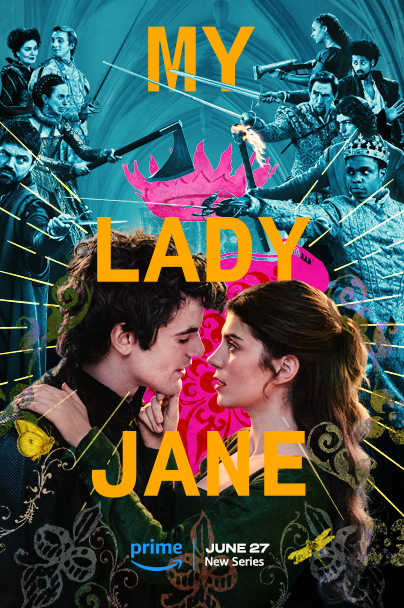
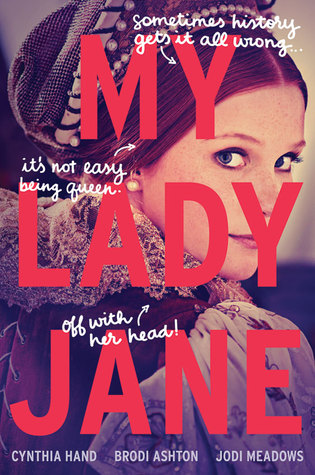
I loved the novel My Lady Jane… so much that I recently decided to reread via audiobook. And the timing was perfect, because I finished right before the TV adaptation dropped on Prime Video. But which one is better — book or TV?

My Lady Jane
Book by Cynthia Hand, Brodi Ashton, Jodi Meadows, published 2016
Prime Video series, released June 2024

Thoughts: The book is such a funny, quirky read that any adaptation would face a steep climb to match it in tone and content. And yet, the Prime Video version comes pretty close! The production itself is rather awesome — the humor and silliness are abundant, and although I’m tempted to say that some of the acting is over the top (looking at you, Mary!), I’m not sure that there is such a thing as over-the-top when it comes to this story.

The misses for me in terms of the adaptation relate to the basics of the story. Ethians (shapeshifters) are more prevalent in the book, and while there are those who want to see them all destroyed, they’re still a recognized part of society. The adaptation changes up the roles of certain characters — Dudley’s family gets a redemption arc and isn’t as terrible as in the book, and Jane’s mother is pretty fabulous in her awfulness. Jane’s fate edges closer to the real Jane Grey’s, which was interesting to see. Overall, the adaptation is hugely entertaining, but as someone who read the book, I questioned why certain key characters didn’t learn of their Ethian natures as well, which really changes the tone of some scenes and plot elements.

Verdict: The book for the win… but definitely check out the show for its cheekiness, excellent cast, and sheer lunacy.

Face-off #2:

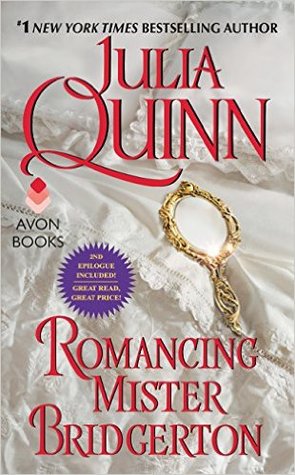
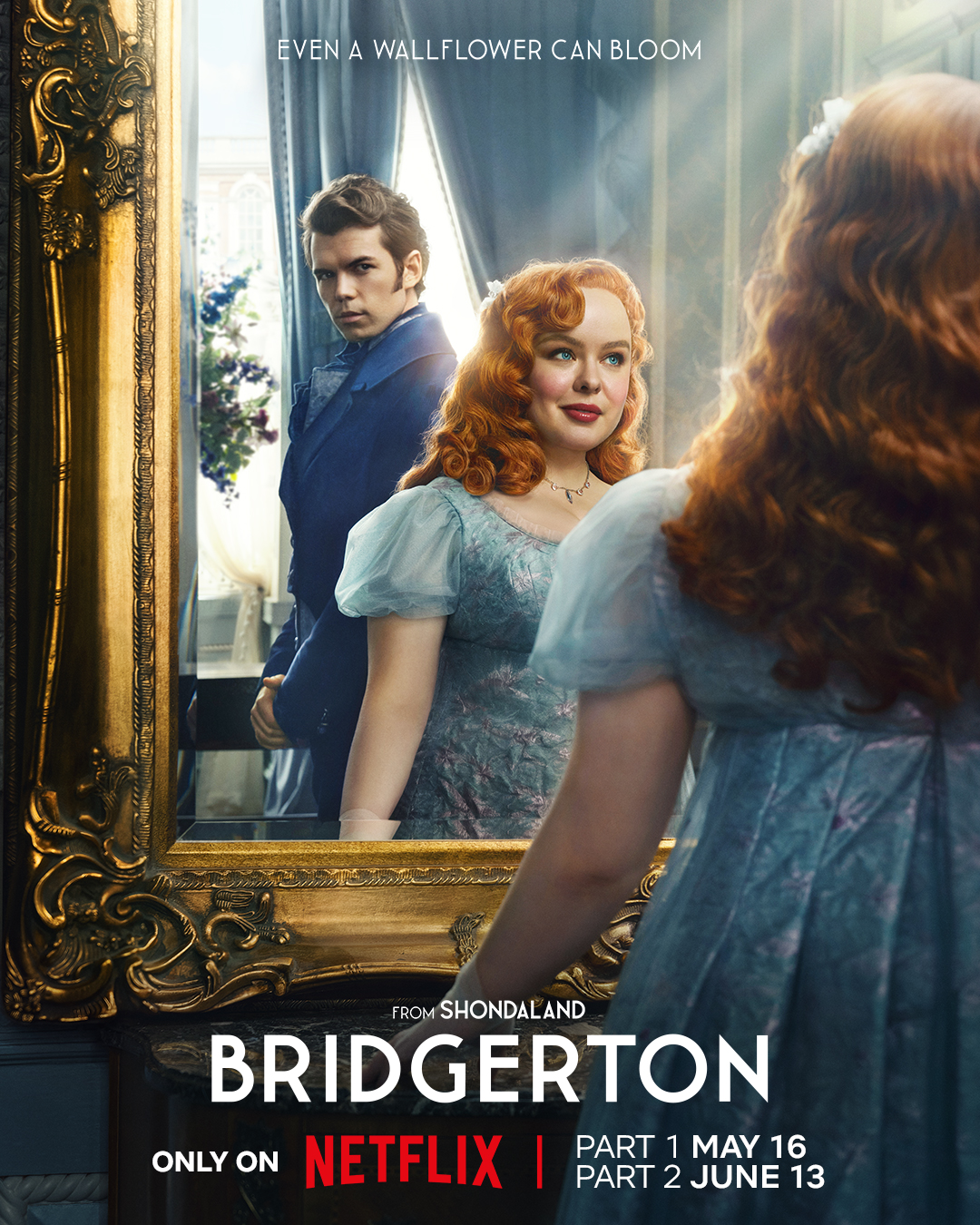
I read Romancing Mister Bridgerton a few years ago already — after watching season 1 of the Netflix series, I ended up bingeing all eight Bridgerton books, one after another. And now that season 3 has aired and I’ve done a book reread via audio, it’s time to compare!

Bridgerton, season 3
Romancing Mister Bridgerton by Julia Quinn, published 2002
Netflix series, new season released May/June 2024

Thoughts: Season 3 was excellent in many ways, and Nicola Coughlan is sheer perfection as Penelope. I love that the Netflix series expands the focus to include other storylines and characters. And yet, certain aspects of the Penelope and Colin romance irked me — and my audiobook reread reminded me that these problem points are handled differently in the book. In the TV series, Colin discovers Penelope’s secret identify only after they’ve become engaged and slept together. He’s furious, their wedding is tense, and he sleeps on the couch on what should be their wedding night. As for Penelope, she comes across as tearful and ashamed when confronted with her alter ego, and seems inconsistent about whether she’s proud of her work. Too often, she seems like she’s practically abasing herself in front of Colin to earn his forgiveness.

I was happy to be reminded that in the book, the truth is already out before Colin and Penelope become intimate. Yes, he’s upset with her — but that’s out of worry. The burning anger is missing, and Colin’s concern is mainly about Penelope being ruined and cast out of society. They are together, in love, and happy when they marry, and while Whistledown remains a source of tension, we learn that this is due to Colin’s jealousy: He admires Penelope’s talent and accomplishments, and is frustrated that he doesn’t have a purpose of his own.

Likewise, I appreciate the passing of time in the book. In Romancing Mister Bridgerton, Penelope is 28 years old, and has been Whistledown for over a decade. She’s mostly embraced her spinster status, and is happy enough spending time with best friend Eloise and the youngest Bridgerton, Hyacinth, now out in society and very, very sassy. Book Penelope is confident in her choices and proud of the success she’s had in her career, even if she can’t tell anyone about it. It’s nice seeing her as more mature and less tentative.

I do like the conclusion on the Netflix series a bit better. Penelope keeps writing the Society Papers, but under her own name. I’d thought the book wrapped with Penelope permanently giving up writing, but the reread reminded me that we leave Penelope working on a novel. (I don’t recall whether we learn that she’s become a published author in later books… but I’m guessing the answer is yes!)

Verdict: The book for the win! But watch the TV series for the production values, the side plots, the great chemistry, and the overall vibe. (Not to mention the costumes and wigs!)

TV Time: Survivor, Season 46

It’s been a minute since I’ve written a Survivor post (okay, only two seasons of the show, but still)… and since season 46 just ended this week, I thought I’d spill some random thoughts on the season overall as well as the finale and results.

The season had a rough start, and honestly, I teetered on the edge of abandoning ship during the early episodes, largely due to poor casting. One participant, Bhanu, came close to totally tanking the season. This is someone who described himself as a super fan, but had no business being anywhere near the island. He had no game, and his outbursts and unpredictability were disastrous for his teammates, who had to resort to intensely coaching him to try to keep him from spilling their strategies (and that didn’t even work). The early episodes were just awful to watch because of Bhanu — there’s just no other way to put it.

Some of the issue comes down to the basic setup of teams: Now that Survivor starts with three teams of six instead of two larger teams, one bad teammate can doom the entire team. Bhanu’s team (Yanu) seemed on the verge of disintegrating completely. The episode edits focused so heavily on Bhanu that we saw very little of other teams, and the main focus was constantly Bhanu’s impact on the Yanu tribe. I felt bad for his teammates, and in terms of viewer experience, this wasn’t a fun or good mess — just bad TV.

Things did pick up with Bhanu’s departure finally (he lasted much longer than he should have). Still, until about the midpoint of the season, I found very few contestants to care about, and many of the early vote-outs left zero impression. Jem who? Moriah who? (Oh, right, Moriah was the person who seemingly didn’t know how to jump.)

Fast-forward to the latter batch of episodes. Yes, post-merge, more interesting characters got more screen time and there were some fun elements, challenges, etc. But it was an uphill slog, not entirely successful, to regenerate any energy or sense of excitement after the terrible beginning.

Several decent players made it past the merge, although my favorites (Tevon, Hunter, Tiff) all got voted out earlier than I’d hoped for. And a couple were just so plain odd that they stole the spotlight, but not in a good way. In particular, let’s talk for a minute about Liz and Q:

  • Liz claimed all the way to the end that if she made it to the final tribal, she’d beat everyone. And all I can say is… huh? I know some viewers found her entertaining. Not me. A weird vibe, heavy on entitlement. After a challenge that she didn’t win, she screamed at another player for not choosing her for reward, and everyone else seemed to feel a need to comfort her. Why? Why would she feel that she deserved the reward more than anyone else? (She claimed it was because she was allergic to everything on the island and hadn’t eaten… but girl, you knew what would be available to you before you signed up to play. Maybe make better choices to start with.) She was not a good player, and was memorable only for her outbursts.
  • Q, agent of chaos: He claims that it was all part of his gameplay, but Q upended all strategy at multiple tribal councils by asking to be voted off, but then stating that he wanted to stay. He became totally unpredictable after initially appearing much more strategic. Still, he did provide a few unexpectedly entertaining moments. Shout-out to Q for organizing a game of hide and seek — his teammates thought they were just having fun, but Q viewed it as a chance to analyze each person’s psyche. Hilarious.

Some of my frustration with this season comes down to frustration with the show in general. 46 seasons in, some pieces just don’t work very well. Enough with the hidden immunity idols! Which (LOL) were continuously found this season, yet never used. Every person who found an idol ended up voted out with the idol still in their pockets. Use your idols, people!

I also don’t love the starvation element. Host Jeff Probst really drills into contestants having to earn everything, including a flint to make fire, but I think that skews results in an unpleasant way. As of the “new era” of Survivor, teams earn their flint by winning challenges, and forfeit their flints when they lose — but then the losing teams seem to end up in a downward spiral. They lose, they have no fire, they get weaker than the other teams… and as a result, they’re less likely to win the next challenge, so they still have no fire, and still get weaker… on and on. I say start the teams with the basics — a flint, a cooking pot, a machete, even (gasp!) a bag of rice. It was a tough game even back when teams started with the basics. Where’s the fun in watching people become so incapacitated that they can’t speak in full sentences? (Yes, that happened this season too.)

Many of the challenges have been seen before, and still seem to skew toward rewarding those who can solve puzzles. Game rules need to be clearer — Kenzie (who ended up winning the season) won a crucial challenge in the final episode, defeating the biggest threat to win it all (Maria), because Liz helped her with the puzzle. Liz didn’t just cheer her on or offer hints from the sideline — she actively ran back to get Kenzie the item she needed to win the challenge. Seemed unfair to me, but Jeff allowed it. So, officially not cheating… but it doesn’t quite smell right to me.

In my posts about previous seasons, I’ve talked about how much I dislike the final fire-making challenge. And yup, that’s still the case. As has been established, whoever wins the final immunity challenge (out of four remaining players) chooses one person to take to final tribal, and the remaining two compete at fire-making for the 3rd spot. But who cares? Why should making a single fire make a difference? There’s got to be a better way to set up the finalists.

Personally, I’d rather the show go back to a final two. In so many of the past few seasons, at least one of the final three has absolutely no shot at winning, and is just there because they never posed a big enough threat to be voted out. What’s the point?

I’d rather see a final battle between all three of the people who didn’t win immunity at the last challenge… or do one more tribal, then a final challenge at three, and the top two finishers make the finale. I don’t like one person getting to decide who to bring, just because they happened to win a key immunity challenge. (Maybe some combination of this suggested approach — still have a final challenge at four, but the top three finishers become the three finalists, period.)

Okay, jumping ahead to the final tribal…

Fine, the three finalists were Charlie, Kenzie, and Ben. Of the three, Charlie was the person most clearly shown to be using strategy, partnerships, and cleverness throughout the season. Before the voting, he was my prediction to win. I liked Kenzie a lot, and she made a good impression overall, but I didn’t see her building her gameplay in quite as thoughtful a way. Ben never stood a change — he came across as a likable person who got brought along as a number for most of the game.

The key to winning Survivor is supposed to be: Outwit. Outplay. Outlast. And these are the touchstones that supposedly help the jury determine who to vote for.

Except not.

Because this time around, two jury members ignored gameplay and based their decisions on what the finalists said they’d do with the prize money. Q explicitly asked this question during final tribal, and stated that whoever gave the answer he liked best would get his vote. After a shocking voting choice (more in a moment), Maria later explained that it was Kenzie’s answer to Q’s question that convinced her to vote for Kenzie.

What does this have to do with the game? I’m still baffled, days later. We’ve seen occasions in past seasons where contestants have talked about who does or doesn’t need the money… but making the finalist’s plans for using the million dollars the key factor in how to vote? That’s just ridiculous. They could have saved 26 days of dirt and hunger and just found this out on day one.

As for Maria… she and Charlie were rock-solid allies throughout the entire game. Even when they reached the point where they had to aim to take each other out, realizing that they were each other’s biggest competition for the win, they were committed to voting for one another to win at the end. And yet… Maria voted for Kenzie instead, based on Kenzie’s plans for the money, and by doing so, handed her a million dollars that most likely would have gone to Charlie.

With Maria’s vote, it was 5-3 to Kenzie. Had she voted for Charlie, it would have been a 4-4 tie, and Ben would have cast the deciding vote. Since the finale, Ben has stated in interviews that he would have voted for Charlie. So there you have it: Maria took $1 million from Charlie and handed it to Kenzie.

Don’t get me wrong. I like Kenzie a lot and I’m happy for her. But in terms of gameplay, it feels like Charlie got robbed, specifically by Maria, who has bitter jury syndrome written all over her. I don’t have a problem with my predicted winner not actually winning, but the circumstances of this vote really leave me with a bad taste when it comes to this season.

On a final note, I’ll repeat the complaint I’ve been making ever since the post-pandemic era of Survivor:

If I wanted to dwell on a #2 complaint (which has nothing to do with gameplay), I’d say ditch the immediate reading of votes and the afterparty. Granted, it must suck to be a player and have to wait a year for the reunion show and reading of the votes, as they used to handle this pre-pandemic. Still, how can the finalists — especially the two who didn’t end up winning — get into the mood of the party when they literally JUST found out they lost, and they’re still sitting there unwashed and tired after 26 days? Let them at least take showers and put on clean clothes first!

Overall… this season was more or less a bust, certainly less satisfying and enjoyable than the previous two. I do feel that the format has become stale — the twists, idols, challenges, etc are all so expected at this point that I think production needs to do a bit of reinventing or going back to basics. Get rid of the gimmicks!

Oh, and is anyone else absolutely over the Sanctuary as a reward? Remember the good old days of being flown by helicopter to a private retreat? Or even the amazing one where the people on reward got to visit a local children’s school and deliver supplies and toys? Mix it up, Survivor!

After all of this complaining, will I continue to watch Survivor?

Yes. Yes, I will.

Hope springs eternal, and I think there’s enough that (mostly) works about the show’s core concepts that will keep me coming back for more. And as I mentioned last time I wrote about Survivor, I’d still like to go back and watch some of the earlier seasons that I missed when they originally aired.

Let’s see what happens when Survivor returns in the fall. Will anything have changed? Will the production have adapted in any meaningful way, or will it just be more of the same? We’ll find out in September!

Here’s the official trailer for season 47:

TV Time: What’s Lisa watching?

I haven’t done a TV wrap-up post in a very long time… but it’s a quiet Sunday morning, and what better opportunity to talk about series/shows I’ve enjoyed recently?

Here’s a round-up of what I’ve been watching:


The Greatest Night in Pop: A total surprise delight for me! I hadn’t heard anything about this documentary before stumbling across it on Netflix. If you’re of a certain age (*cough* me *cough*), then you actually remember when We Are the World was released, and if not, I’m sure you’ve come across plenty of nostalgic look-backs on MTV and elsewhere. This behind-the-scenes look at the making of We Are the World is sweet, entertaining, surprising, and a little heart-tugging too (considering how many of these singers are no longer with us). I’m so glad I checked it out!


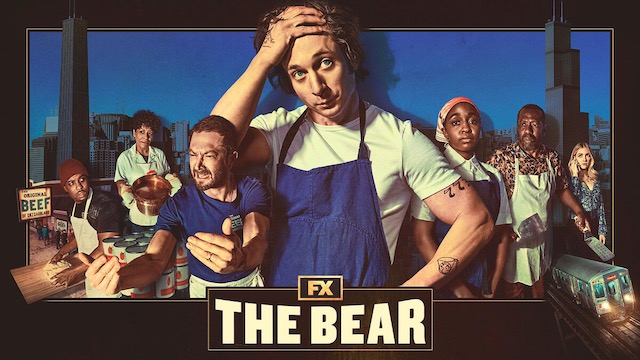
The Bear. Yes, I’m incredibly late to the party! I re-upped my Hulu subscription last month after a year without it, and now I’m busily watching everything I missed out on. I just finished watching season 1 of The Bear, and liked it enough to plan to start season 2 this coming week. The kitchen-speak is fascinating all on its own, and I definitely want to see where all these characters are going.


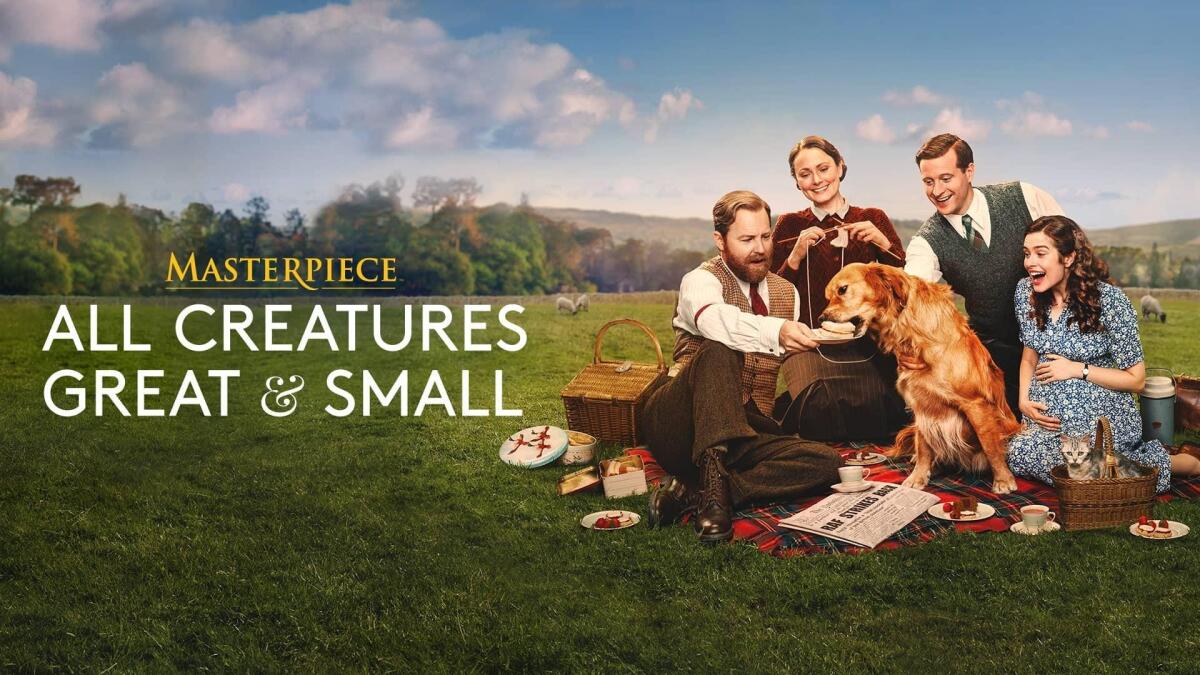
All Creatures Great & Small (season 4): This show is total comfort food for the soul — like warm slippers and a mug of hot cocoa (yes, with little marshmallows too). It’s sweet and gentle, with kind human drama and plenty of wonderful animal scenes and gorgeous landscapes. Watching new episodes on Sunday evenings is a great antidote to the Sunday scaries.


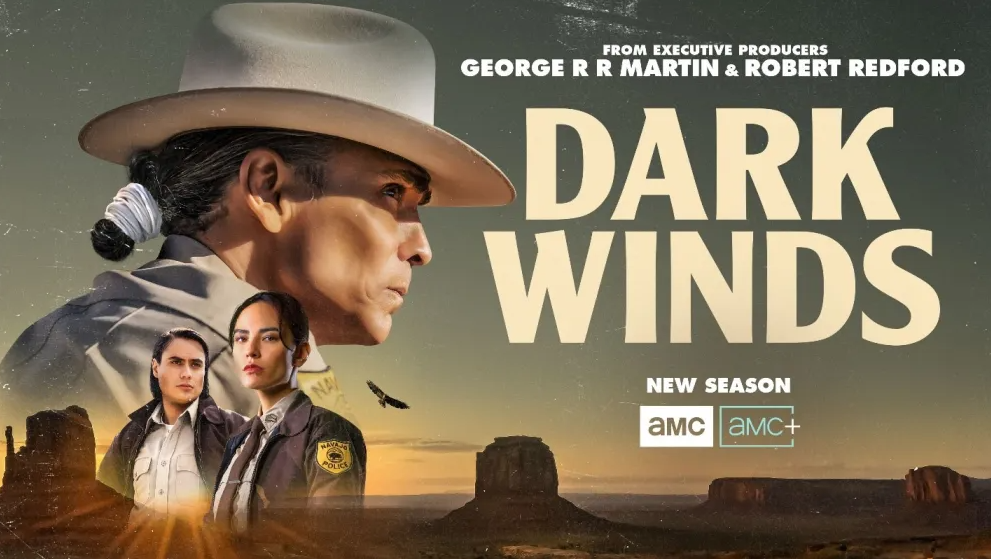
Dark Winds: Two season in, this detective series (adapted from Tony Hillerman’s Leaphorn and Chee books) is fascinating, with tight plotting, terrific characters, and a stellar cast. Lead actor Zahn McClarnon (also amazing in Reservation Dogs) is the mesmerizing central focus of Dark Winds, with a performance that’s powerful and emotional.


And finally…

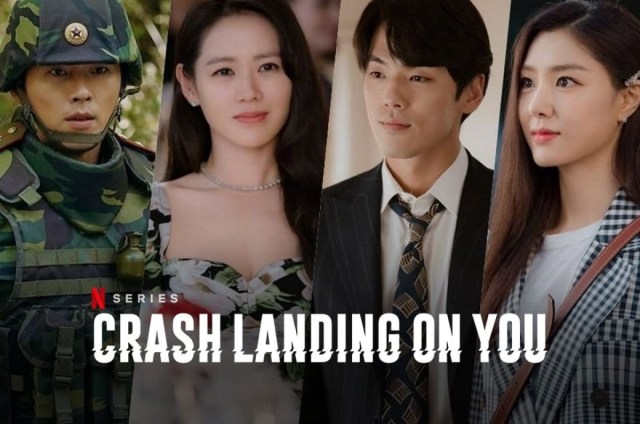
Crash Landing On You: Oh my, this show is EVERYTHING. It starts off with a rom-com feel — a South Korean businesswoman/heiress literally crash-lands in North Korea after a paragliding accident (hey, it happens). There, she is immediately found by an army captain who, after a series of chases and mishaps, ends up sheltering her in his village while trying to help her get back home.

The comedy is boosted by the captain’s squad of adorably dorky soldiers and the gossipy women of the village… and then a few episodes in, everything suddenly becomes ultra dramatic. There’s a sneering bad guy trying to capture/torture/kill everyone, risky escapes, and gun battles, but even more important… it’s a heartbreaking story of star-crossed lovers!

We’ve all heard about ugly-crying… but Crash Landing On You introduced me to the splendor of beautiful crying. These characters tear up a lot, and every single time, it’s the most gorgeous thing I’ve ever seen.

Crash Landing was my first introduction to K-drama, so I have nothing to compare it to and can’t comment on whether there’s anything else like it. For me, I was glued to the screen for all sixteen episodes and totally bereft when it ended. What an absolute treat.

(The trailer plays up the drama, but trust me, it’s really funny too.)

Save


What have you been watching lately? Let me know what you’ve been loving!

TV Time: Virgin River season 5. Sweaters, scenery, smoke…

Oh, Virgin River. Never change.

We’re back to this gorgeous town for season 5 — same beautiful rivers and mountains, same quirky townspeople and their quirky squabbles, same odd mix of high drama and silliness.

And hey, this time around, we get a raging wildfire and a town fair, complete with Ferris Wheel and fireworks. What a place!

In season 5, there are serious elements happening, including tragic developments for Mel and Jack, further (awful) storylines concerning drug smuggling (but now with fentanyl in the mix), several consequential health conditions (three under one roof!), and of course, the aforementioned wildfire that threatens to destroy the entire town.

There’s also plenty of romance, bickering among friends, small town politics and power plays, and walks in the woods, and really, what more do we need?

The fire storyline continued across several episodes and provided the season’s most intense sense of urgency and danger, and actually kept me on the edge of my seat. (It also apparently gave the male leads a good excuse to go shirtless, which — while good eye candy — seemed like a questionable choice given all the sparks flying around. Ouch!)

I’m going to get into spoiler territory for the rest of this post, so look away if you haven’t finished the season yet…

Developments of note in season 5:

Charmaine Pregnancy Watch: For those keeping track, Charmaine announced her pregnancy at the end of season 1. At the end of season 4, it was established that she was seven months’ pregnant. So where do we stand as of the end of season 5? STILL PREGNANT. Using Charmaine as a timekeeping device, it would appear that one and a half months elapsed during the 5th season.

Drugs & money: The drug-smuggling plotline is hands-down my least favorite of every possible story covered in Virgin River. Season 5 seemed to end with a major drug bust, and I breathed a sigh of relief. It’s over! Praise be!! But no… the last episode ends with the big reveal that a supposedly dead drug kingpin isn’t dead after all, and after the arrest of the current big bad, he’s back. Ugh. Please make it all stop!

Do-si-do and change partners: Boy, some of these Virgin River folks fall in love on a dime. Preacher – who is too saintly to be real – broke up with two different women within the first couple of episodes, and by the end of the season (again, at most a month and a half later) is apparently in love with someone new. (Which, by the way, I don’t hate, since said woman is played by an actress I haven’t seen since her Battlestar Galactica days.) Brie is also switching up partners, as is her former love Brady. Blink and you’ll miss a new pairing!

Lizzie on the rise: Not only does teen Lizzie gain a snazzy prestigious political career (at the ripe old of 19, I believe), but also falls in love again after her last boyfriend left town to join the Marines. It’s a whirlwind, I tell you!

Medical crises galore: Doc has macular degeneration, Hope is still dealing with the effects of a traumatic brain injury, and Denny has Huntington’s disease. We also have a new character dealing with endometriosis, and a tragic miscarriage for one of the main characters. The people of Virgin River can’t catch a break! Maybe they need a full-fledged medical center instead of Doc’s clinic*.

*and speaking of Doc’s clinic, I am totally here for the May-December romance between Cameron and Muriel. Muriel is one of Virgin River’s best people and she deserves to be appreciated! Although I’m not sure how she suddenly is qualified to be the clinic’s office manager (but — see Lizzie — apparently Virgin River is the land of job opportunities).

**I also strongly appreciated Mel and Cameron providing medical guidance via FaceTime to a firefighter delivering a baby in the middle of nowhere. Now that’s good TV!

Sweaters are back! I live for Mel’s sweaters, and I guess it’s cool enough by late summer for her to be bundling up again in those big, delicious, chunky sweaters once again. (The time frame for this season is summer, since the carnival is identified as being held on Labor Day.)

Fire fall-out: The fire episodes were the most suspenseful and scary of the show so far, and the ripple effects will potentially carry forward for some time, especially since so many homes were lost. Then again, a month later the town is throwing a big carnival with fireworks — and isn’t that a fire hazard in such a wooded area?

At this point, I accept the show for what it is, and I’m still loving the experience of just looking at it. I mean, gorgeous vistas, star gazing, perfect rustic homes and cabins, cozy cuddling with blankets and pillows… what’s not to love?

Yes, the plots and dialogue lean heavily into the cheesy, corny aspects… but five seasons in, we really do know what do expect, don’t we?

Interestingly, this season will have two more episodes later this fall, apparently focusing on a holiday theme. Maybe this means that time will finally move forward? Dare I say it — will Charmaine finally give birth? The episodes drop November 30th, so we’ll just have to wait and see.

PS – More spoilery bits! Here’s a prediction for y’all… Between Lizzie’s pregnancy, Charmaine’s twins, and possibly even Lily’s orphaned baby, I’m guessing that Mel and Jack will end up with a baby (possibly babies!) by the end of the holiday episodes!

What about you? What do you think of season 5?

And the lingering question (which I’m still asking after five TV seasons) — should I give the books a try?

Book vs movie: Two very different face-offs… which will win?

I’m back with two more book-to-screen comparisons… and I have to say, it’s very weird to combine these two extremely different books/movies into one post! But I’m lazy… so here goes.

Which was better — the book or the movie? Read on to find out!

Face-off #1:

The Cabin at the End of the World
Book by Paul Tremblay, published 2018
Knock at the Cabin movie, released February 2023

Thoughts: After reading the book several weeks ago (check out my review, here), I’d been curious about the movie adaptation. The book tells a terrifying story of a family terrorized by strangers who show up at their remote vacation cabin and inform them that they’ve been chosen for a terrible mission: They must willingly chose to sacrifice one of their family members, or the world will end. Are these people crazy? Are they doomsday cultists? Can anything they say be true? The book is scary and claustrophic, and in many ways, the movie captures the feeling of dread and the way a happy interlude can change to absolute terror within mere moments. The movie’s casting is terrific, especially David Bautista as Leonard, the leader of the intruders — a huge, powerful man with a quiet voice and a sad, kind demeanor, whose gentleness makes his instructions all the more awful. The movie is well done and — based on my family’s reactions — very powerful for those who haven’t read the book.

However… the movie changes the ending in significant ways, and that was a bit of a dealbreaker for me. The book’s impact is enhance by its ambiguity — we’re left to wonder whether any of what the intruders said was real, and whether there really was any connection between the events inside the cabin and the fate of the world. I actually loved that about the book — we’re left to consider for ourselves whether mass delusions and coincidences were at play. The movie removes the ambiguity, as well as changing the family members’ fates, and I thought both changes cheapened the overall impact. I’m glad I watched the movie, but it just doesn’t live up to the book.

Verdict: The book for the win!

Face-off #2:

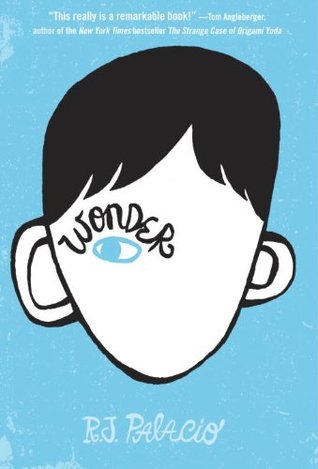
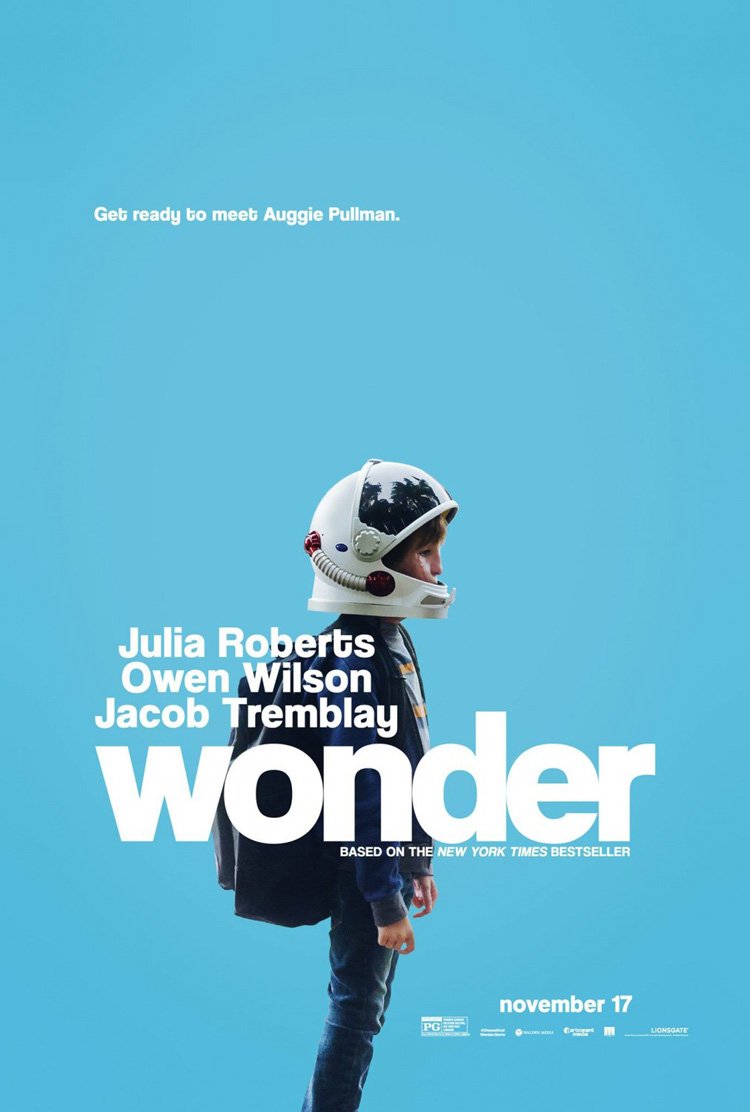
Wonder
Book by R. J. Palacio, published 2012
Movie released 2017

Thoughts: After reading White Bird by R. J. Palacio a couple of weeks ago, I was inspired to finally read Wonder, a book which has become a phenomenon in the 10+ years since it was first published. This middle-grade book is sweet and thoughtful, with an emphasis on kindness, inclusion of multiple points-of-view and experiences, a remarkable main character, and even plenty of humor. I was a little hesitant about watching the movie, worried that it would lean too heavily on the sweet to the point of becoming saccharine, but actually, I found it very, very good. Given that the parents are played by Julia Roberts and Owen Wilson, their roles are a little more prominent than in the book, but not distractingly so. The focus remains on Auggie and his experiences going to school for the first time, and the young cast is quite impressive. The movie captures most of the book’s plot beats, although by necessity, some elements end up left out or diluted. Still, it’s a very well-made adaptation, and well worth checking out.

Verdict: The book for the deeper looks into characters’ experiences… but the movie is great too!

Have you read any of these books or seen the movies? Do you have an opinion on my face-offs? Please share your thoughts!

Book vs TV: Three face-offs… which will win?

It just so happens that I had the chance this past week to watch three adaptations of books I’ve read. Here’s my quick take on the age-old question: Which was better — the book or the movie (or series)?

Face-off #1:

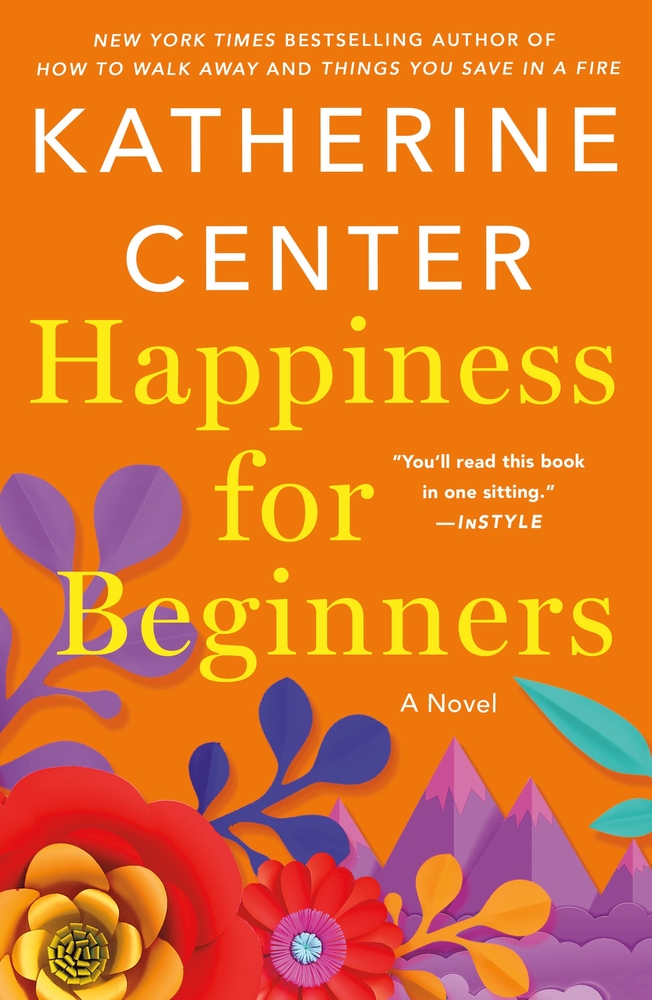
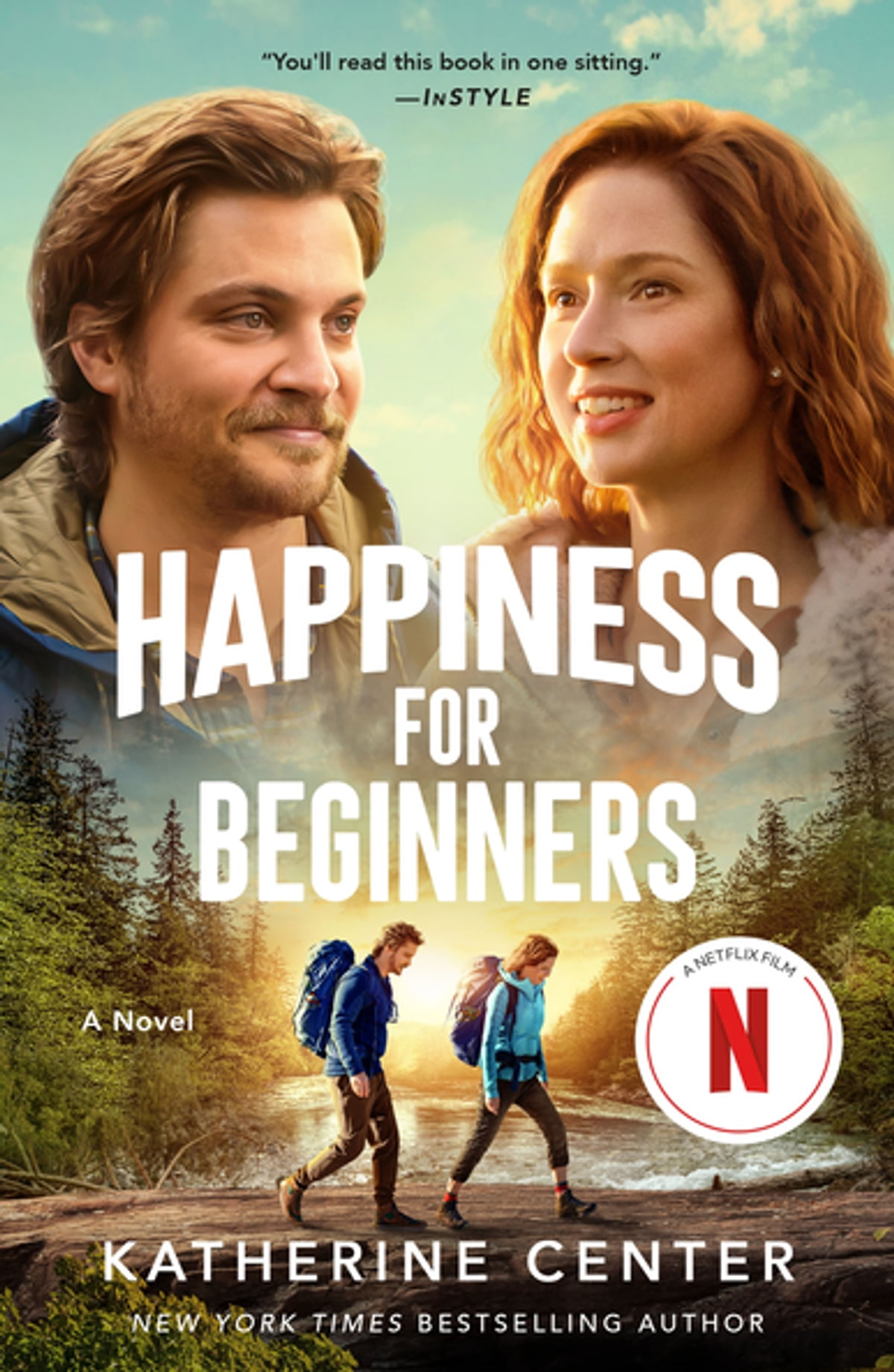
Happiness for Beginners
Book by Katherine Center, published 2015
Netflix movie, released July 2023

Thoughts: Having read the book only two weeks before watching the movie, the book details were possibly too fresh in my mind. It was impossible to avoid comparisons, and unfortunately, that did not work in the movie’s favor. I really enjoyed the book, especially how it showed the main character’s internal growth and her determined efforts to learn to appreciate life more and actively choose happiness. I also enjoyed the group dynamics, and how part of the main character’s romantic dilemma had to do with her perception of a possible connection between her love interest and another woman who she’d developed a genuine friendship with. In the movie version, the emotions never go particularly deep, and a lot of the scenarios are played primarily for laughs. The friendship isn’t explored or emphasized beyond the surface-level, and the hiking itself isn’t presented as being as challenging as it is in the book. Most frustrating of all, many of the issues that make the central romance so interesting in the book are sanded away here. It wasn’t bad to watch, just not especially noteworthy either.

Verdict: The book for the win!

Face-off #2:

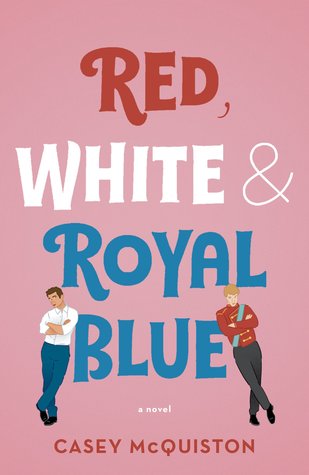
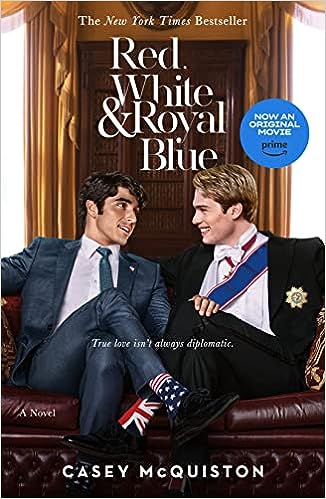
Red, White & Royal Blue
Book by Casey McQuiston, published 2019
Prime Video movie, released July 2023

Thoughts: On the other hand… I read this book four years ago (and loved it) — but other than the bare bones outline of the story, I didn’t have any details in mind while watching this movie, and that saved me from dwelling on what was left out or changed. Instead, I could just watch and enjoy. I liked it a lot, although occasionally Prince Henry came across as a bit too tentative and seemed almost younger than he’s supposed to be. No matter. It’s a really engaging piece of entertainment, and if anything, it’s made me want to revisit the book and see how the two fit together. I suppose for die-hard book fans, there’s no way the movie can live up to expectations, but for me, it worked really well and was a feel-good mood lift.

Verdict: It’s a tie!

Face-off #3:

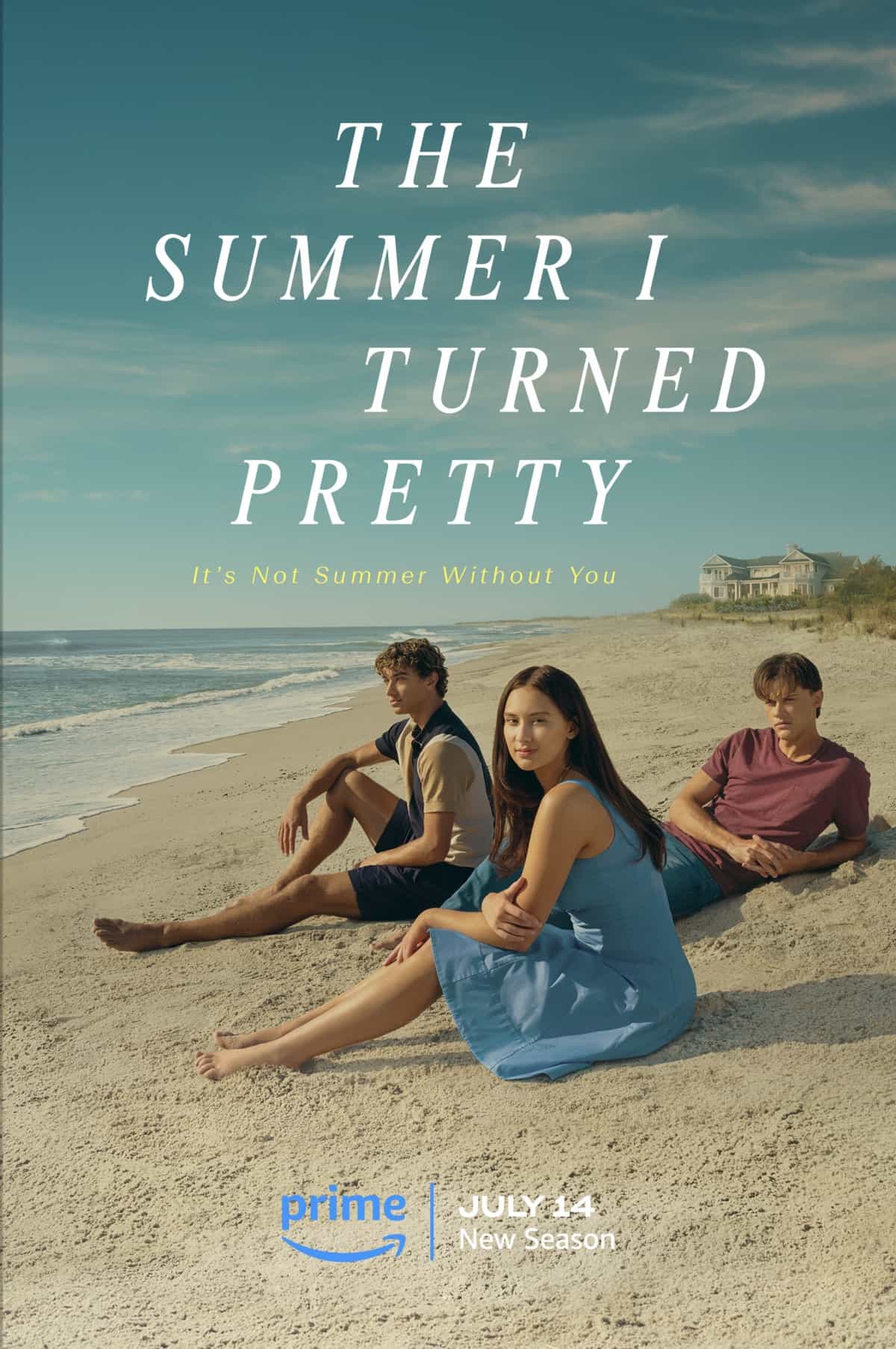
The Summer I Turned Pretty
Book trilogy by Jenny Han, published 2009 – 2011
Prime Video series (two seasons so far), 2022- 2023

Thoughts: While I really enjoyed the books, they didn’t necessarily stick with me over the years, and I was happy to check out the two available seasons of the TV series. The show adds diversity lacking in the book through casting choices and by including bi and trans representation, although it can’t avoid the fact that there is a ton of privilege in all the characters’ lives. After all, a huge piece of the core plot is that this is a story about two families and the fancy beach house they share every summer. Somehow, seeing certain elements on the screen drive home the fact that these teens spend a lot of time upset about things less privileged people could only dream about. The love triangle between main character Belly and the two brothers, Jeremiah and Conrad, also doesn’t translate as well to the screen. Watching it unfold, I just wanted to shake her and tell her to walk away from all this mess — this is not a healthy situation! There’s an underlying element of grief and loss in season 2, but even that somehow seems pushed to the background much of the time — and while the loss absolutely informs every characters’ actions, it doesn’t feel especially real much of the time.

Verdict: Neither is perfect. Read the books for more plot development (and less in-your-face cringe-iness about bouncing back and forth between brothers who really have enough to deal with already) — but watch the show for eye candy, a talented young cast, and interesting dynamics outside of the love triangle.

TV Time: Survivor, Season 44

Another season of Survivor has come and gone — and color me surprised, but this was a good one! While I felt fairly unenthused during the early episodes, by the back half of the season, I was all in.

Mainly, I think this is due to particularly good casting this time around. While the players eliminated in the first half have already completely been erased from my memory, the players who made the merge and beyond were, for the most part, interesting, entertaining, and full of surprises.

For the most part… there were still a few in there who made zero impression, but overall — great job, casting team!

Cast from SURVIVOR Season 44. — Photo: Robert Voets/CBS ©2022 CBS Broadcasting, Inc. All Rights Reserved.

Survivor has been around a LONG time by now, and while the show continues to add new twists, some basics remain. There are challenges, there are alliances, there are players making overly orgasmic sounds when Jeff mentions food…

Fortunately, some of the most annoying gimmicks from past seasons were not included this time around — fire tokens, redemption island, the prisoner’s dilemma option. One fun new element this season was the appearance of locked bird cages with advantages inside — seeing the players frantically try to find keys, figure out their options, and either conceal or reveal their advantages was goofy and silly entertainment.

By the end, there was a core trio who worked their way from underdog status, outnumbered by members of other tribes, to running the game, and I loved them. Carolyn, Carson, and Yam Yam were delightful — solid alliance, really interesting and quirky people, and great game play.

Unfortunately, Carson lost the fire challenge, making him the final jury member rather than earning a seat in the final three. I would have loved to see these three (#TikaStrong #ThreeStooges) battling it out at final tribal, but sadly that was not to be. Instead, a player who I never particularly noticed, Heidi, ended up at the final, and the win went to Yam Yam.

I was mostly okay with the end results. I was a Carolyn fan all the way, and can’t believe she didn’t get a single vote. I liked Yam Yam, and had he not been up against Carolyn, I would have been excited for his win. I can’t quite figure out what the the jury was thinking, except maybe they didn’t see the amount of strategy Carolyn was applying day by day. The TV edit made it clear that behind her outbursts and kookiness, Carolyn was super smart and was on top of every element of the game, but who knows? Maybe the jury just didn’t get that from the tribal council sessions.

My main complaint about the current Survivor format remains the fire challenge — once it’s down to four players, the person who wins the final immunity challenge picks one person to make it to the final three, and the remaining two have to compete to see who makes fire faster. And that’s just a dumb way to have people get to the end.

In this season, Heidi won the last immunity challenge, and made the decision to give up immunity and build fire against Carson, giving Carolyn and Yam Yam seats in the final three. Heidi did this, apparently, to build her Survivor “resume” and show the jury what a great competitor she was. A couple of problems with this: She played a really lackluster game throughout — I never particularly paid attention to her, or noticed anything special about her strategy. She also chose Carson to go up against in fire building, and it was clear that all four of the remaining players knew he was weakest at fire.

So yes, you could call it a risk to give up immunity and do the fire challenge, except I’m sure she realized that Carson wouldn’t have much of a chance. If you want to really go big, battle Carolyn or Yam Yam!

As expected, Heidi won the fire challenge, and then was declared to have set a record for making the fastest fire in Survivor history. But… who cares? She kept bragging about it at the final tribal, but how does that matter? It’s one fire. What about the rest of the season?

Fortunately, the jury ultimately wasn’t impressed enough to vote for her (except for Danny, who was her closest ally all along), and the win went to Yam Yam. He’s terrific, and like I said, I’d be happy for him in any other season.

The winner of Survivor 44

Funny, all of my real life friends who watch Survivor were Team Carolyn all the way to the end, and we all were shocked at the outcome. I hope they bring her and Carson back for future seasons. Justice for Carolyn!

See the bottom of this post for more Carolyn love and some great news!

Re Carson, I loved his enthusiasm, his nerdy dedication to the game, and how much he blossomed playing the show. This is the engineering student who 3D-printed past Survivor puzzles at home prior to playing, so he killed it every single time he had a puzzle to do. Good for Carson — he was smart to give himself every possible advantage — but I hope Survivor now retires all past puzzles and starts fresh!

My #1 plea to Survivor production: Get rid of the fire challenge! It’s been done to death at this point, and is such an unsatisfactory way to determine who gets to the final. I’ve talked about this before, so I’ll just copy and paste my earlier thoughts on this here:

There’s got to be a way that’s better than a fire-making challenge for determining the final three. Maybe when it’s down to four, you have one person win immunity, then let the remaining three battle it out for the next two spots? Otherwise, the one who wins that particular immunity challenge gets an outsized amount of power.

I hate seeing weak players at final tribal, with great players voted out (or eliminated by fire) in the 4th or 5th position. I get it — you want to win, so you try to make sure you’re sitting next to someone you can beat. But wouldn’t it be cool to have three amazing players at the end, each with a really strong argument to pitch to the jury?

The fire challenge has to go. The tribes make fire at camp every single day. So making one fire on one day, faster than your competitor, doesn’t make you more deserving of the Survivor prize. It just means you got lucky that particular day.

If I wanted to dwell on a #2 complaint (which has nothing to do with gameplay), I’d say ditch the immediate reading of votes and the afterparty. Granted, it must suck to be a player and have to wait a year for the reunion show and reading of the votes, as they used to handle this pre-pandemic. Still, how can the finalists — especially the two who didn’t end up winning — get into the mood of the party when they literally JUST found out they lost, and they’re still sitting there unwashed and tired after 26 days? Let them at least take showers and put on clean clothes first!

Anyway…

All in all, a fun season to watch. Jeff Probst’s hosting remains terrific — I love his play-by-play narration of the challenges and the way he handles tribal council. The emergencies early on added some drama, and overall strong casting made this group really entertaining to watch week after week.

I still intend (at some point) to go back and watch one or two earlier seasons that I missed. Meanwhile, I’ll look forward to whatever fresh twists show up in season 45 this fall!

And now, back to the person I truly thought deserved to win this season…

Here’s a quick scene that shows just a little of Carolyn’s personality and quirkiness:

On the #JusticeforCarolyn front, it was welcome news to hear she’d received the Sia Award! (Sia is a huge Survivor fan, and awards money to her favorite player each season). This time around, Sia gave three awards — the biggie went to Carolyn ($100,000), with two smaller awards to Carson and Lauren ($15,000 each). Great choices, no question. Here’s Carolyn’s reaction to the news, being (as always) very Carolyn about the whole thing:

And here’s an entire piece on the glory of Carolyn: https://www.vulture.com/article/survivor-44-carolyn-was-the-true-winner.html

Wrapping it all up:

Despite some unevenness early on, this ended up being one of the best Survivor seasons in recent years. As I mentioned, many of the folks voted off in early episodes are completely gone from my memory, but the second half of the season more than made up for an earlier duds.

The next season airs in September. As always, I feel pretty skeptical when I watch the trailer for the upcoming season — these always feel kind of samey. But, after the fun of season 44, I’m willing to remain open-minded and hope the casting pays off once again.

TV Time: Daisy Jones & The Six (Prime Video)

Whew. I made it! The final two episodes of the 10-episode mini-series Daisy Jones & The Six dropped this week, and I blasted through them. And overall, despite some misgivings, I have to say that this is a series well worth watching.

I read the book by Taylor Jenkins Reid years ago when it was released, and absolutely loved it. (See for yourself, here). So I was both incredibly excited and incredibly nervous to hear that it would be adapted as a TV series. Excited, because I loved the story. And obviously, nervous — what if they ruined it???

Now that Daisy Jones & The Six — the series — is a reality, I can safely say that it works… mostly. The show captures the rise and fall of this (fictional) legendary 1970s rock band — a band that called it quits right at the pinnacle of their success.

Talking just about the show for a moment, the series has documentary-style interviews framing the main action. Right from the start, we learn that Daisy Jones & The Six (the band) played a stunning concert in Chicago in 1977, then never performed together again. What happened, and why, is the driving question of the series.

Various band members and associates are interviewed in the late 90s, looking back on their memories, but these brief clips are used to bookend the main action, where we actually see the events unfold in the 60s and 70s.

As the series opens, Billy and Graham Dunne are high school students living in the Pittsburgh area, playing rock and roll in their garage with a few friends, and ultimately deciding to try to make it as the Dunne Brothers band. After playing weddings and local gigs, they hit the road in pursuit of the music world’s promised land, LA, along with older brother Billy’s new girlfriend, Camilla.

Success is slow to arrive, but Billy, as lead singer, displays rock star charisma early on, and they play more and more gigs, although still not quite breaking through to the stratosphere of rock success. Once they land a record deal, they change their name to The Six, and launch their first tour — with success, but with a devastating effect on Billy and Camilla’s personal lives.

Meanwhile, we also meet Daisy, the ignored daughter of a wealthy, narcissistic LA couple. Left to her own devices, Daisy finds solace in music, and by her early teens, is hanging out by the stage doors of clubs and bars, making her way into the sex, drugs, and rock and roll scene at much too young an age.

Eventually, Daisy and The Six are brought together by their mutual producer, and magic happens, although not without resentment and complications. From there, it’s inevitable that Daisy and The Six will join forces, and it becomes clear that Billy and Daisy have a chemistry between them that goes way beyond the music they create.

Okay, enough synopsis…

The series really captures the vibe of the 70s music scene. Supposedly inspired by the music as well as the behind-the-scenes drama of Fleetwood Mac, Daisy Jones & The Six rocket to stardom, but with huge emotional cost. There’s all the pills, speed, and coke you’d expect, and the drama between the band members stays at a high pitch throughout.

I was skeptical at first about the musical aspect of the show. It’s a show about rockstars, but those rockstars are played by actors, not musicians. And yet, what they achieve is really impressive. There’s no air guitar or lip syncing here — every bit of music is performed by the cast, and they do it convincingly. Not every number is a huge hit, and the comparison to Fleetwood Mac means they have a very high bar to meet — and the show doesn’t always succeed in showing why these songs, this album, this band became so huge.

As a whole, the show gets better and better from episode to episode. Maybe I just became more invested, but it also felt like the cast start to really inhabit their characters more and more as the story progressed.

As for the cast, the age factor is problematic in the early episodes. We meet Billy and his friends as teens, played by a younger set of actors, but the main cast takes over when the characters should still be in their early 20s, and that was hard to swallow. Billy is played by Sam Claflin, who’s definitely talented and brings Billy’s inner demons and outer showman to life so well — but the actor is in his mid-30s, and just looks out of place as a younger Billy. I tried to ignore it, but it was uncomfortable — it works much better in later episodes, when the band has more years of hard living under their belts.

Riley Keough is terrific as Daisy, although again, much better in the later episodes. With the Daisy character, she doesn’t come across as quite as much of a hot mess as she’s supposed to be in the first third or so of the series. It’s only later, as she becomes more and more of a disaster, that she becomes truly fascinating.

BOOK & SHOW SPOILERS AHEAD!!

SERIOUSLY, SPOILERS!

In terms of comparisons to the book, I don’t think the series stands up quite as well in a direct comparison. I can’t judge how well it works for people who haven’t read the book. For me, I decided to do a re-read before the show aired, which was quite probably a mistake. With the story so fresh in my mind, I couldn’t help comparing each major beat of the series to how it was presented in the book, and that got in the way of my being able to just watch and enjoy it for what it is.

The most glaring change is the presentation of the Billy/Daisy/Camilla dynamic, which in the series, is a pretty clear love triangle. Billy loves his wife and the stability she represents, but Daisy is his creative soulmate, and possibly more. Billy and Daisy connect through music and have a chemistry that they both deny in different ways. In the book, nothing actually happens between Billy and Daisy, and ultimately, Camilla steps in to send Daisy away, basically doing her a kindness by telling her not to keep hurting herself through loving Billy, when Billy would never, ever leave his family for her. In the series, however, Camilla is hurt and angry, the confrontations are between Camilla and Billy, and Billy comes much closer to destroying his marriage and giving in to both his addictions and his need for Daisy. (It’s a good story, but was hard for me to watch because I kept thinking about how the book depicted the crisis).

(Camilla’s behavior in general is very different in the series from how I perceived it in the book. And we might argue that she’s too good to be true in the book, but I was disturbed by some of her actions and choices in the show, which from my perspective seem out of character.)

There are plenty of other differences, but mostly in smaller pieces of the puzzle. At the start, I was disappointed that the lyrics to the songs had changed — the book includes lyrics to all the songs written by Billy and Daisy. Still, in terms of the series, I had to admire the creativity. Obviously, the book provided lyrics without music, so the series producers brought in teams of singers and songwriters to create the music, and gave these creators the freedom to write new versions of the songs that worked for them, while keeping the underlying themes and messages.

END OF SPOILERS

The music is actually quite a lot of fun, once I eased up on the comparisons and let myself enjoy it. I think it’s somewhat hilarious that the album Aurora by Daisy Jones & The Six is a real thing that exists… and no, I haven’t purchased it, but that doesn’t mean I’m not tempted!

A little clip for your viewing/listening pleasure:

Now that I’ve reached the end, I can’t quite get the story or the songs out of my mind. I’m very tempted to start all over again from the beginning — with a second viewing, I think I’ll be able to focus much more on what’s on the screen in front of me without the mental distractions of comparisons to the book.

So, bottom line — do I recommend the TV version of Daisy Jones & The Six? Yes, most definitely. It’s a bit uneven, not necessarily successful in every single episode, but overall, it delivers that rock story and emotional messiness that the trailer promises, and the talented cast really sells it all.

Have you watched Daisy Jones & The Six? If so, what did you think?

Titanic! A few thoughts (and books) in honor of the movie’s 25th anniversary

25 years! Has it really been 25 year since we (I) sat spellbound for 3+ hours watching the epic love story of Jack and Rose and the terrible tragedy of the Titanic’s sinking? (And for some of us, 25 years since we watched this movie MULTIPLE TIMES??)

It’s true. This month, in honor of the 25th anniversary, a remastered 3D version of the movie was released in theaters… and naturally, I had to go see it. Yes, I’ve seen the movie more than once already (three times, I think, which is still fewer viewings than some of my more fanatical friends can claim), but I couldn’t resist the opportunity to experience it once again on the big screen.

I’m so glad I did! I went this past Monday… and loved every moment. Sure, some of the panned-out views of the ship are more glaringly CGI than they seemed 25 years ago, but still — the visuals are gorgeous, and the overall impact is still there, powerful as ever.

It was sweet seeing how young Kate and Leo were back then, and while the romance still has its fair share of super cheesy lines, I still found it lovely, and I truly enjoyed the experience.

Here’s the trailer for the anniversary re-release:

Sigh. I’m not over it. Clearly.

Meanwhile, creator James Cameron hosts Titanic: 25 Years Later on the NatGeo channel (also streaming on Disney+), a one-hour retrospective that goes back and revisits some of the new developments and discoveries about the Titanic that have come about in the last 25 years… and most crucially, settles the door debate once and for all!

Could Jack have lived if he’d gotten onto the floating door with Rose? Was there enough room for two? The show recreates the moment in a controlled environment, having two stunt people try out different options for sharing the space and seeing if Jack’s body temperature could have remained high enough for him to survive until a rescue boat arrived. I gotta admit, it was pretty fascinating! Spoiler for those who don’t plan to watch — it’s a maybe! After trying several difference options, one scenario did seem to suggest that Jack and Rose could have both survived, but only if they’d known to situate themselves in just the right way, which seems doubtful. So… I’ll stick with the idea that there really wasn’t a viable choice, and mourn for poor Jack, who sacrificed his own life to give Rose the change to live.

Here’s a little snippet:

The whole show is fascinating — definitely worth checking out!

Meanwhile, back in the world of books…

Having watched Titanic this week, I’m in the mood to read about it too! I’ve read several novels set on the Titanic, and have a few others on my to-read list:

I’ve read:

Every Man For Himself by Beryl Bainbridge (published 1996)

I read this book over ten years ago, and while I don’t remember many of the fictional elements, I do remember being impressed by how well this book conveys the human tragedy and the awful timeline of the events.


The Midnight Watch by David Dyer (published 2016)

Heartbreaking story about the SS Californian, a ship that was near enough to see Titanic’s distress flares yet waited to offer assistance. Woven into the narrative is the story of a family traveling in steerage on Titanic. Combined, these two plotlines make for powerful reading. (review)


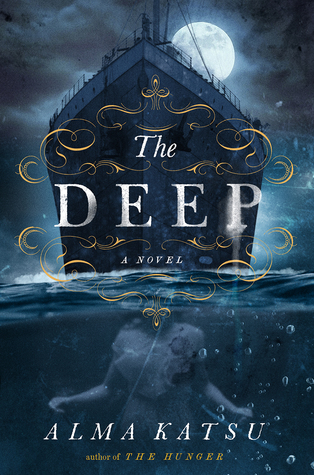
The Deep by Alma Katsu

Oh dear. This one really did not work for me. It’s a ghost story/horror story set onboard Titanic, and I found it pretty muddled and unnecessary. In some ways, the ghost story might have been much better if it were set on a random ship, but combining it with the Titanic story was not great. (review)


But wait, there’s more! Here are a handful of Titanic-themed novels that I either own copies of or have on my TBR list, but have yet to read. (I’m sure there are many, many more to choose from, but these are the ones that have caught my eye so far):

The Luck of the Titanic by Stacey Lee (published 2021)

Valora Luck has two things: a ticket for the biggest and most luxurious ocean liner in the world, and a dream of leaving England behind and making a life for herself as a circus performer in New York. Much to her surprise, though, she’s turned away at the gangway; apparently, Chinese people aren’t allowed into America...

Note: I’m starting this book today!


A Brilliant Night of Stars and Ice by Rebecca Connolly (published 2022)

Shortly after midnight on April 15, 1912, the captain of the Carpathia, Arthur Rostron, wakes to a distress signal from the Titanic, which has struck an iceberg on its maiden voyage. Though information is scarce, Rostron leaps into action, determined to answer the call for help. But the Carpathia is more than four hours away, and there are more questions than answers: Will his ship hold together if pushed to never-before-tested speeds? What if he also strikes an iceberg? And with the freezing temperatures, will there be any survivors by the time the Carpathia arrives?


A Night to Remember by Walter Lord (published 1955)

OK, this one is non-fiction, but it’s supposed to be an amazing read:

First published in 1955, A Night to Remember remains a completely riveting account of the Titanic’s fatal collision and the behavior of the passengers and crew, both noble and ignominious. Some sacrificed their lives, while others fought like animals for their own survival. Wives beseeched husbands to join them in lifeboats; gentlemen went taut-lipped to their deaths in full evening dress; and hundreds of steerage passengers, trapped below decks, sought help in vain.


The Girl Who Came Home by Hazel Gaynor (published 2012)

A voyage across the ocean becomes the odyssey of a lifetime for a young Irish woman. . . .

Ireland, 1912 . . .

Fourteen members of a small village set sail on RMS Titanic, hoping to find a better life in America. For seventeen-year-old Maggie Murphy, the journey is bittersweet. Though her future lies in an unknown new place, her heart remains in Ireland with Séamus, the sweetheart she left behind. When disaster strikes, Maggie is one of the few passengers in steerage to survive. Waking up alone in a New York hospital, she vows never to speak of the terror and panic of that fateful night again...


The Second Mrs. Astor by Shana Abé (published 2021)

This riveting novel takes you inside the scandalous courtship and catastrophic honeymoon aboard the Titanic of the most famous couple of their time—John Jacob Astor and Madeleine Force. Told in rich detail, this novel of sweeping historical fiction will stay with readers long after turning the last page...

Have you read any great fiction about the Titanic? Or do you have a favorite non-fiction account to recommend?

I’m sure my Titanic obsession will ease up a bit as time goes by… but seeing the movie again definitely brought up all those feelings!