Audiobook Review: Better Than Fiction by Alexa Martin

Title: Better Than Fiction
Author: Alexa Martin
Narrators: Nicole Lewis
Publisher: Berkley
Publication date: November 8, 2022
Print length: 384 pages
Audio length: 8 hours 47 minutes
Genre: Contemporary romance
Source: Purchased (paperback); library (audiobook)
Rating:

Rating: 4 out of 5.

Love isn’t always by the books in this charming romantic comedy about a bookseller discovering how to be the main character in her story.

As a self-proclaimed book hater and a firm believer that the movie is always better, Drew Young didn’t anticipate inheriting her grandma’s bookstore, the Book Nook. She’s in way over her head even before the shop’s resident book club, comprising seven of the naughtiest old ladies ever, begin to do what they do best–meddle.

Bestselling author Jasper Williams is a hopeless romantic. When he meets Drew at his Book Nook signing event, he becomes determined to show her the beauty of reading. He curates a book bucket list in exchange for her help exploring the local Denver scene for his current manuscript. From river rafting to local restaurants, Drew begins to connect with Jasper in a way she only thought happened in fiction.

When messy family ties jeopardize the future of the Book Nook, Drew is caught between a bookshelf and a hard place. She’s reminded that real life isn’t always big dreams and sweeping romance. But Jasper is the plot twist she never saw coming and he’s writing a happily ever after just for them.

When I first encountered a recommendation for Better Than Fiction a couple of years ago, my initial reaction was “hard pass”. Why would I want to read about a main character who hates books? No thanks.

But then, on a recent visit to the Strand bookstore in New York, I gave into temptation and picked this up:
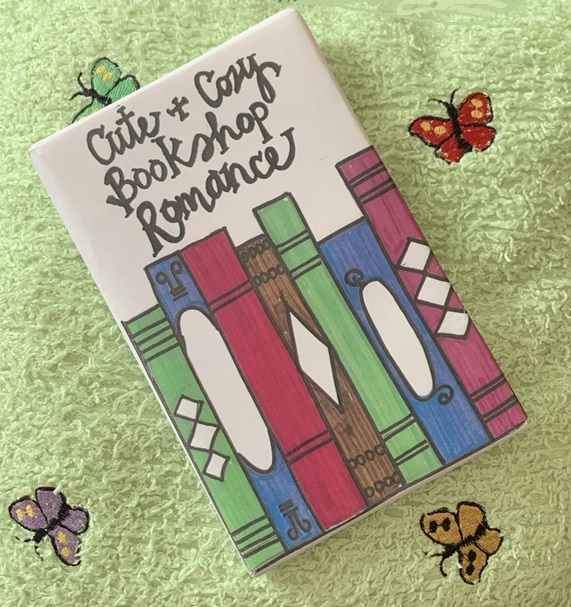
I knew I was taking a risk with a “blind date with a book”, but it was just so cute! And naturally, once I opened the wrapping and discovered that it was a book I didn’t think I wanted to read, I was hesitant… but that’s the thing about blind dates: Sometimes, you just see it through and hope for the best!

In this case, my blind date was a surprisingly great time! (Not that I’ve really been on blind dates IRL, but we all hear the horror stories). Better Than Fiction was a joyful, fast-paced read, and I enjoyed it way more than I expected to.

Because I tend to read romances as audiobooks, I borrowed the audio version of this one from the library, then used my paperback to bookmark and add sticky notes to places I wanted to remember. Win-win!

Okay, so the book itself: A year after her beloved grandmother Alice’s death, Drew has put her own plans and dreams on hold to keep Alice’s legacy alive. While some of Drew’s happiest memories are of time spent in the Book Nook, it was because of Alice and the time they spent together — not from a love of the books themselves

Drew herself is not a reader — from her perspective, why spend time on made-up stories when the real world has so much beauty in it? Her passion is the outdoors and nature photography, and she was just starting to make a name for herself and build her professional career when Alice’s death derailed all her plans. Drew feels an immense responsibility to make sure the Book Nook thrives, but she’s completely cut herself off from photography and her sources of joy in order to make it happen. On top of all that, she’s still reeling from Alice’s death and suffering grief that hasn’t eased with time — and her estranged father (who’s absolutely the worst) is making everything harder for her.

Luckily, Drew has a best friend, Elsie, in her corner, and unexpectedly reunites and forms a bond with her younger half-sister Daisy, who is nothing like her father (thank goodness). And then there’s the Dirty Birds — a group of seven older women whose book group focuses on romance novels, and who like nothing more than watching over Drew and trying to “fix” her life.

When the Dirty Birds arrange for bestselling romance author Jasper Williams to stop by the Book Nook for a signing, Drew is unimpressed… until he walks in the door and they get a good look at one another. Sparks fly. And while Drew isn’t looking for love or any sort of relationship, she and Jasper hit it off and seem drawn to one another right away. They make a deal: Drew will act as tour guide for Jasper, showing him some of her favorite outdoor destinations around Colorado as background for the new book he’s working on, and he’ll put together a list of books for Drew to read, paired with outings tied to the books, to help convince her that this reading thing is worth her time.

There are complications, of course, mainly related to the fate of the Book Nook and whether Jasper has been completely honest with Drew. Drew also learns that Alice’s intentions for her may have been different than what she originally thought, throwing her life plans into serious disarray.

As expected, there’s a third act major breakup, followed by the traditional grand gesture. Honestly, for once I’d like a contemporary romance that doesn’t follow this trajectory… but we have what we have. I thought the reasons for the breakup were a bit flimsy, and could have been worked out with some straightforward communication. (Poor communications in romance novels is a big peeve for me). Still, the grand gesture moment is charming, and there’s a very nice resolution to it all.

My only other real quibble with the book (and it’s fairly minor) is the reliance on slang like “obvi” and “def” (for definitely) that pops up throughout the book as part of Drew’s first-person narration. It may work better on the page, but in the audiobook, it sounds like a jarring wrong note. (Also, in one scene, she uses the word “cosign” — twice! — to mean agreeing with something, as in “‘She’s not wrong,’ Daisy cosigns…”, and I was not a fan!)

I really enjoyed the Colorado travel aspects of the story, and only wish there had been more of this. (Drew and Jasper go on three significant outings — more would have been even better!). Ditto re the reading list. Drew describes one or two of the books Jasper gives her to read (the first one sounds a lot like Daisy Jones & The Six), but doesn’t actually name them. I would have loved seeing Drew’s Reading List as an extra at the back of the book!

Narrator Nicole Lewis does a terrific job with the audiobook, really bringing Drew’s personality to life — from her innate sparkle to her grief and struggles, it all feels real and genuine.

Overall, I really enjoyed Better Than Fiction, which just goes to show that some blind dates can defy expectations and lead to good things!
A quartet of beautiful books: Slim volumes to enjoy (or give as gifts)

Over the past couple of weeks, I’ve carved out time to savor some of the slim, gift-worthy hardcovers that I’ve treated myself to recently. All are lovely in their own way. Read on for the details… maybe you’ll find an inspiration for the upcoming holiday season!

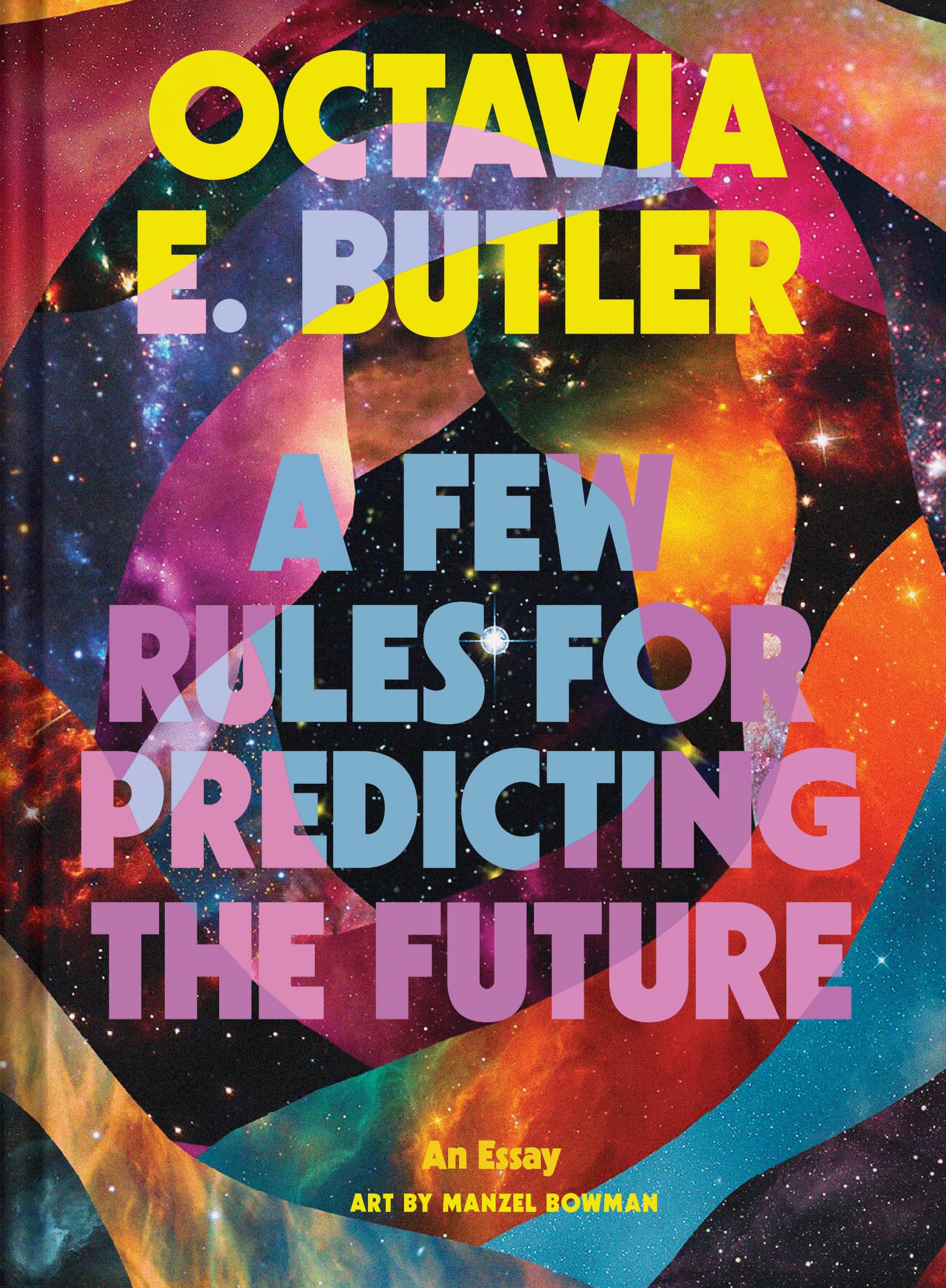
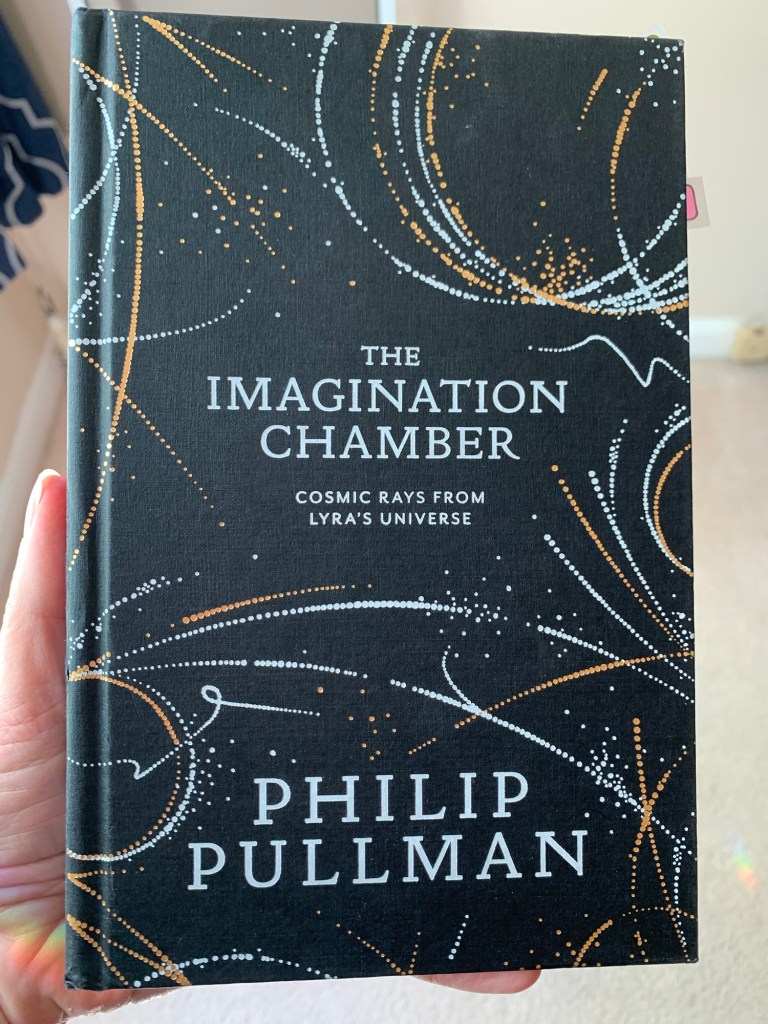
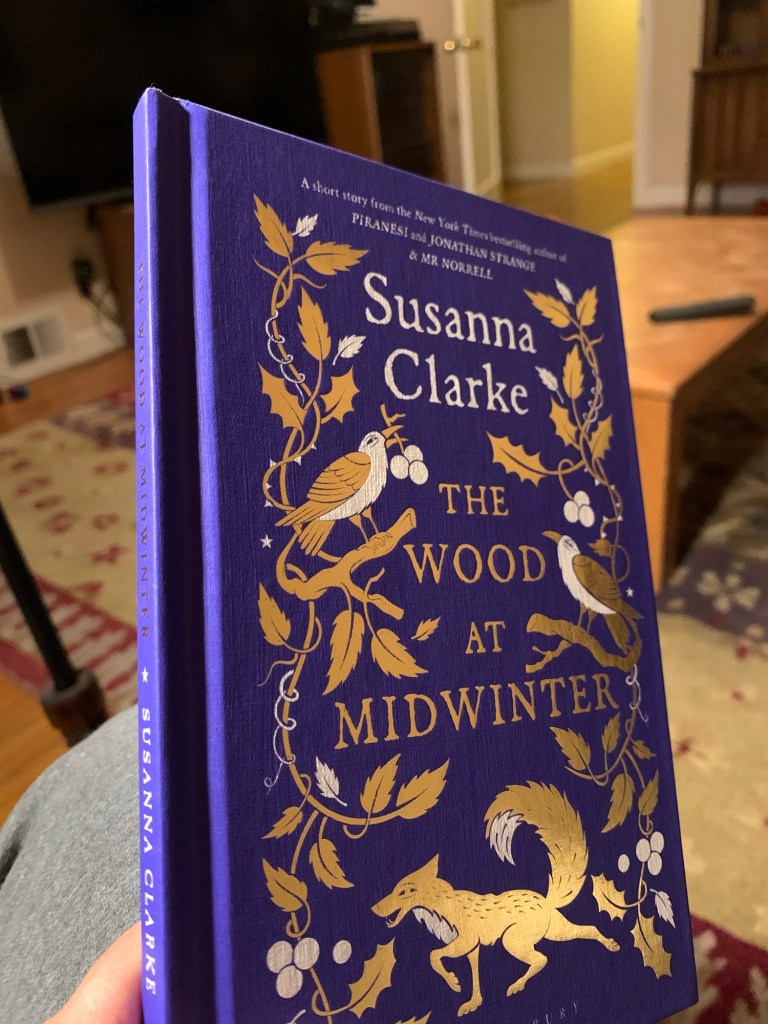
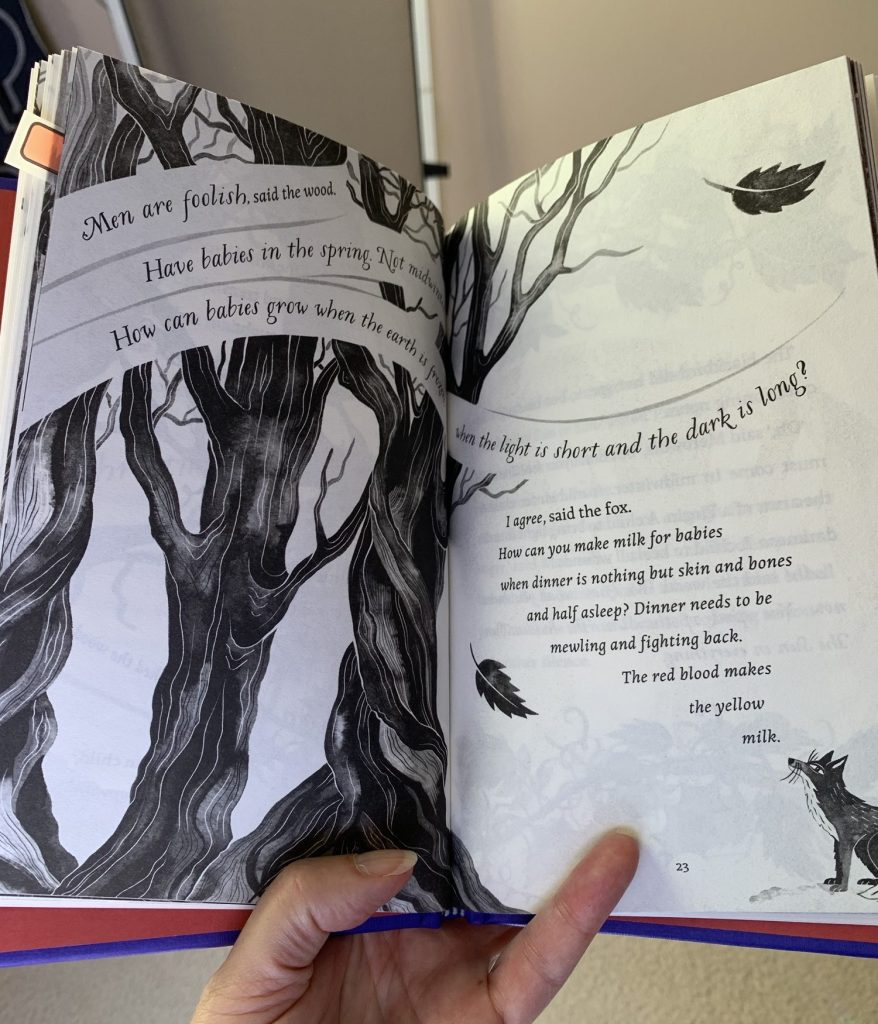
Note 1: The physical books themselves are all so gorgeous that I’m including a little gallery at the end, to give a sense — beyond the Goodreads-featured covers — of how special they all are.

Note 2: You may notice that I didn’t provide ratings in my write-ups below… that’s because I’d give each and every one 5 glowing stars!


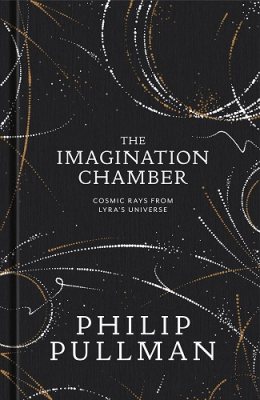
The Imagination Chamber: Cosmic Rays from Lyra’s Universe by Philip Pullman: The Imagination Chamber is a collection of snippets, little bits and pieces of text from the author’s imagination that float through the worlds of His Dark Materials. Some pages contain just a sentence or two; some, a few paragraphs. There’s no overarching story, just a sampling of ideas. 

A daemon is not an animal, of course; a daemon is a person. A real cat, face to face with a daemon in cat form, would not be puzzled for a moment. She would see a human being.

I’ve seen some complaints from reviewers about what this book is not — it’s not a novel, or novella, or a short story. It truly is simple — just an assortment of bursts of imagination from the author’s mind, all of which tie into the series in some way. I can understand the frustration if these reviewers expected something other than what they got. As for me, I understood what to expect, and loved savoring this sampling of beautiful writing and ideas.

In Lyra’s world people got used to knowing that their daemons talked to other people’s daemons, and could perceive dislike, coldness, attraction, sympathy, etc, without their people saying a word, or while they were talking of something entirely different. Later their people might realize that (for example) they had made a lifelong enemy, or that they’d fallen in love.

Recommended for: Fans of the His Dark Materials series.

Details:
Published: 2019
Pages: 87


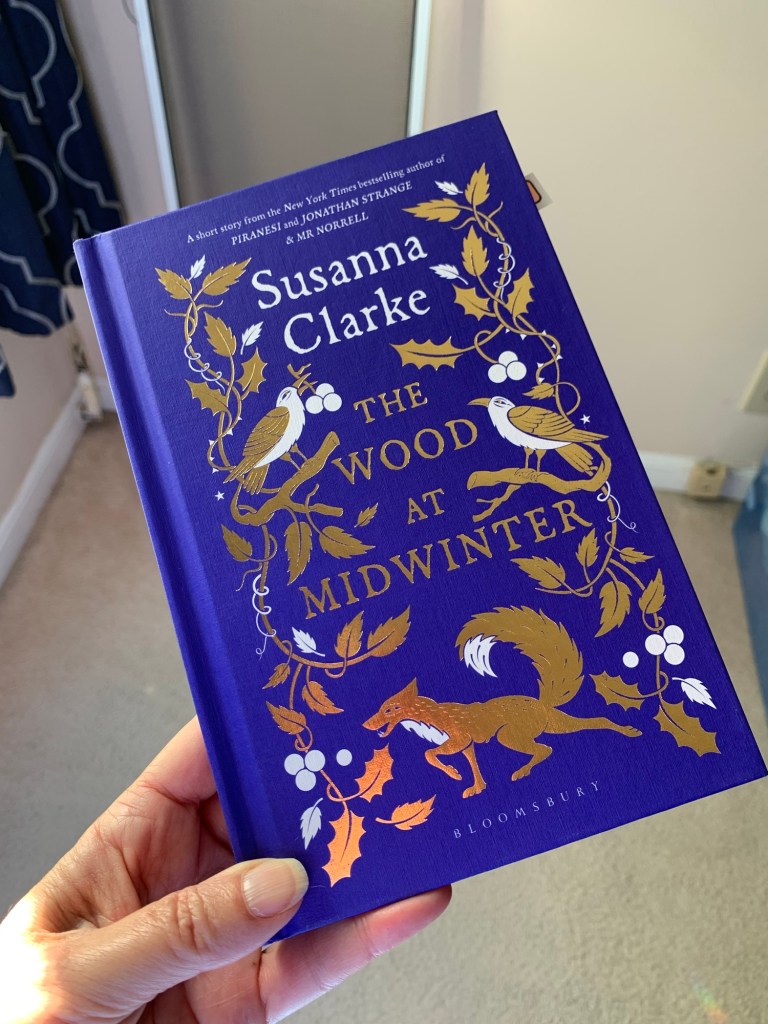
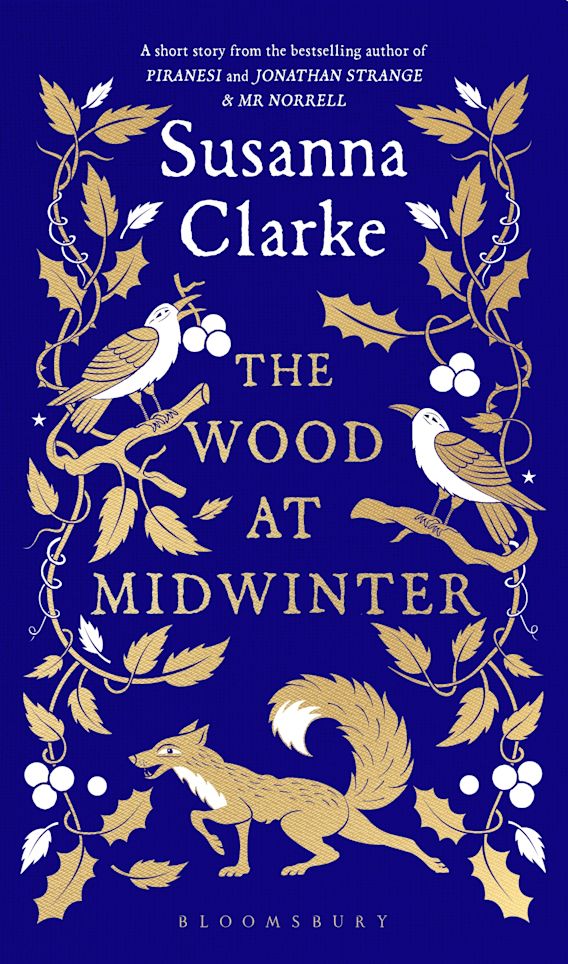
The Wood at Midwinter by Susanna Clarke: What a surprising delight! This short, simple story is a fairy tale about a woman who finds true happiness in the forest, among the trees and animals who love her as much as she loves them. It’s odd and lovely, and the book itself is gorgeous, filled with black-and-white illustrations (by Victoria Sawdon) that add to the sense of enchantment.

Recommended for: Readers who enjoy thoughtful fairy tales, beautifully crafted illustrated stories.

Details:
Published: 2024
Pages: 64


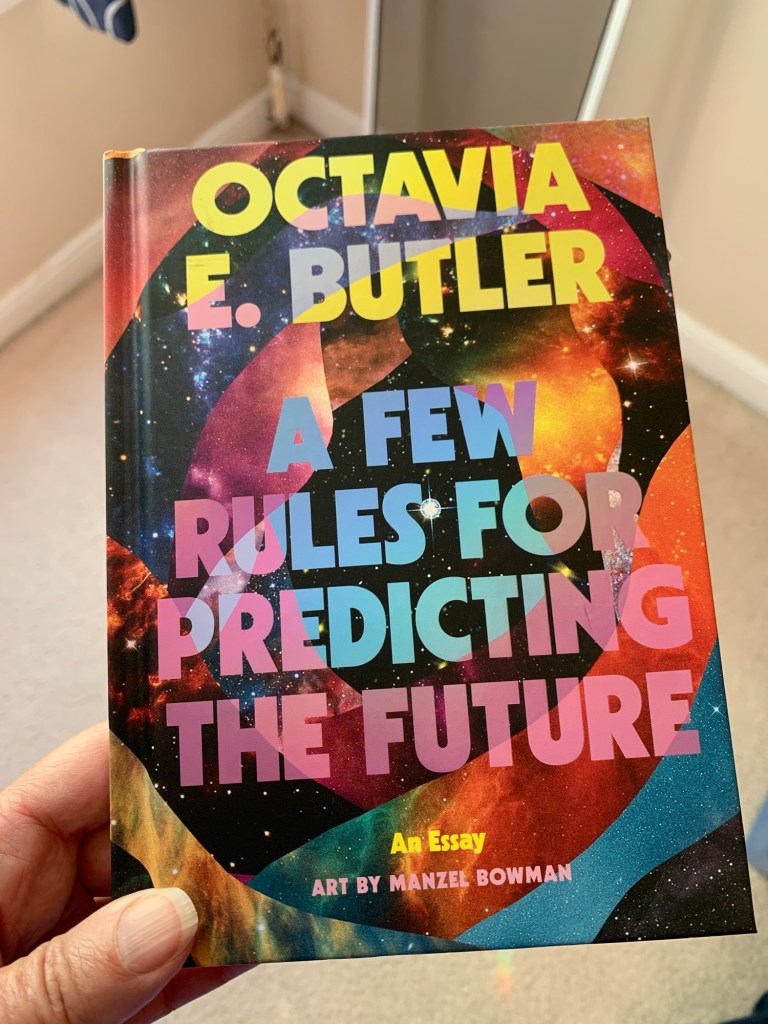
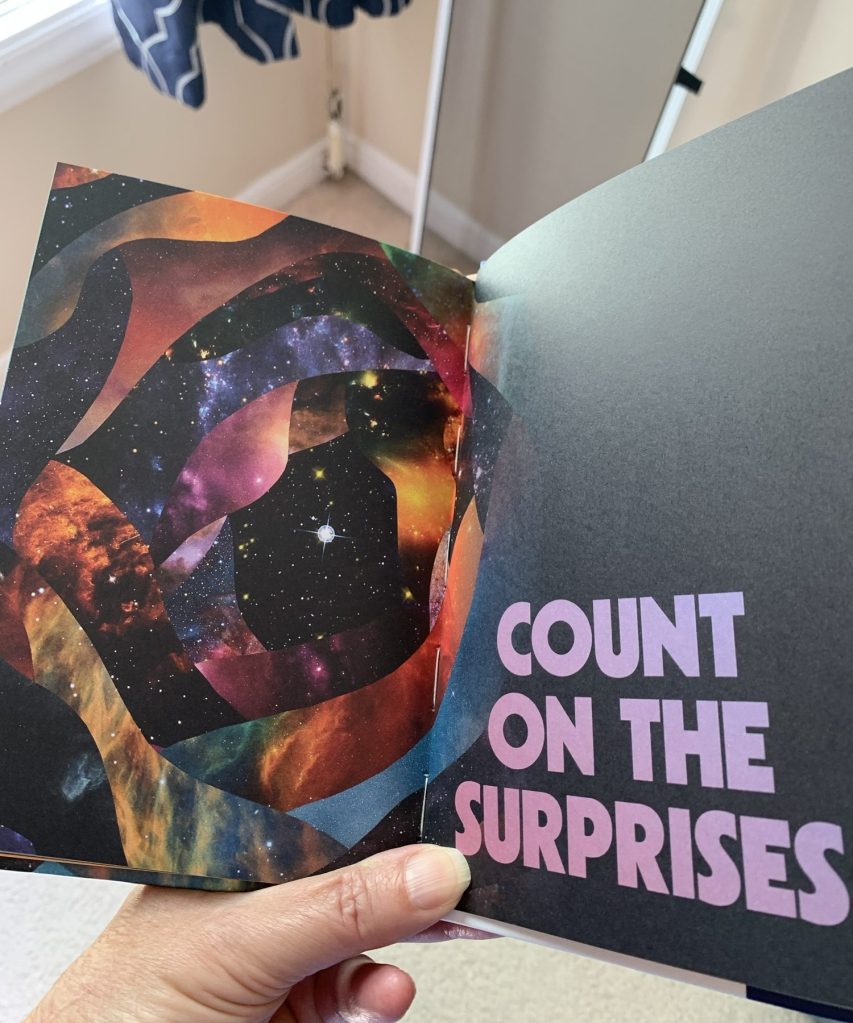
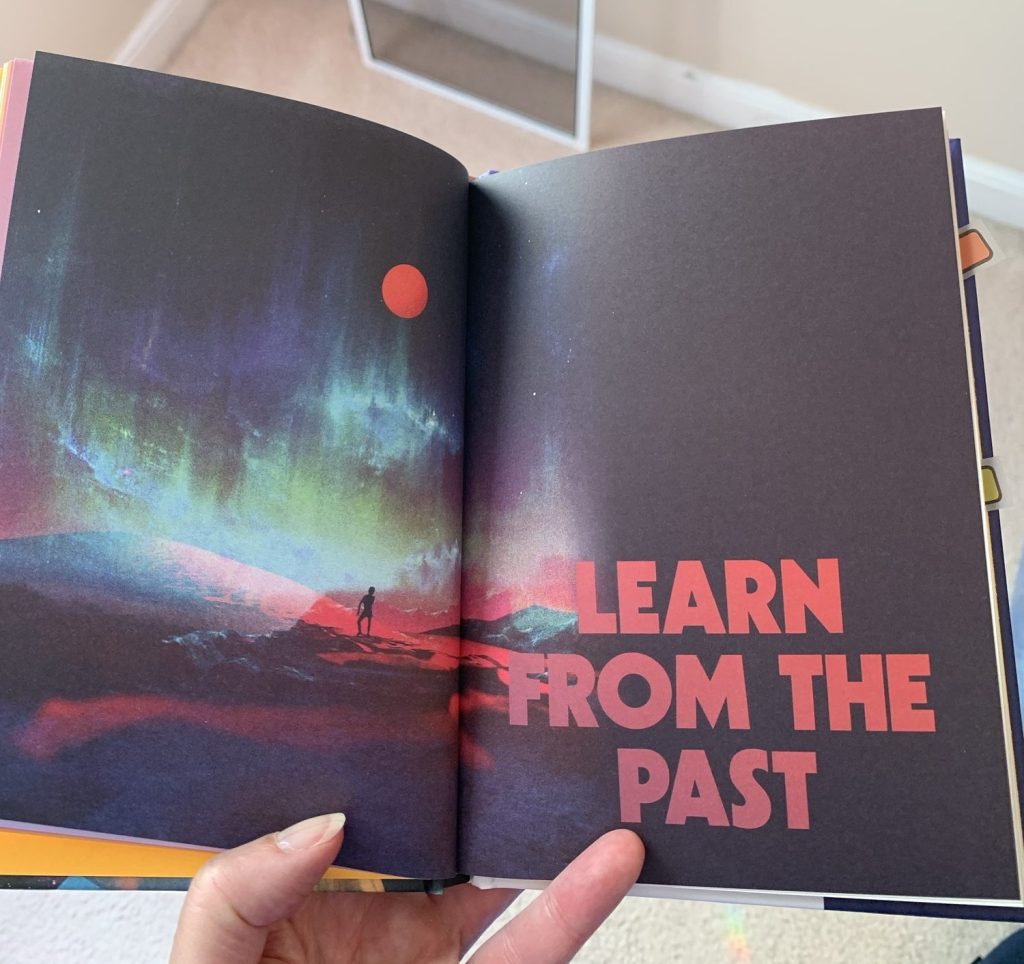
A Few Rules for Predicting the Future by Octavia E. Butler: This slim book presents an essay (originally published in 2000) by the late, great Octavia Butler alongside absolutely gorgeous artwork (by Manzel Bowman). It’s short, succinct, and wise, and in relatively few words, conveys the author’s unique outlook.

Apollo 11 reached the moon in July 1969. I had already left home by then, and I believed I was watching humanity leave home. I assumed that we would go on to establish lunar colonies and eventually send people to Mars. We probably will do those things someday but I never imagined that it would take as long as it has. Moral: Wishful thinking is no more help in predicting the future than fear, superstition or depression.

The conclusion is especially powerful:

So why try to predict the future at all if it’s so difficult, so nearly impossible? Because making predictions is one way to give warning when we see ourselves drifting in dangerous directions. Because prediction is a useful way of pointing out safer, wiser, courses. Because, most of all, our tomorrow is the child of our today. Through thought and deed, we exert a great deal of influence over this child, even though we can’t control it absolutely. Best to think about it, though. Best to try to shape it into something good. Best to do that for any child.

Recommended for: Anyone, really — obviously for Butler fans, but more generally, for readers of speculative fiction, and anyone who appreciates smart, sharp writing paired with beautiful artwork.

Details:
Published: 2024
Pages: 56


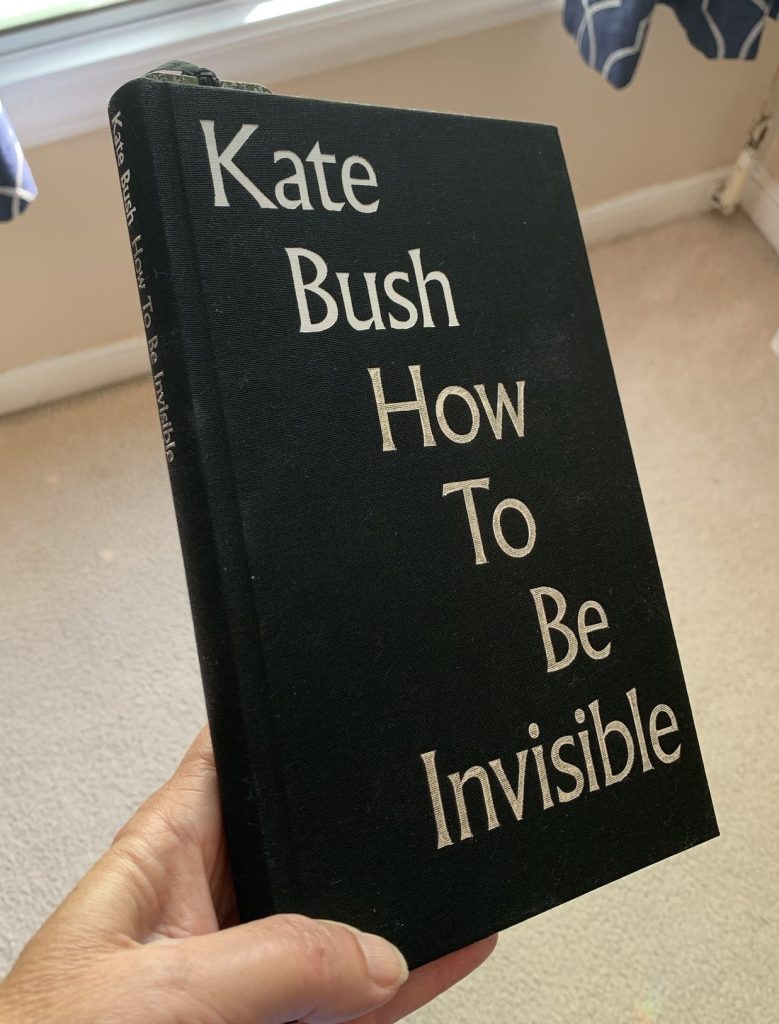
How To Be Invisible by Kate Bush: A collection of the lyrics of the amazing Kate Bush, curated by the singer/songwriter herself. An introduction by the writer David Mitchell is a deeply personal and highly informative essay on the impact of Kate Bush’s work across the years of her career, and gives context and greater insight into many of her songs.

And if I only could
I’d make a deal with God
And I’d get him to swap our places
Be running up that road
Be running up that hill
Be running up that building
If I only could

The book itself presents song lyrics, organized thematically into different sections. Some of these I knew and loved; many are new to me, and I enjoyed reading the words even while realizing that without the music, I wasn’t getting the full impact. But that’s okay — the words themselves are amazing to read.

I’d actually bought copies for myself and for my daughter a few years ago, but after a quick initial glance, put in on my shelf until “later”… which is finally now. In a wonderful case of serendipity, the author notes at the end of the Susanna Clarke book credit Kate Bush’s music as inspiration**, and that drove me to return to How To Be Invisible and finally take the time to savor it. (I haven’t read every single page yet — after the intro, I paged through and read lyrics randomly, and plan to keep the book on my reading table, to further explore at a leisurely pace.)

Recommended for: Kate Bush fans, of course, but also those who may only know her work in passing and are open to a deeper dive.

Details:
Published: 2018
Pages: 194


A gallery of images of these amazing books:


**She mentions several of my favorites, including Under Ice:

It’s wonderful
Everywhere
So white
The river has frozen over
Not a soul
On the ice
Only me
Skating fast
I’m speeding past trees leaving
Little lines
In the ice
Cutting out
Little lines
In the ice, splitting
Splitting sound
Silver heels spitting
Spitting snow
There’s something moving under
Under the ice
Moving under ice
Through water
Trying to get out of the cold water
It’s me
Something, someone — help them
It’s meSave

Save

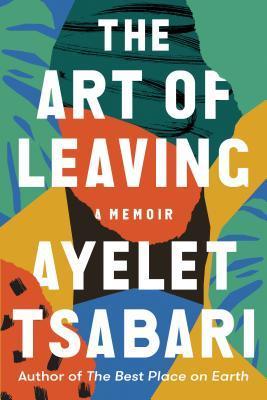
Book Review: The Art of Leaving: A Memoir by Ayelet Tsabari

Title: The Art of Leaving: A Memoir
Author: Ayelet Tsabari
Publisher: HarperCollins
Publication date: February 1, 2019
Length: 317 pages
Genre: Memoir
Source: Library
Rating:

Rating: 3.5 out of 5.

An unforgettable memoir about a young woman who tries to outrun loss, but eventually finds a way home.

Ayelet Tsabari was 21 years old the first time she left Tel Aviv with no plans to return. Restless after two turbulent mandatory years in the Israel Defense Forces, Tsabari longed to get away. It was not the never-ending conflict that drove her, but the grief that had shaken the foundations of her home. The loss of Tsabari’s beloved father in years past had left her alienated and exiled within her own large Yemeni family and at odds with her Mizrahi identity. By leaving, she would be free to reinvent herself and to rewrite her own story.

For nearly a decade, Tsabari travelled, through India, Europe, the US and Canada, as though her life might go stagnant without perpetual motion. She moved fast and often because—as in the Intifada—it was safer to keep going than to stand still. Soon the act of leaving—jobs, friends and relationships—came to feel most like home.

But a series of dramatic events forced Tsabari to examine her choices and her feelings of longing and displacement. By periodically returning to Israel, Tsabari began to examine her Jewish-Yemeni background and the Mizrahi identity she had once rejected, as well as unearthing a family history that had been untold for years. What she found resonated deeply with her own immigrant experience and struggles with new motherhood.

Beautifully written, frank and poignant, The Art of Leaving is a courageous coming-of-age story that reflects on identity and belonging and that explores themes of family and home—both inherited and chosen.

I read Ayelet Tsabari’s beautiful first novel, Songs for the Brokenhearted, just a few months ago, and loved it. I haven’t been able to get that book out of my mind, and decided to give the author’s memoir a try as well.

In The Art of Leaving, the author shares moving stories from her life, from the loss of her father when she was just ten years old, through her years of wandering and distance as a young adult, and finally, her reconnecting with her roots, her family origins, and a side of herself that finds peace in staying put.

Leaving is the only thing I know how to do. That seemed to be the one stable thing in my life, the ritual of picking up, throwing out or giving away the little I have, packing and taking off. That was what home had become for me.

After the tragedy of her father’s death, Ayelet seemed to internalize the idea of leaving before being hurt, never truly connecting in relationships, never staying in one place for very long, skimming the surface of her own life. She leaves her family and home in Israel to travel, and spends years away, living on beaches in India and Thailand with whomever she happens to befriend, seeing life through a weed and acid haze, not particularly present or invested in much of anything.

Eventually, she finds a way back to her family, learns more about their shared history than what was known previously, and starts to reinvest in connecting with her Yemenite/Mizrachi heritage — the foods, spices, music, and language of her youth and her family’s past.

Many of the chapters in The Art of Leaving were published as essays elsewhere first; perhaps for that reason, the whole doesn’t necessarily feel cohesive in tone, and the book doesn’t entirely follow a chronological flow. Memories pop up in different times and in different ways; a chapter about life with her newborn daughter may suddenly give way to a story about her parents’ courtship.

I was less interested in the descriptions of her wanderings, the drugs, the beaches, the aimlessness. For me, stories of friendships made and abandoned along the way were much more compelling, and the chapters and scenes set within her family’s homes, showing their traditions and culture, were the best part of the book.

A chapter about cooking with her mother is a stand-out, but throughout the book, I found descriptions of experiences, places, and people that evoked a tangible sense of the author’s life in those moments.

The Art of Leaving is well-written and open-hearted. The author shares her thoughts and feelings on a deep level. I’m glad to have read it, although I have to say that it did not resonate as strongly for me as Songs for the Broken-Hearted (although that may have a lot to do with the fact that I’m a fiction reader through and through, and novels always have the biggest impact on me as a reader).

Readers who enjoy memoirs as a gateway into another person’s life and experiences will find a lot to appreciate in The Art of Leaving.