Goodreads: New approach for pre-publication ratings

Goodreads users have long complained about those annoying 1-star or 5-star reviews for books that don’t even exist. As in… OMG, I love this author so much that as soon as a new book is announced, I’m going to go give it 5 stars! And of course, the opposite as well: This author sucks, and I know this new book will suck too, no matter what it is, so I’m sticking it with a 1-star rating!

Those of us who are long-term, regular Goodreads users have expressed frustration over this for years — and I can only imagine how disheartening it is for authors to see their upcoming new releases getting rated before their content has even been shared. These pre-release ratings — especially when ARCs aren’t even available yet — skew numbers and overall make the general rating scores less meaningful.

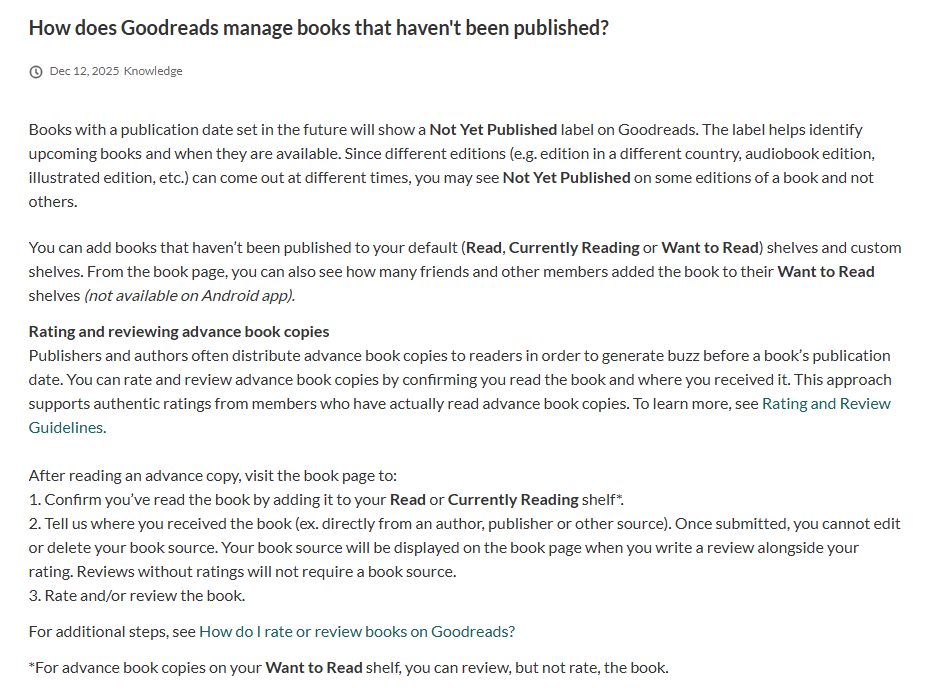
As of this month, Goodreads is taking action to address this issue. They’ve introduced new guidelines and controls for pre-release ratings, requiring reviewers to identify the source of the copy they’ve read before being able to save a rating. The specifics can be found here, but I’m sharing a screenshot for convenience as well:

I decided to test this out for myself! I went to the page for a not-yet-published book on my to-read shelf, and clicked on the stars underneath the book image to add a rating. Here’s what pops up next:

After clicking the Netgalley option, this is what I see:

And that’s it! Looks like I can go ahead and submit the rating at this point. (I didn’t — I didn’t actually read the book I picked, and I’m not sure it’s even available for review yet.)

Will this help fix the problem?

Well, maybe a little bit. It still relies on users’ honesty and integrity. There’s nothing to stop me from submitting this, and I’m not under the impression that the source choice is actually verified in any way. (That seems like it would be an impossible task, given the millions of people who review on Goodreads.)

I do think one little detail may help rein in those who want to rate without reading (#2 in the guidelines above):

Tell us where you received the book (ex. directly from an author, publisher or other source). Once submitted, you cannot edit or delete your book source. Your book source will be displayed on the book page when you write a review alongside your rating. 

Here’s a screenshot of what this looks like, appearing at the top of a posted review:

The source entry can’t be changed or removed — so it’s kind of like it’s going on your permanent record. Will that make people think twice about submitting invalid reviews? Will that lead to more policing by Goodreads or publishers, or possible reports from other Goodreads users to note if someone seems to be abusing the pre-release ratings function?

Final note: While the source is required before sharing a rating, users can still post review content without the extra step. So, for those dying to say… OMG this is my favorite author and everything they write is amazing and this book will be too — they still can! They just can’t tack 5 stars onto the gushing comments any longer… unless they want to.

Hmmm. Call me skeptical, but after writing all of this, I don’t see this new approach actually making a difference.

What do you think? Will this new approach improve the Goodreads rating accuracy? Or is this just a band-aid for a problem that can’t be solved, other than by blocking any ratings until a book actually comes out?

Goodreads Choice Awards 2025 – The results are in!

In mid-November, I shared a post with my thoughts on the opening round of the Goodreads Choice Awards. And now, the results are in — so let’s take a look, shall we?

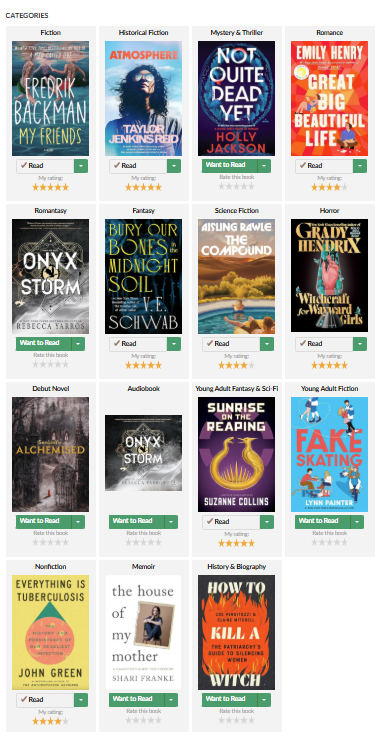
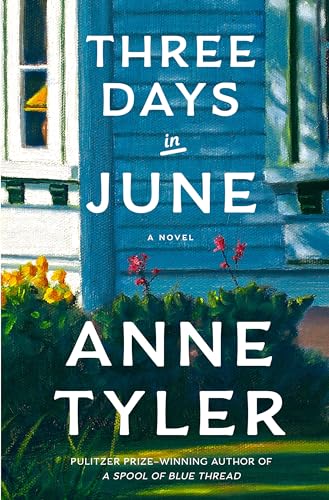
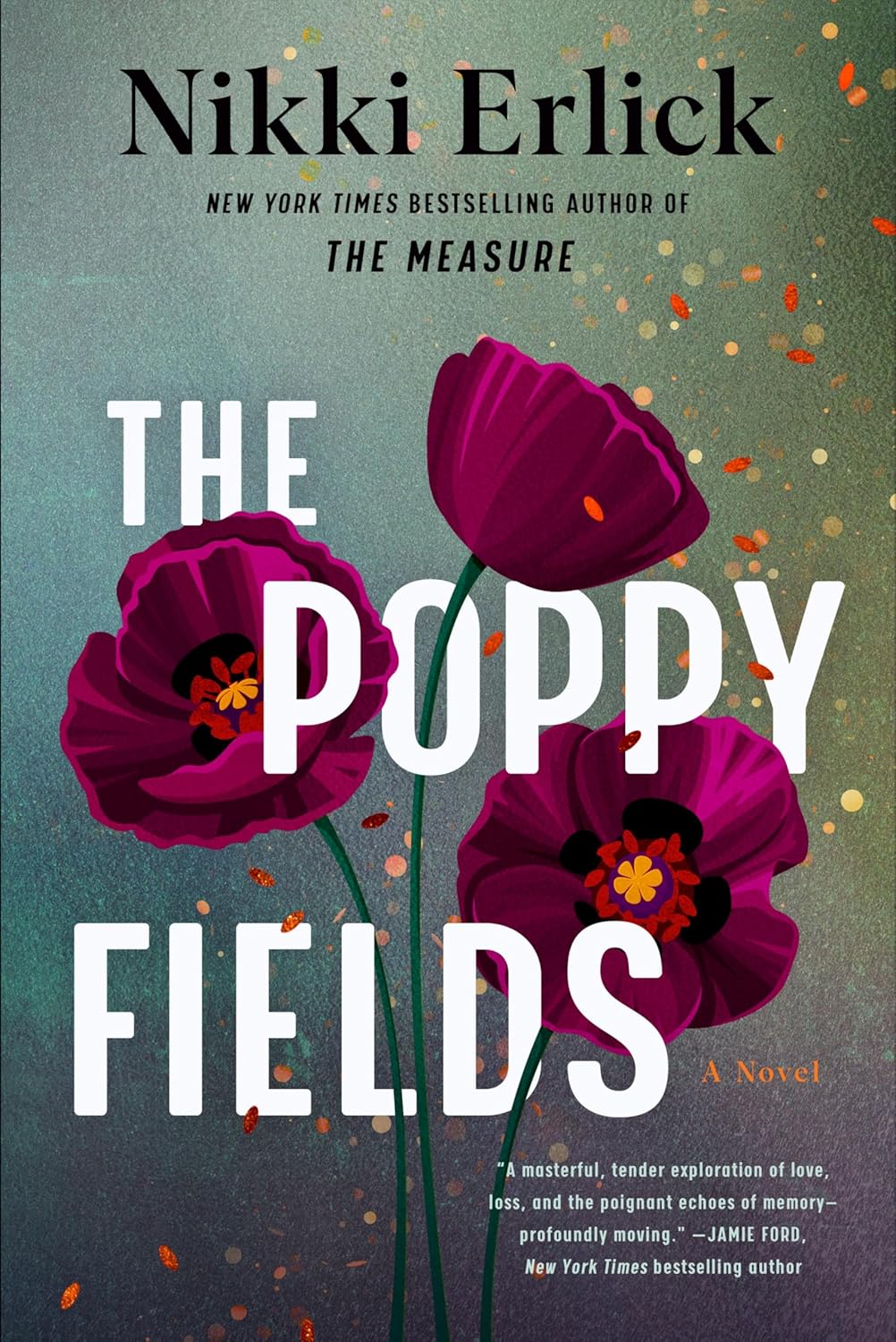
Of the 15 winning books for 2025, I’ve read 8:

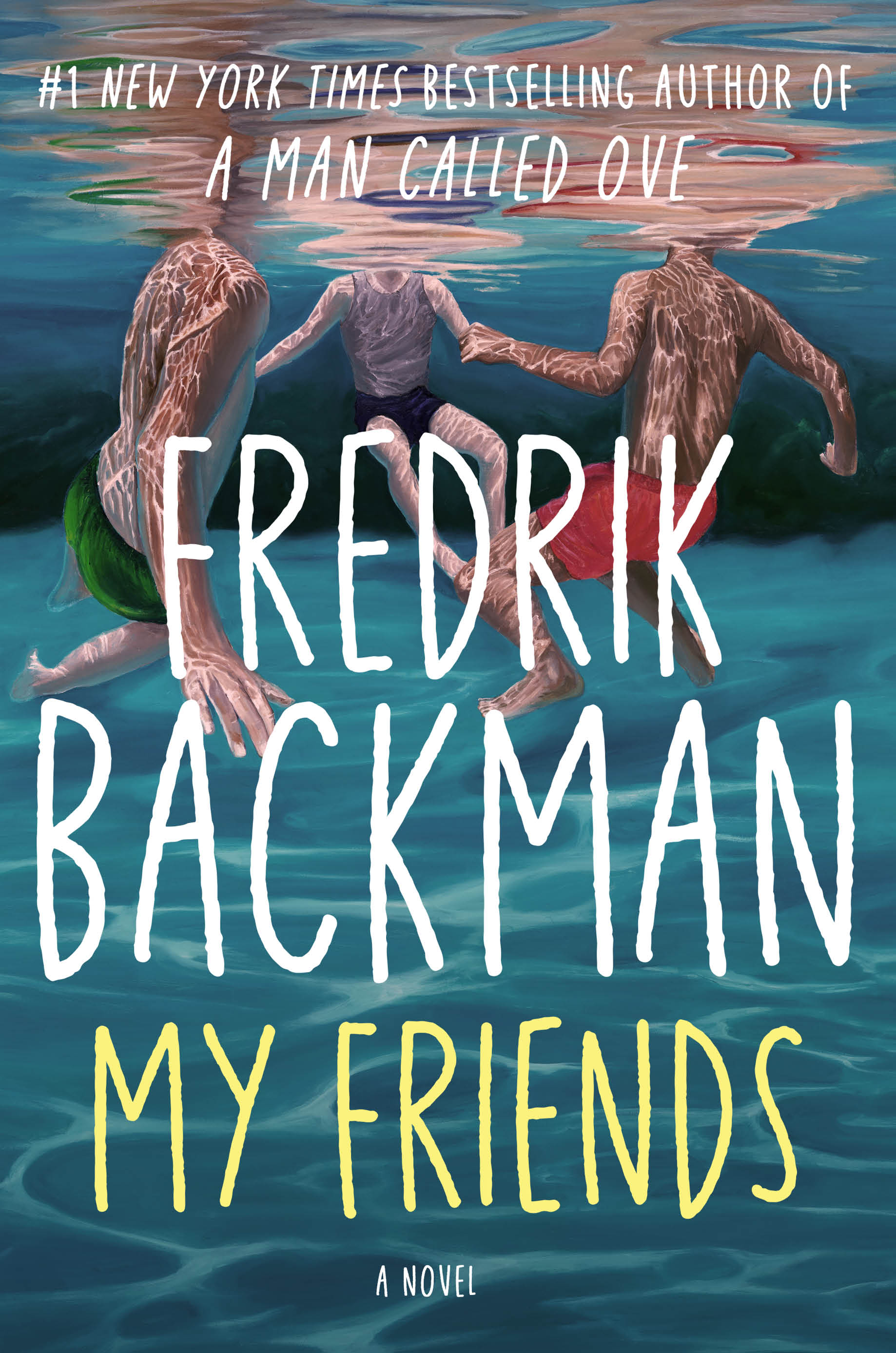
Fiction: My Friends by Fredrik Backman
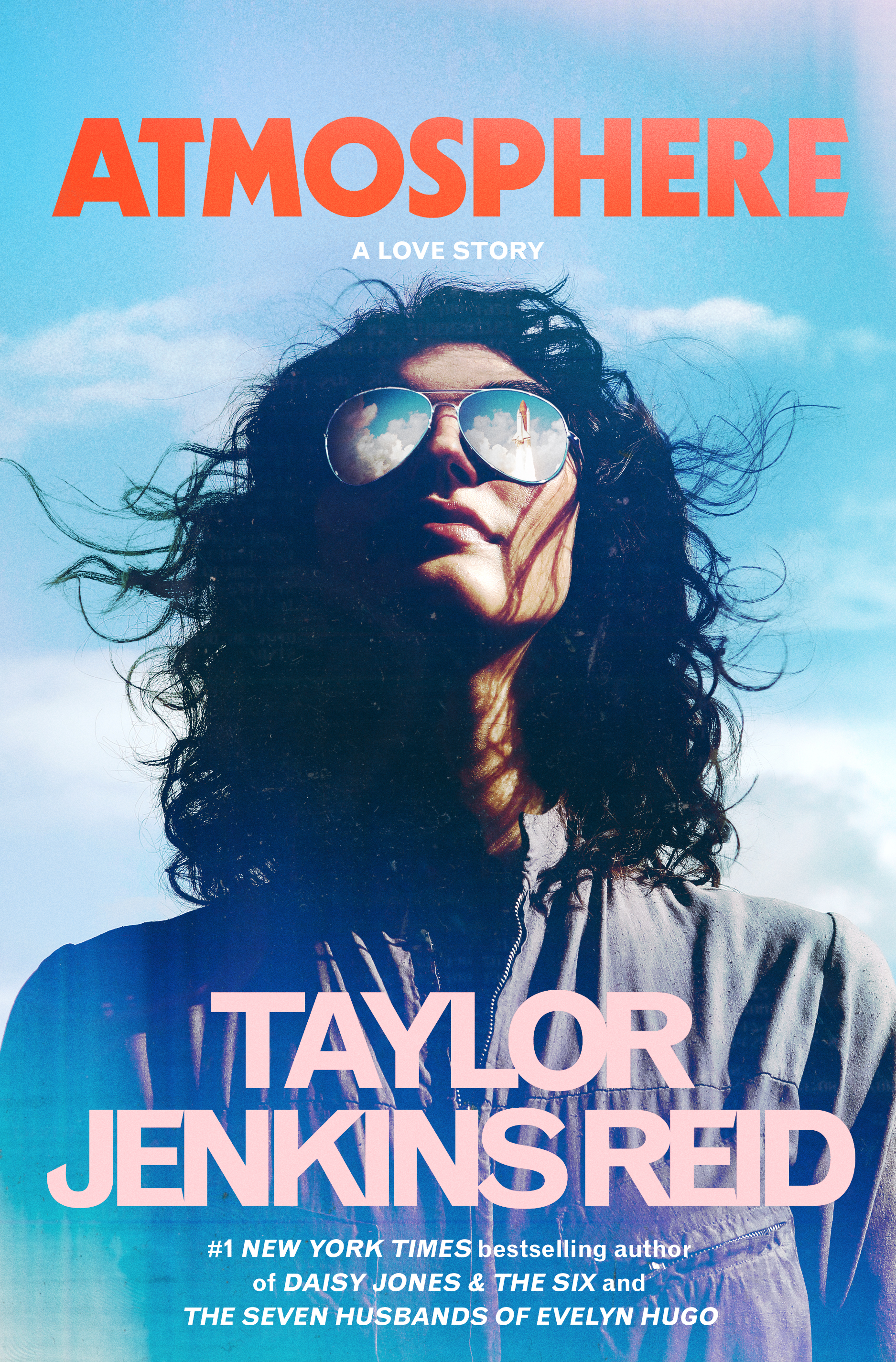
Historical Fiction: Atmosphere by Taylor Jenkins Reid
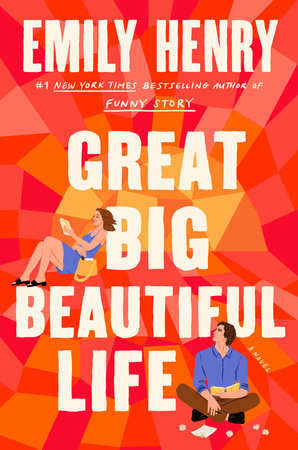
Romance: Great Big Beautiful Life by Emily Henry
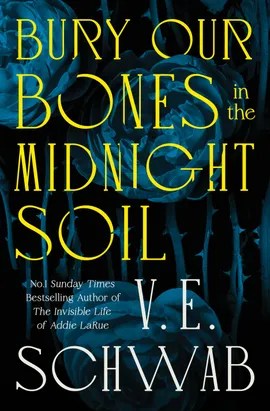
Fantasy: Bury Our Bones in the Midnight Soil by V. E. Schwab
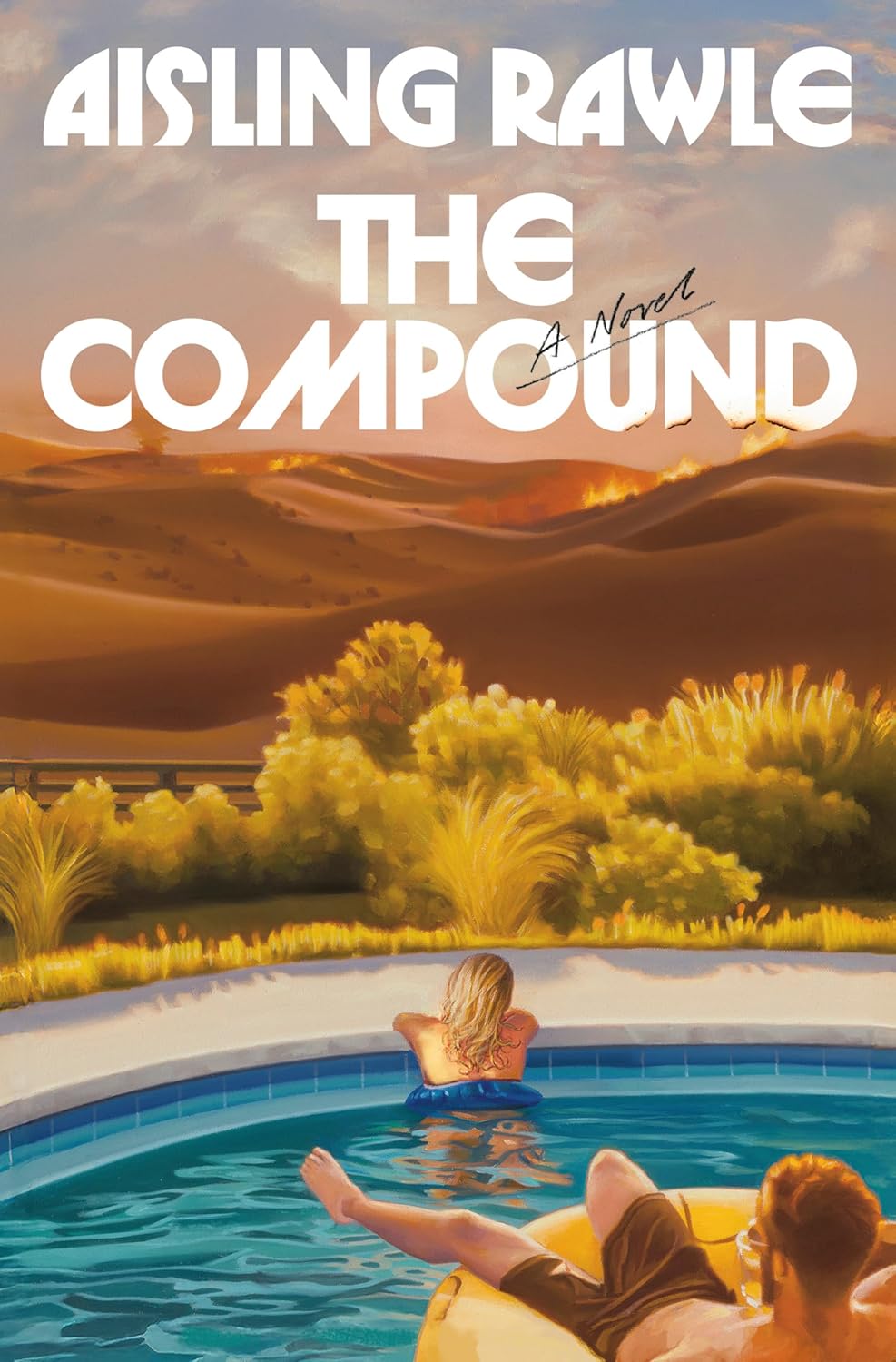
Science Fiction: The Compound by Aisling Rawle
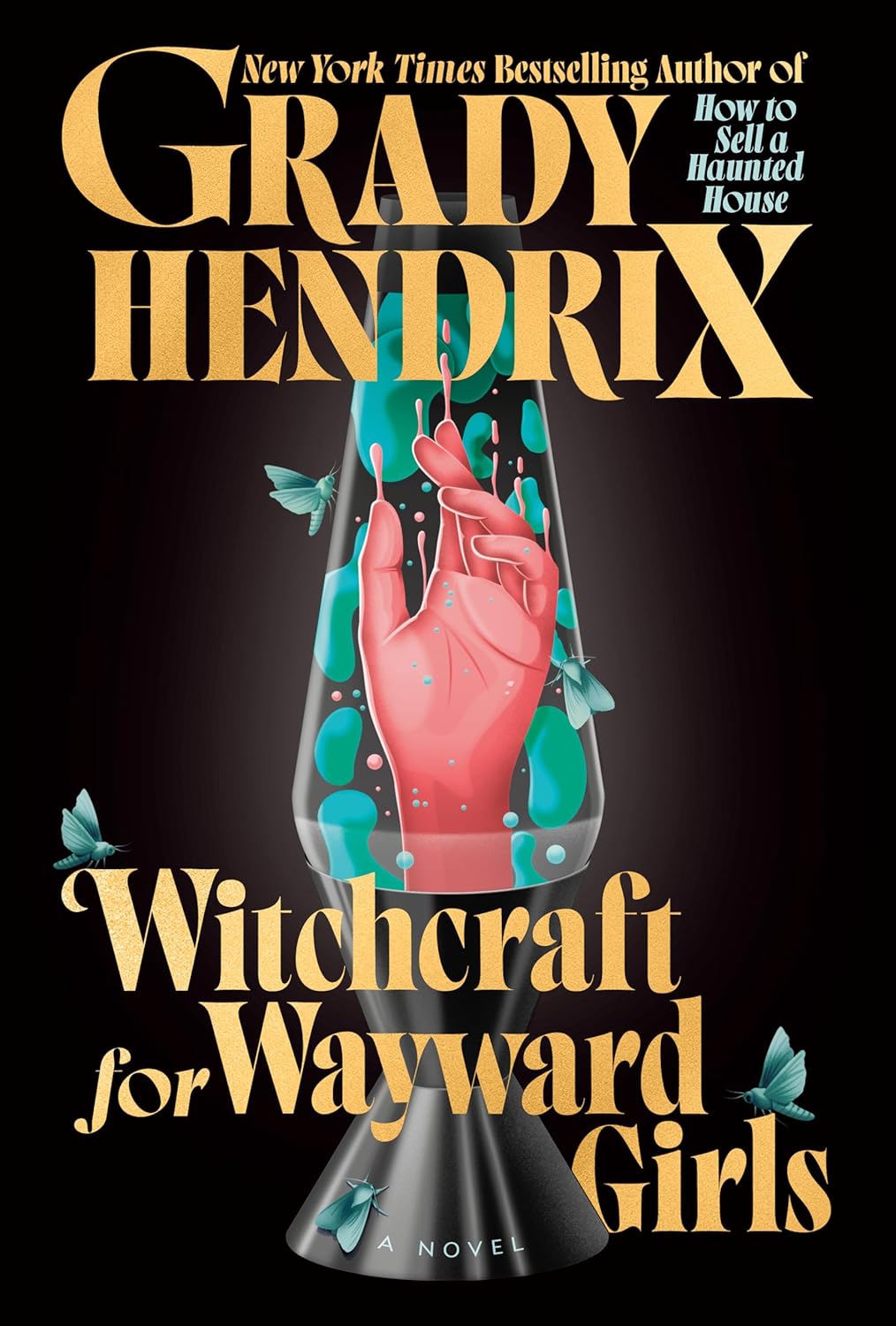
Horror: Witchcraft for Wayward Girls by Grady Hendrix
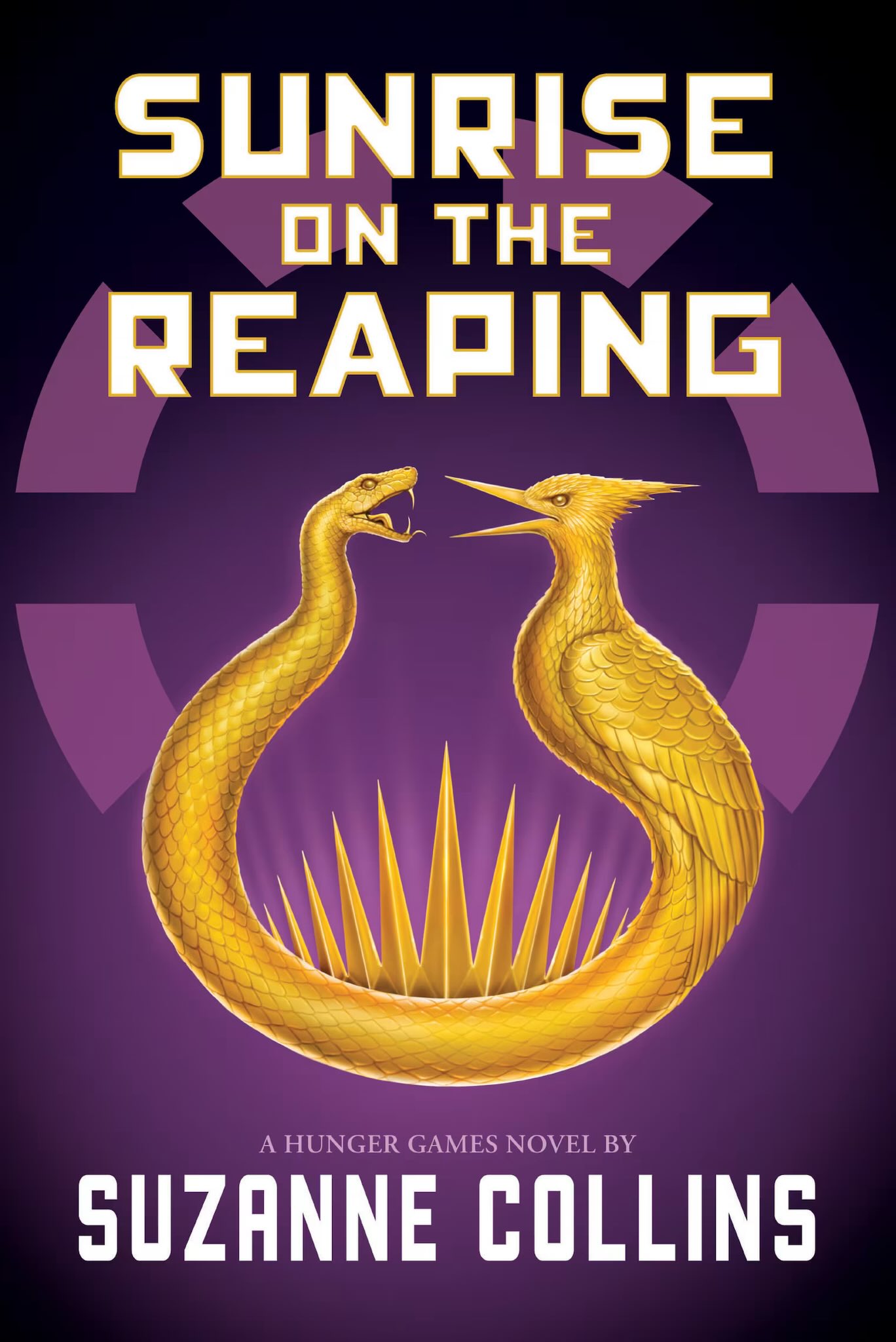
Young Adult Fantasy & Sci-fi: Sunrise on the Reaping by Suzanne Collins
Nonfiction: Everything Is Tuberculosis by John Green

Of the remaining fiction books, none were actually on my radar to read… mainly because they’re in genres I don’t gravitate toward. As for the two other nonfiction books, I’d simply never come across them before. Now that I’m seeing the History & Biography winner, How to Kill a Witch, I’m intrigued! That’s one I’ll be looking for at my library in 2026.

Even though in many categories I voted for books that didn’t end up winning, I’m a fan of the ones that did win! Although I still question whether The Compound really belongs in the sci-fi category.

Without going back to confirm, my impression is that I’ve read more of the winning books this year than I did in the last few previous years — which doesn’t particularly mean anything, other than that I appeared to have read a bunch of popular books in 2025.

And actually, several of these are likely to make my list of favorites for this past year! I’ve put a little heart next to the books I especially loved. ❤

I do still miss the old approach for these awards, which included more categories/genres, another round of voting (if I recall correctly), and the much loved and lamented option to write-in nominees.

So… how are you all feeling about this year’s batch of winners?

Goodreads Choice Awards 2025 – Opening Round: First Impressions

The opening round of this year’s Goodreads Choice Awards is here! I’ve already worked my way through the nominees and cast my votes. Some categories seem to have a lot of very strong choices this year… although I’m still a little bitter about the elimination (a few years ago now) of the write-in option!

For the 2025 awards, here are the eligibility rules according to Goodreads:

Books published in the United States in English, including works in translation and other significant rereleases, between November 13, 2024, and November 11, 2025, are eligible for the 2025 Goodreads Choice Awards. Books published between November 12, 2025, and November 10, 2026, will be eligible for the 2026 awards.

We analyze statistics from the millions of books added, rated, and reviewed on Goodreads to nominate 20 books in each category. For the Audiobook category, nominations are based on the millions of titles added, rated, and reviewed both on Goodreads and Audible.

Opening round official nominees must have an average rating of 3.50 or higher at the time of launch. A book may be nominated in no more than one genre category, but can also be nominated in the Debut Novel and/or Audiobook categories. Only one book in a series may be nominated per category. An author may receive multiple nominations within a single category if they have more than one eligible series or more than one eligible stand-alone book.

So which books are nominated, and which did I vote for?

Let’s take a look at the opening round:

Category: Fiction

Of the 20 books nominated, I’ve read two:

I spy another four books on my to-read list:

… plus a few others that I’d consider maybe-someday books.

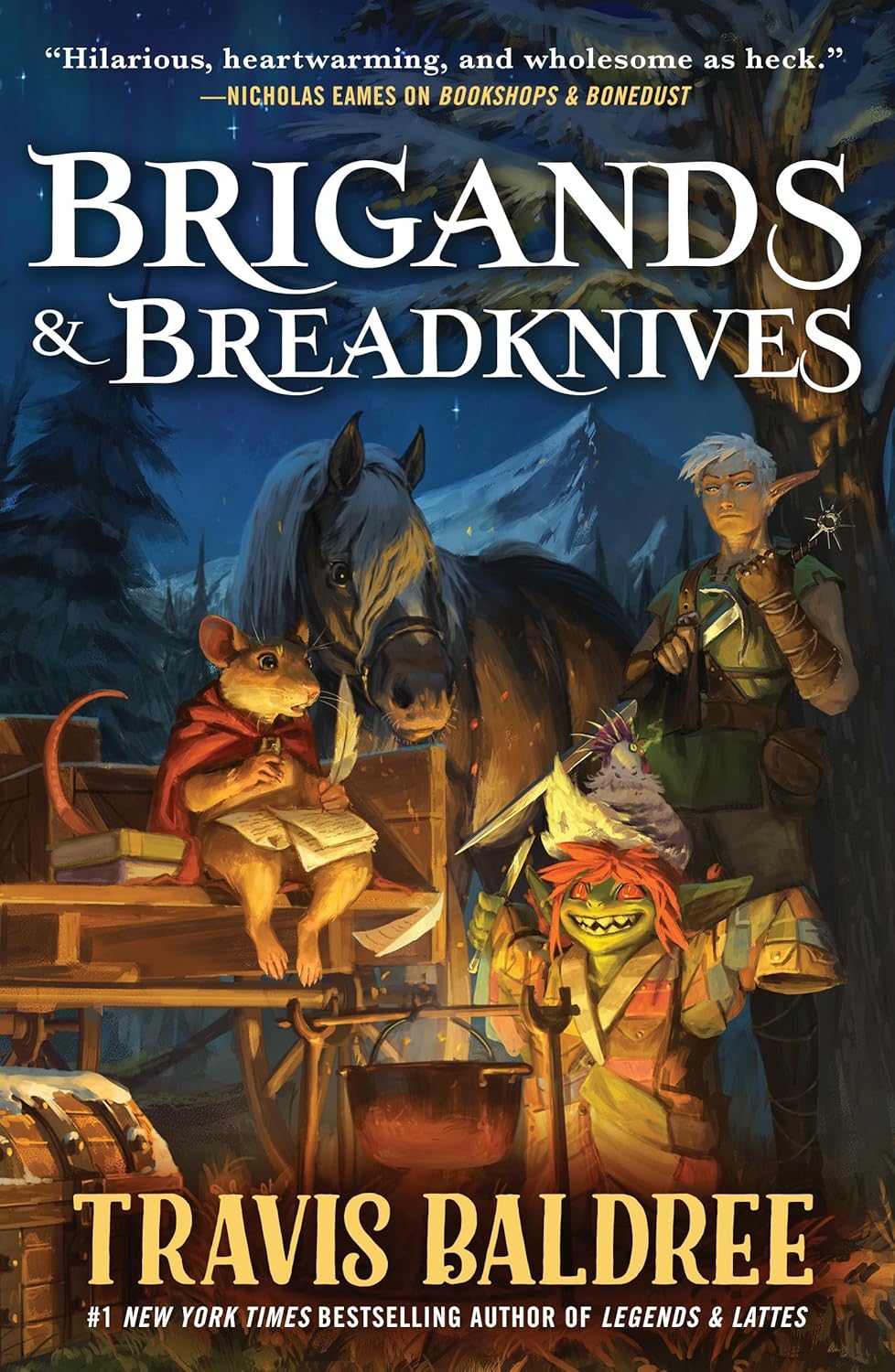
My vote: My Friends by Fredrik Backman

Category: Historical Fiction

I’ve read two:

And there are three on my TBR:

Plus, a bunch of others that I’ll likely loop back to at some point.

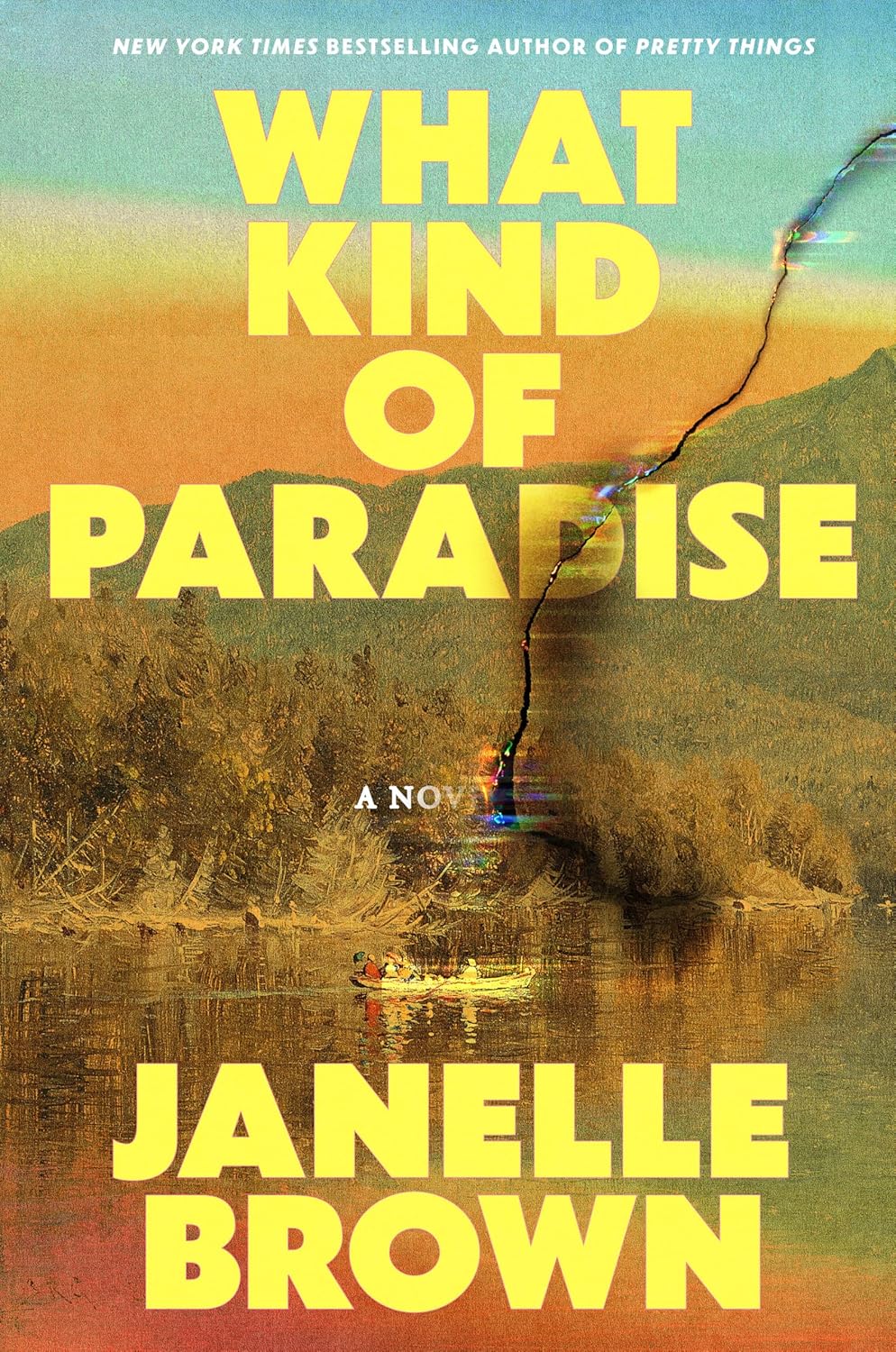
My vote: What Kind of Paradise by Janelle Brown (I loved Atmosphere, but figured Taylor Jenkins Reid will do just fine even without my vote!)

Category: Mystery & Thriller

Definitely not a go-to genre for me, so the only book I’ve read is:

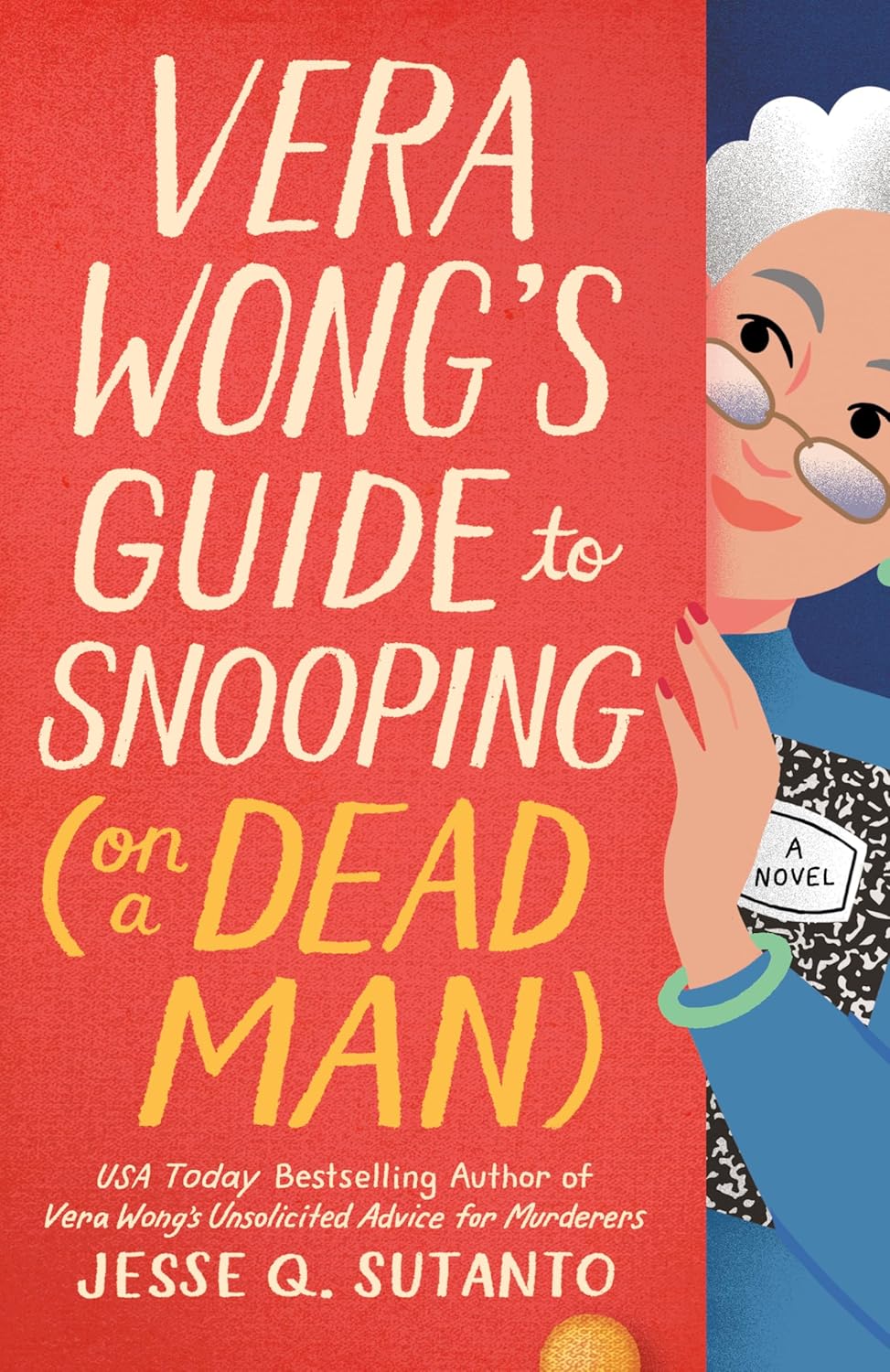
Some of the others look interesting, but I’m not rushing to read any of them at this point. So obviously, Vera Wong gets my vote!

Category: Romance

Here, I’ve read a few more of the nominees:

Among the rest, I don’t have any added to my TBR just yet, but I see a few that look like they might appeal to me down the road.

My vote: One Golden Summer by Carley Fortune

Category: Romantasy

Again, not really my genre! But two titles I’d classify more as cozy fantasy than romantasy are listed, and I really enjoyed both:

I don’t see any others here that I’m planning to read.

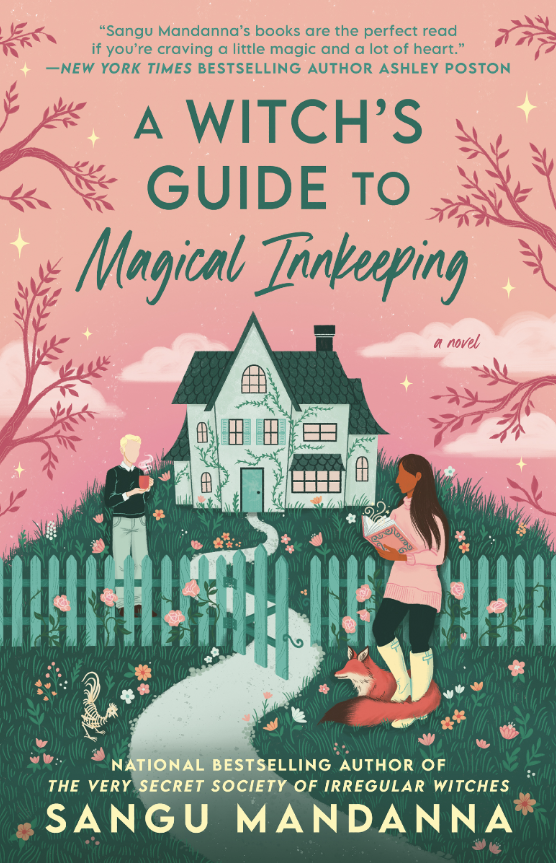
My vote: I really could go either way, but I voted for A Witch’s Guide to Magical Innkeeping by Sangu Mandanna, which was wonderful.

Category: Fantasy

I’ve read four, and loved them all!

Two more are on my TBR… although I don’t see myself picking up the 800-page book anytime soon.

And honestly, of the rest, there are probably another 4 or 5 I’d be happy to check out as well.

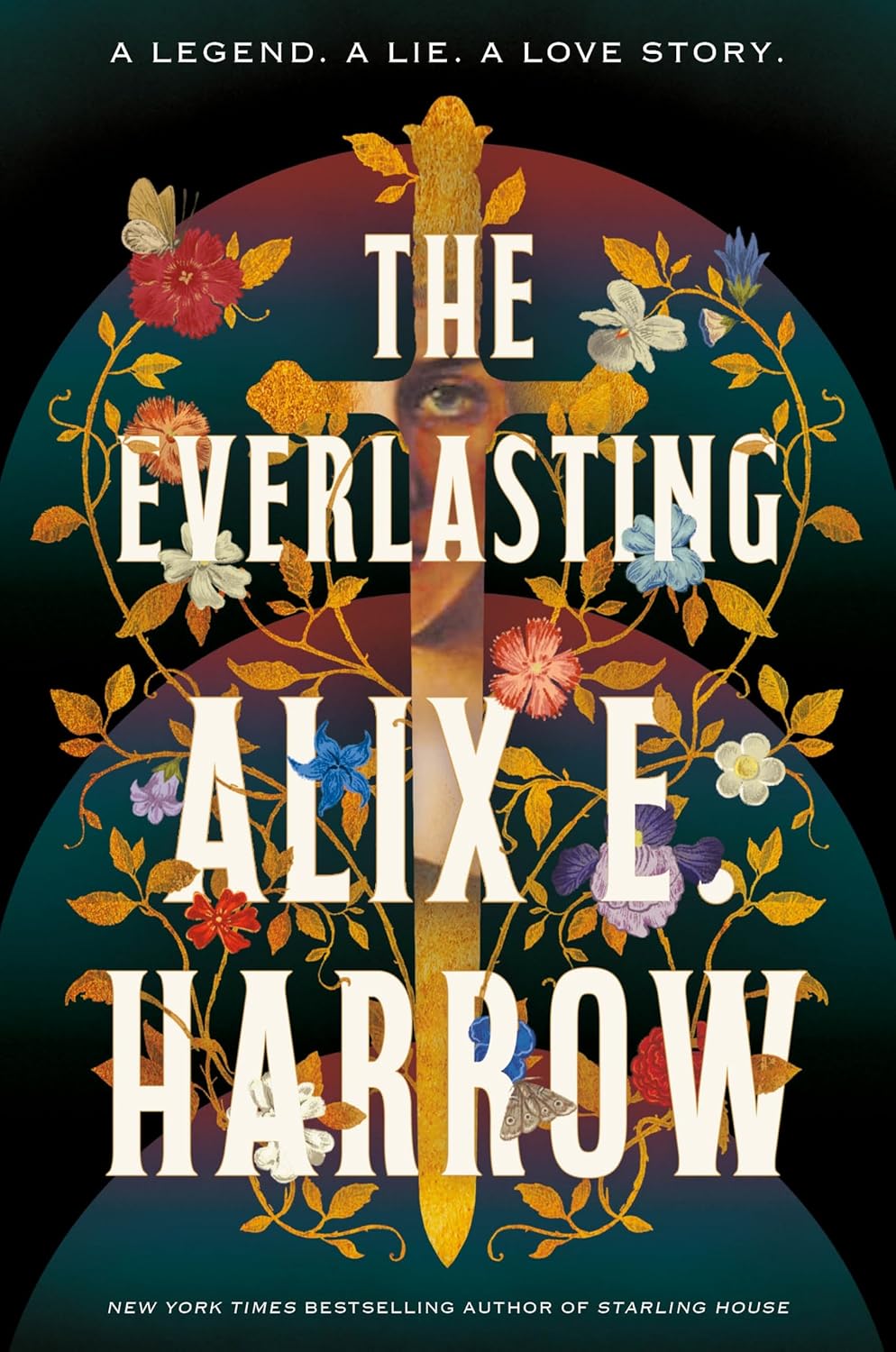
My vote: Such a tough one! I voted for The Everlasting… but it was painful to have to choose just one!

Category: Science Fiction

I’ve read three (although it would not have occurred to me to list The Compound as a science fiction book):

On my TBR: None at the moment — but so many look good! I have a feeling at least a few more will end up added to my to-read list.

My vote: When the Moon Hits Your Eye by John Scalzi

Category: Horror

I’ve read three:

On my TBR: As with the previous two categories, quite a few of the other books look good to me, but I haven’t actually added any to my reading lists yet.

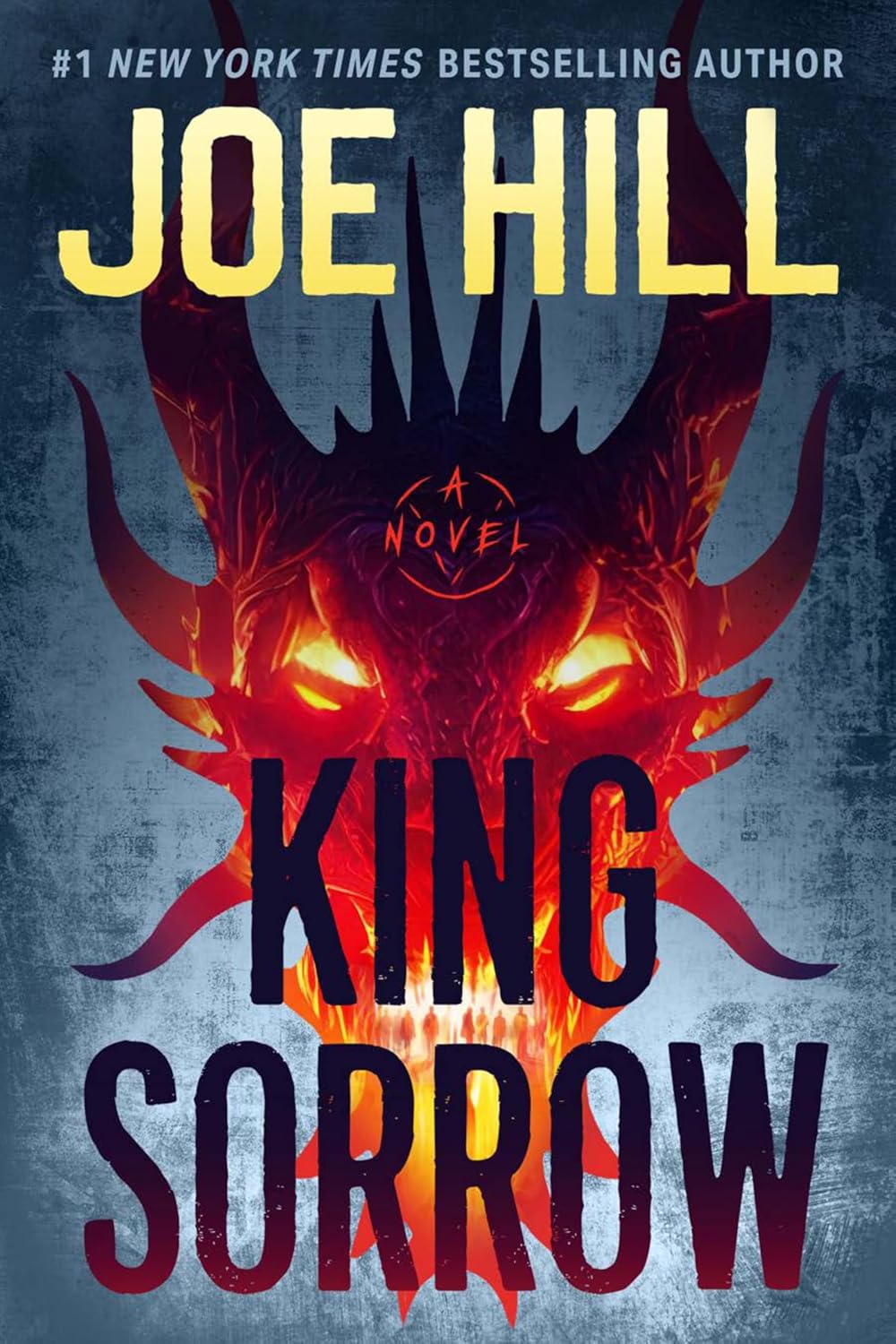
My vote: Witchcraft for Wayward Girls by Grady Hendrix

Category: Audiobook

I loved listening to both of these:

And want to listen to:

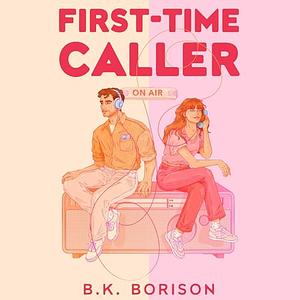
My vote: Great Big Beautiful Life by Emily Henry, narrated by Julie Whelan

Category: Young Adult Fantasy

I’ve read one, and am in the middle of another:

I don’t have any of the other nominated books on my TBR at the moment.

My vote: Sunrise on the Reaping by Suzanne Collins

Skipped categories:

I don’t vote in categories where I haven’t actually read any of the books, so this year I skipped:

  • Debut Novel
  • Young Adult Fiction
  • Nonfiction
  • Memoir
  • History & Biography

Most of these categories have at least a book or two that I’d like to check out… we’ll see how that works out!

Wrapping it all up:

Did you vote in the opening round yet? Do you see any of your favorite books among the nominees?

I’d love to hear your recommendations for nominated books on my TBR lists or others I haven’t considered!

Overall, how do you feel about this year’s options? Any categories you wish they’d bring back? Any books you loved that really should have been nominated? Please share your thoughts!
Goodreads Choice Awards: Should we even care at this point?
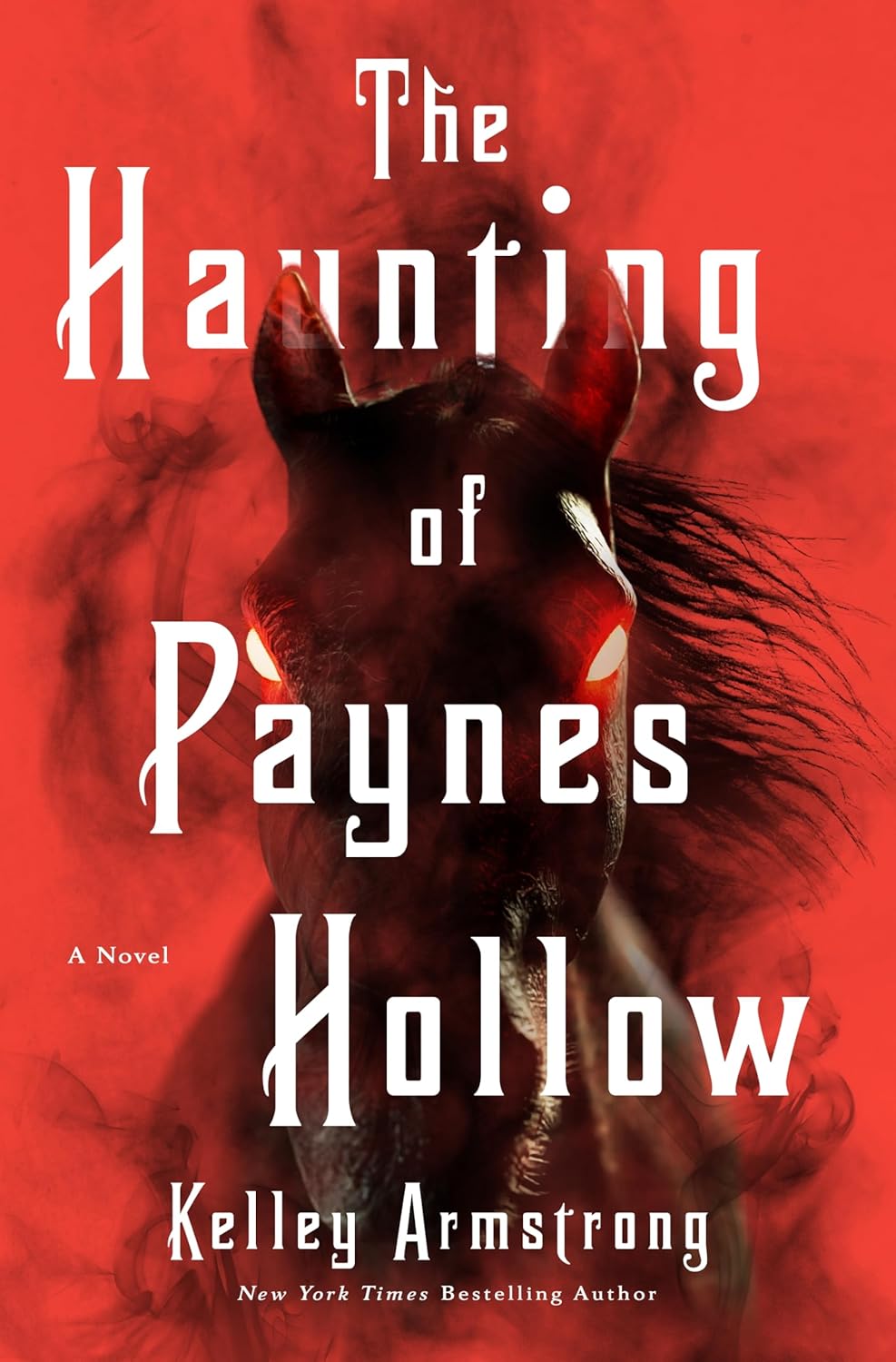
Goodreads has already announced the winners of the 2024 Goodreads Choice Awards… and as far as I’m concerned, the announcement has landed with a big thud.

Honestly, I’m not even sure what the point is anymore.

Over the years, the number of categories has decreased. The write-in option for round one is gone. And now, there are only two rounds. It kind of feels like Goodreads is continuing the awards because they have to, but they don’t actually care at all about making it make sense for readers.

How do they determine what books get nominated for round one? No idea! And I can’t find the answer, other than that dates of publication are specified for eligibility.

I’m not necessarily mad at the winners — but given how limited the choices were to begin with, I’m not sure how meaningful any of this is.

For what it’s worth, here are the Goodreads Choice Award winners for 2024:

And in text format:

House of Flame and Shadow – Sarah J. MaasRomantasy
The God of the Woods – Liz MooreMystery & Thriller
Ruthless Vows – Rebecca RossYoung Adult Fantasy & Science Fiction
The Women – Kristin HannahHistorical Fiction
Heartstopper #5: A Graphic Novel – Alice OsemanYoung Adult Fiction
Funny Story – Emily HenryRomance
Somewhere Beyond the Sea – TJ KluneFantasy
The Third Gilmore Girl: A Memoir – Kelly BishopMemoir & Autobiography
The Bookshop – Evan FrissHistory & Biography
The Wedding People: A Novel – Alison EspachFiction
How to End a Love Story: A Novel – Yulin KuangBest Debut Novel
The Anxious Generation – Jonathan HaidtNonfiction
The Ministry of Time: A Novel – Kaliane BradleyScience Fiction
You Like It Darker – Stephen KingHorror
Funny Story – Emily Henry, Julia WhelanAudiobook

Of the award winners, I’ve read five — and thought they were all terrific!

  • The Wedding People by Alison Espach (review)
  • Heartstopper, #5 by Alice Oseman
  • Funny Story by Emily Henry (listed twice — once for romance, once for audiobook) (review)
  • Somewhere Beyond the Sea by TJ Klune (review)
  • The Women by Kristin Hannah (review)

And I intend to read:

  • You Like It Darker by Stephen King
  • The Ministry of Time by Kaliane Bradley
  • The God of the Woods by Liz Moore

I’ve marked as maybe/eventually:

  • The Bookshop: A History of the American Bookstore by Evan Friss
  • How to End a Love Story by Yulin Kuang

So as you can see, I actually think there are great books among the winners! I think it’s the process that bothers me, and the lack of explanation or opportunities for reader input. But I guess that’s what happens when what’s originally an independently-owned site gets acquired by Amazon — faceless corporations don’t need to care much, so long as they’re selling books.

Sigh.

Am I being too cynical? What do you think of the Goodreads Choice Awards — in general, and in terms of this year’s process and results?

Opinion: I’m tired of creepy people on Goodreads

Stop. Just, please stop.

This is getting out of hand.

Okay, deep breaths.

When I first joined Goodreads, my friends list consisted of people who were really and truly my friends, or friends of friends — for the most part, people I knew in real life in some way, or who had an actual connection to me.

Over the years, especially since I started blogging, my friends list has expanded, and that’s usually quite fun. I love seeing what everyone else is reading (yes, I’m that person on the airplane who looks at everyone else’s book as she walks down the aisle), and I love getting feedback and ideas and inspiration from the people I meet.

BUT… has anyone else noticed lately the proliferation of creepy people who seem to think Goodreads is a hook-up site?

My policy over the last couple of years has been to accept all Goodreads friend requests, because why not? The more, the merrier! We’re all book lovers, after all, so why not be friends?

Except now I find that at least every couple of weeks, I’ll accept a friend request only to get a follow up message that creeps me out. Like the one that arrived today:

You are truly a beautiful woman. Honestly I will like to be your good friend. 

Um. Thanks? But no.

Here’s one from a couple of weeks ago:

Are you on hangout so we can have a good time and good privacy for ourselves

Ick.

There are also bunches of more innocuous messages, that all seem to be variations on Joey Tribbiani:

Not casting aspersions based on gender or anything… but 100% of the creepy Goodreads messages, as well as the “how you doing” messages, are from men. Make of that what you will.

I’m just ignoring for now. If I pretend not to see them, maybe they’ll go away? If anyone really crosses a line (or if I end up seeing something I deem offensive on their profile), I’ll delete them… but otherwise, I’ve mostly just been shrugging and moving on.

It does feel like these kind of messages are showing up more frequently lately. Maybe everyone is just at home with more time on their hands these days? For whatever reason, it’s often enough that I’m starting to get annoyed.

So….

Anyone else experiencing the same thing? And if so, how do you handle it?

Top Ten Tuesday: Ten great books with under 1,000 ratings on Goodreads

TTT summer

Top Ten Tuesday is a meme hosted by The Broke and the Bookish, featuring a different top 10 theme each week. This week’s topic is  Top Ten Books We Enjoyed That Have Under 2000 Ratings On Goodreads.

This is such a fun topic! Being a numbers geek, I had way too much fun sorting my Goodreads shelves by my stars and then by the number of ratings, looking for books I gave either 4 or 5 stars that deserve way more attention than they’ve gotten so far. And then I decided to make it a bit more of a challenge, and picked only books with under 1,000 ratings.

Here are 10 books I really enjoyed, all with not nearly enough ratings:

1) Gathering Storm by Maggie Craig (review): This historical novel about Jacobites in Edinburgh is perfect for Outlander fans! (30 ratings)

Gathering Storm 2

2) Harrowgate by Kate Maruyama (review): Good, creepy, spooky horror. (530 ratings)

harrowgate

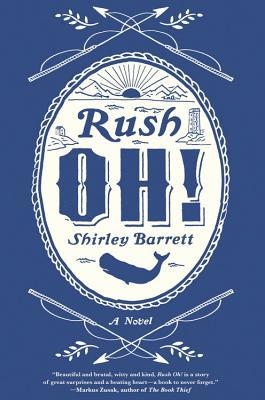
3) Rush Oh! by Shirley Barrett (review): I’ve been raving a lot about this one! A relatively new release about an Australian whaling village, it’s much more entertaining than you might guess just by reading the description. (I loved it.) (564 ratings)

Rush Oh

4) All the Winters After by Seré Prince Halverson (review): A beautiful novel that totally fed my Alaska obsession. (597 ratings)

All the Winters After

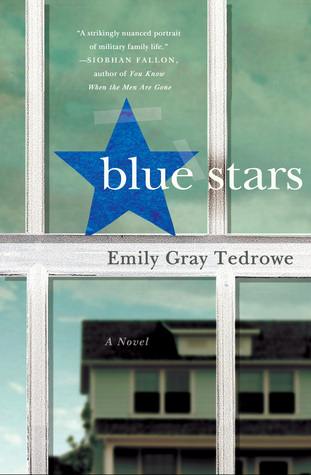
5) Blue Stars by Emily Gray Tedrowe (review): A moving look at military veterans and their families. (315 ratings)

blue stars

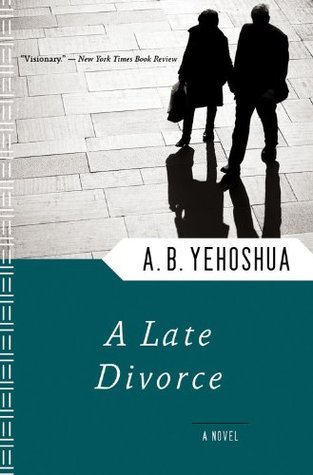
6) A Late Divorce by A. B. Yehoshua: This Israeli author’s writing is so gorgeous! I read this book ages ago, but always remember how powerful the story is. (275 ratings)

Late Divorce

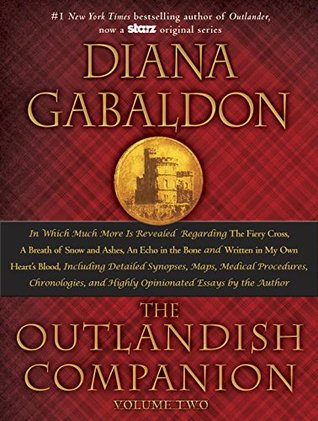
7) The Outlandish Companion, Volume II by Diana Gabaldon: See, I managed to sneak an Outlander book into my list this week! This reference volume is a must for fans of the series. I wrote a detailed post about what’s inside, here.  (530 ratings)

OCII

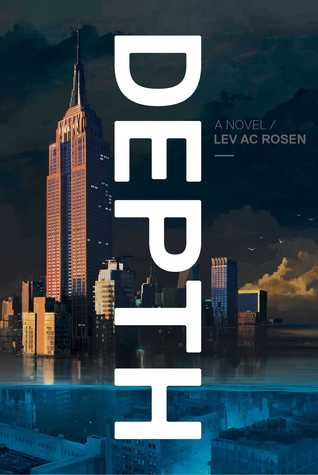
8) Depth by Lev AC Rosen (review): Just an amazing sci fi noir detective story set in a flooded New York after the oceans of the world have risen. The descriptions of the city alone would make this book worthwhile, but add to that a terrific mystery, and it’s a must. (335 ratings)

Depth

9) The Expeditioners and the Treasure of Drowned Man’s Canyon by S. S. Taylor (review): This is a smart, fun middle grade read that’s perfect for kids (and their adults) who enjoy brainy, daring adventure. I can’t believe more people haven’t read it! (789 ratings)

Expeditioners 1

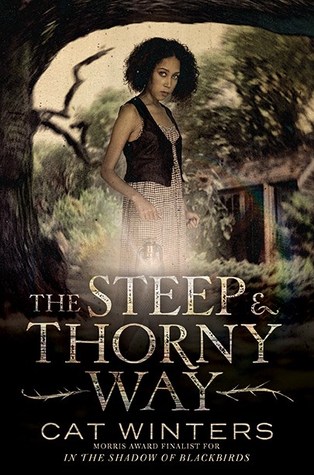
10) The Steep & Thorny Way by Cat Winters (review): Cat Winters has quickly become one of my favorite authors. This retelling of Hamlet is powerful and surprising, and deserves to be widely read! (517 ratings)

Steep & Thorny Way

What books made your list this week? Please share your TTT links!

If you enjoyed this post, please consider following Bookshelf Fantasies! And don’t forget to check out our regular weekly features, Shelf Control and Thursday Quotables. Happy reading!

♥♥♥♥♥♥♥♥

Do you host a book blog meme? Do you participate in a meme that you really, really love? I’m building a Book Blog Meme Directory, and need your help! If you know of a great meme to include — or if you host one yourself — please drop me a note on my Contact page and I’ll be sure to add your info!

Save

Save

Save

Save

Save

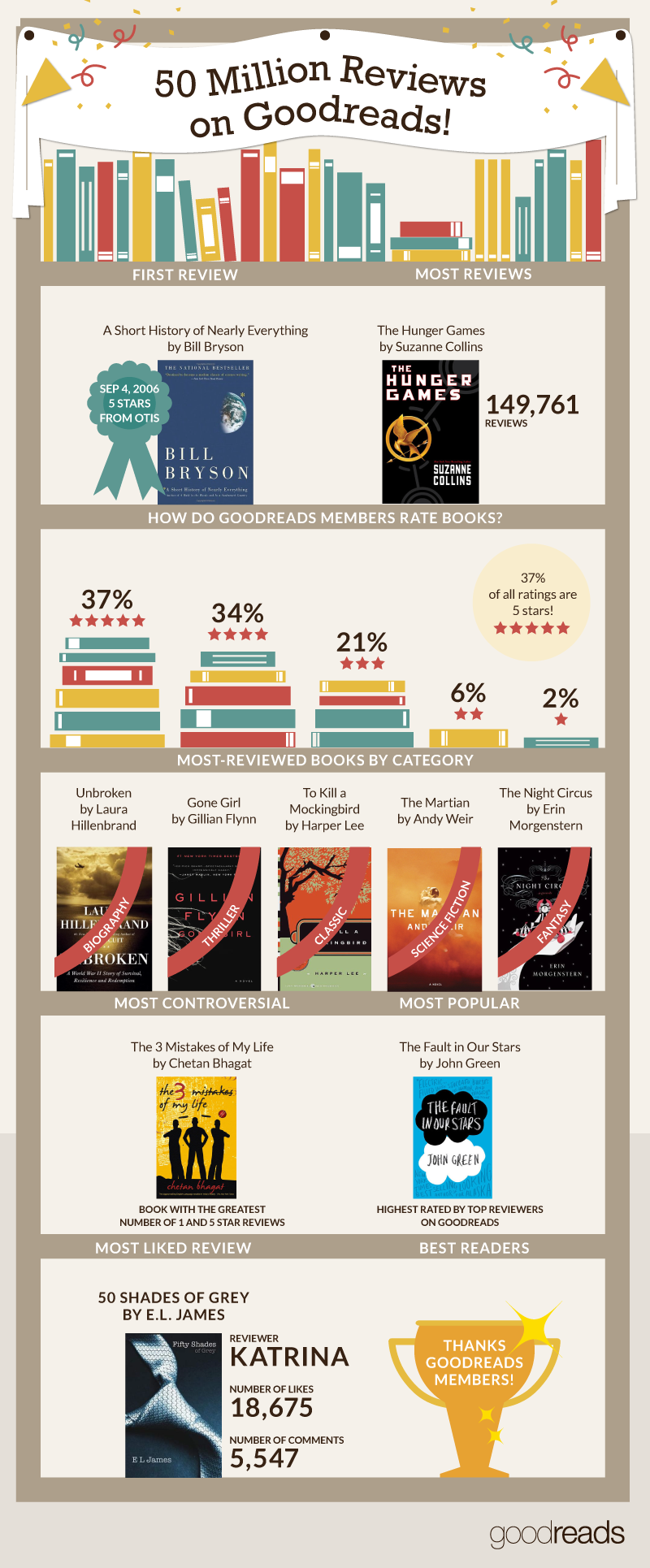
Congratulations to Goodreads!

50 million reviews!

I love having Goodreads in my life. How about you?

GR_graphic

Check out the Goodreads blog post about this milestone here.

Goodreads Is Damaging My Calm Today

I’m not anti-Goodreads. In fact, I usually love the site. I’ve managed to sidestep all the upset about the policy changes in recent months, especially the uproar over deleted shelves and reviews. I participate in Goodreads because I love tracking my own reading, keeping up with friends’ reading lists and reviews, and staying on top of new releases that I might otherwise miss. No drama for me, please! I have enough in my real life, thanks.

So what’s bothering me today?

It may seem like a minor point, but my issue today is with… (drumroll, please!) … SORT ORDER.

Huh? You may well ask…

On any book’s page, we get a synopsis and some details. Scrolling down, we see My Review, Friend Reviews, Lists with This Book, and then Community Reviews. And it’s in the Community Reviews section that I start getting annoyed. I supppose that it’s my own damn fault that until today, I never noticed that there’s a sort option for how Community Reviews are displayed. The choices are newest, oldest, and default. So what’s “default”? Goodreads describes its default sort option thusly:

The default sorting algorithm on Goodreads uses a variety of factors to determine the most interesting reviews. The recipe for our special sauce is a closely guarded trade secret, but the ingredients are: length of the review, number of people who liked it, recency of the review, popularity of the reviewer (i.e., number of people who have liked reviews by that person across all books).

So what’s my problem with this? The problem, for me, is that the review(s) that get the most prominence in the default sort order tend to be by reviewers who write the type of reviews that I personally try to avoid like the plague.**

**Hey, let’s be clear: To each his/her own! It takes all types, and I respect everyone’s right to write whatever they want, however they want! But I have preferences, and I know what I don’t like to read, and that’s all I’m saying here.

Again, just personal preference, but I can’t stand ranty reviews, the “look at me, I’m so clever” reviews — and I know some people love ’em, but I just don’t like looking at reviews with graphics/GIFs.

But beyond all that, I see no value in tearing down a book, and by extension, its author, for the sake of showmanship or attention-grabbing. But for whatever reason, it’s exactly these type of reviews on Goodreads that seem to get tons of “likes” — and therefore, those are the reviews that show up at the top of the sort order.

For a lot of books that are well-received overall or have a huge number of reviews, perhaps that doesn’t matter so much. But for a book by a new author that hasn’t “traveled” much yet, having a harshly negative (but highly “liked”) review pop up first in the default sort can only be damaging to its success. Let’s be honest: How far down do you scroll once you get to Community Reviews? Probably not that far, right? So if the first couple of reviews that show up are intensely negative, how likely are you to keep reading?

Don’t throw things at me when I state that I like Amazon’s lay-out better, where we see a graph of the reviews (how many per star category) prominently displayed above the individual reviews. Did you know you can read Goodreads reviews that way too? I didn’t, before today. Because it’s not obvious, and I just never thought to look. But yes, underneath the Community Reviews header, there’s an option for Rating Details, which displays all reviews sorted by stars.

Lo and behold! The picture really changes if you look at a review via Rating Details. In the case of the book that first set me off today, here’s what happened:

Under Community Reviews, by default sort, the first review is a one-star rant that, among other things, compares reading the book to “eating a rectum”. (There’s a lot more to the metaphor, but I’ll spare you.) Unbelievably, this review received 55 likes and 43 comments (many by the reviewer herself). Again, just to be clear, I respect the reviewer’s right to review the book as she sees fit. But is it fair to potential readers to have this review appear on top by default, unless they specifically change their sort order?

Looking at the very same book, if I click on the Rating Details menu choice, suddenly the book appears in a whole new light! 59% of reviewers gave the book either a 4 or 5 star rating, and only 4% of the reviews were 1 star. Wow, a lot of people liked this book! But you wouldn’t know that based on the default sort.

And when I open the page for other books I’ve read recently, the pattern seems to hold. For whatever reason, the ranty, negative reviews seem to get a lot of likes, which by the Goodreads “special sauce” formula means they rise to the top of the sort.

I don’t know why this particularly set me off today. Well, yeah, I do. I just felt bad, that’s all. I felt bad for the author who poured her heart into a first novel, and whose book’s page consistently shows this awful rant at the top of the Community Review section. How disheartening!

Like I said, I respect every reader’s right to give out one-star ratings as well as five-star ratings. And if you enjoy reading ranty reviews, by all means, have fun! But this super secret algorithm of Goodread’s seems a bit unfair in the long-run, as the picture that ends up being painted isn’t necessarily backed up by the totality of reviews given.

So, what do I want? I guess I’d like Goodreads to change their page lay-out, actually, although I suppose that’s wishing for the stars. Still, I think there must be a way to display data initially that doesn’t skew one way or the other, and that lets readers decide what type of reviews they want to focus on. I’m all for the fair and open exchange of ideas, but sometimes it’s the presentation that ends up mattering the most.

And when it comes down to deciding whether to give a new book a try, particularly when it’s by an author we’ve never read before, are we going to try the book that seems to have received very good reviews from most of its readers? Or are we going to read the book compared to eating very unsavory body parts? Yeah, that’s what I thought.

This is mostly a reminder to myself to dig deeper, I suppose, and not be unduly influenced by the first review I see, no matter how many “likes” it has. But for those of you — like me — who never paid enough attention to know that you have a choice, I have just two magical, important, life-changing words for you:

Sort order.

_________________________________

A note after the fact: When I posted this earlier today, I had a momentary brain lapse resulting in not quite getting the post title to say what I’d meant it to say. In other words, I screwed up my pop culture reference! Couldn’t rest until I fixed it. Aaah. All better now.

Is there such a thing as too much reading?

According to Goodreads, I’ve read 140 books thus far in 2012 — although to look at the stacks, piles, and bags of unread books sitting around my house, you might reasonably assume that I’ve done nothing all year but twiddle my thumbs. Occasionally, I feel like this:

i-73c19bd88539520d00a6fc53d6eb2f2b-buried-under-books-no-words-alpha

Side note: If you Google “drowning in books”, you get a few images like the one above, and then lots and lots of references to books in which there is a drowning. Sometimes, I feel like Google just doesn’t get me.

So returning to my 140 books… let’s bear in mind that you might not consider all of these “real” books. I upped my goal for the year pretty drastically once I realized how many graphic novels I’ve been consuming. So far in 2012, I’ve read all of Buffy season 8, all of the Fables volumes to date plus some of the one-offs, the Jack of Fables series, some of the Locke & Key series, and a bunch of stand-alones. Roughly put, I’d say about 40 – 50 total. Now subtract from my total the kids’ books that I’ve read aloud to my son, and I’d put my “real” total somewhere around 70 or 80.

Why ask if it’s possible to read too much? Several reasons. First and foremost, I wonder if it’s possible to retain that much material, when there’s so much new data entering my reading brain on a daily basis. The answer, I think, is probably not. Sure, I could give you a description a sentence or two in length about just about anything I’ve read in the last few years. But ask me about plot details, chronology, character names, or other nuances, and I’ll probably draw a blank. This actually comes up quite a bit in my house. My husband will end up reading a book that I read six months or a year earlier and will expect me to be able to discuss details with him. When I give him a vacant stare or shrug my shoulders, he’ll usually respond with a snide (but deep down, kind of loving, I’m sure) comment about me losing my memory faster than he is. (Only funny if you’re aware of the fact that he’s 20 years older than I am. Sorry, off-topic and a bit TMI). What I keep reminding dear husband is that in the six months or year since I read the book, I’VE READ 50 MORE BOOKS! That’s hundreds of characters, plot points, funny quotes, and unusual locations to keep track of!

This probably has a lot to do with my reluctance to get involved in series or trilogies, especially if they’re currently unfinished. I loved reading the Codex Alera series by Jim Butcher, which I picked up after the sixth and final book was published and read straight through, beginning to end. Likewise, with A Song of Ice and Fire by George R. R. Martin, I read books 1 – 5 pretty much without stopping. That’s the way to do it! No lapses, no time in between books for facts and figures to be overwritten by extraneous information from bunches of other books! When I read a book, no matter how great, and then have to wait a year or more for the sequel, chances are I won’t remember it as well as I’d like, in which case I can either a) re-read the first book (as I did with A Discovery of Witches and Shadow of Night this past summer), b) wing it and figure enough will come back to me as I read the new book (which tends to be my approach with certain ongoing series like the Sookie Stackhouse books or the Dresden Files, or c) realize that the details aren’t sharp enough for me to truly care what happens next, shrug my shoulders, and decide to skip it (as was the case for me with the sequels to The Strain — that book scared the bejesus out of me, but by the time book two rolled around, I was over it and didn’t bother reading any further).

My second reason for asking if it’s possible to read too much? Well, I suppose it’s just a “stop and smell the roses” sort of thing. Am I reading so much, so fast, trying to get through so many books, old and new, that I rush instead of savoring? Am I really tasting each bite before I swallow? (Is that kind of a gross metaphor?) Perhaps I should take more time, read more carefully, wallow in the sensations, admire the deft turns of phrase. I think I enjoy the books I read. I think I get quite a lot out of my process of reading. I can’t really imagine slowing down. But I do wonder if I’m denying myself the pleasure of a slow read in favor of reading everything in sight. We shouldn’t gobble our food; is it a good idea to gobble up our books?

The final reason for my question gets back to Goodreads and all the various reading challenges that seem to have proliferated in recent years. In this age of reading as social media event, has reading become a competitive sport? Read a title for each letter of the alphabet, read an author for every letter, read every book on a Great Books list… the number and variety of challenges out there in the blogosphere are seemingly infinite. When did we start worrying so much about meeting goals? Is this a form of peer pressure? Keeping up with the Joneses? In one of my online book groups, there was a debate about whether certain types of reading “counted” toward an annual total. Counted as what? Real books? If I can hold it in my hands and turn the pages, it feels pretty real to me (and okay, yes, I acknowledge that e-books are real too; not completely dissing technology over here). But isn’t it a bit weird to stop and think about goals and totals before deciding to read a book? If I want to re-read a 1,000 page book, shouldn’t I just go ahead and do it, without worrying about scores or keeping up? Granted, this is partially just my own dormant competitive streak coming to the surface — I’ve never been the slightest bit athletic, never felt compelled to run races or set swimming records, but reading is something I’m actually good at! Can I get a gold medal in fiction reading? Please?

So here I am again, back where I started, wondering if I do, in fact, read too much for my own good. I don’t have any answers. I know that reading brings me joy and satisfies my intellect, emotions, and curiosity in ways that nothing else does. But would I enjoy more if I read less? I’m not sure that I actually want to find out.