I participated in Birthstone Books Covers for the first time in August, and now I’m hooked! Leslie at Books Are the New Black hosts this fun monthly meme — and since I love anything related to spotlighting amazing book covers, I just had to jump in.
The rules are simple:
Mention the creator (Leslie @ Books Are The New Black ) and link back so she can see your post! Pick 5+ book covers that match the current month’s Birthstone.
HAVE FUN!
October’s birthstone is opal. (Well, also tourmaline, but I’m sticking with opals!) According to the American Gem Society:
The name “opal” originates from the Greek word opallios, which meant “to see a change in color.” The Roman scholar Pliny used the word opalus when he wrote about this gemstone’s kaleidoscopic “play” of rainbow colors that could simulate shades of any stone.
Opal’s characteristic “play-of-color” was explained in the 1960s, when scientists discovered that it’s composed of microscopic silica spheres that diffract light to display various colors of the rainbow. These flashy gemstones are called “precious opals.” Those without play-of-color are “common opals.”
Dozens of opal varieties exist, but only a few, such as fire opal and boulder opal, are universally recognized. Opals are often referred to by their background “body color” of black or white.
Opal’s classic country of origin is Australia. Seasonal rains soaked the parched Outback, carrying silica deposits underground into cracks between layers of rock. When the water evaporated, these deposits formed opal. Sometimes, silica seeped into spaces around wood, seashells and skeletons, resulting in opalized fossils.
Since opal was discovered in Australia around 1850, the country has produced 95 percent of the world’s supply. Opal is also mined in Mexico, Brazil, Honduras, Ethiopia, the Czech Republic, and parts of the U.S., including Nevada and Idaho.
Learn more about the history of opals.
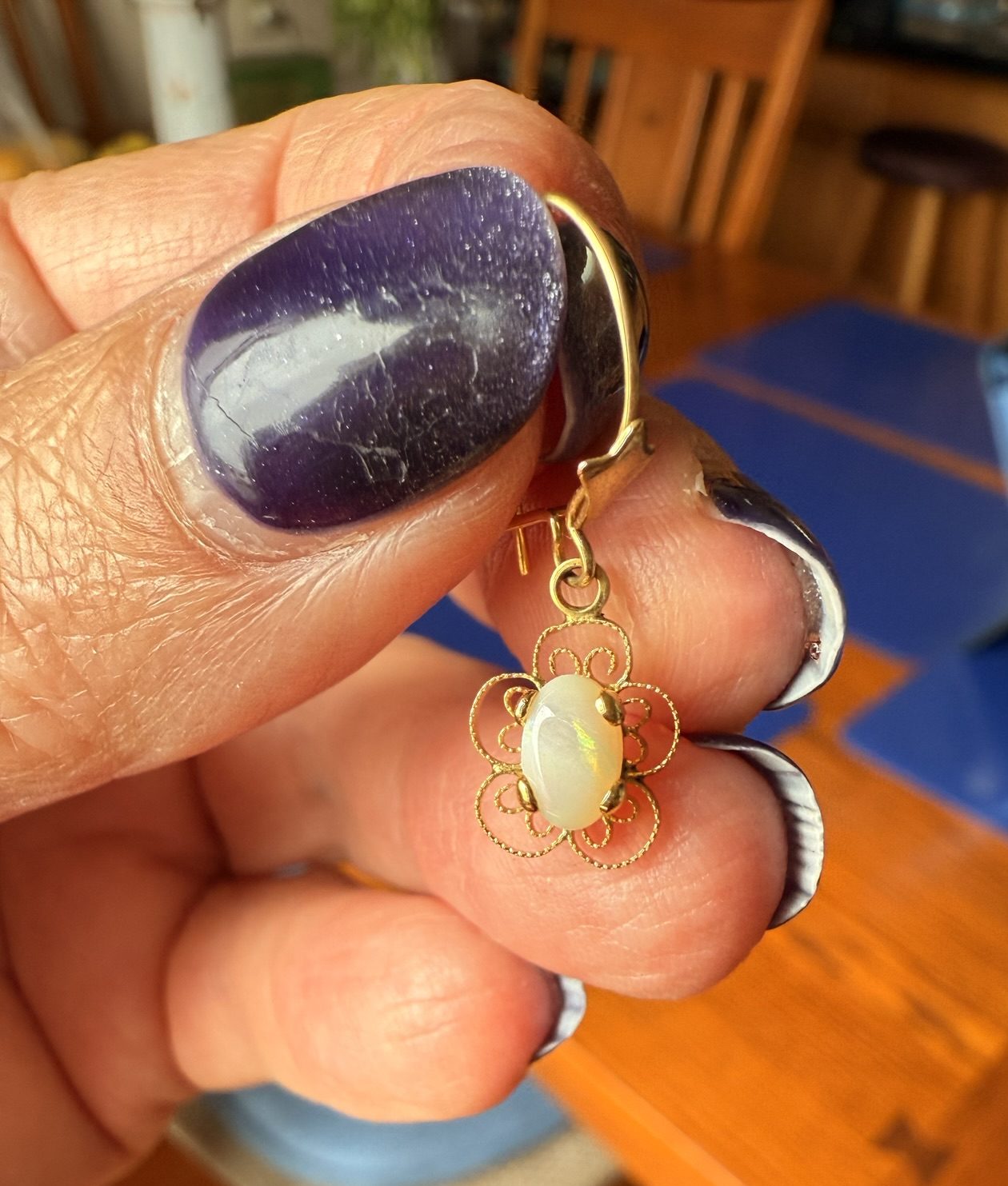
I’ve always loved opals, probably ever since my grandparents gave me a pair of opal earrings when I was a wee tween… which I still have, even though I haven’t worn them in decades.
I’ve only ever seen the white or lighter blue varieties, but apparently there are endless color combinations in these beautiful gemstones.
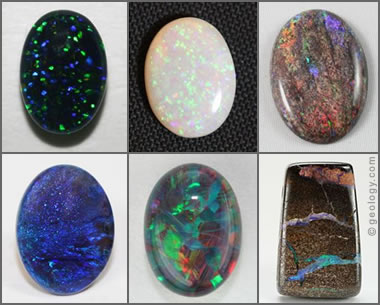
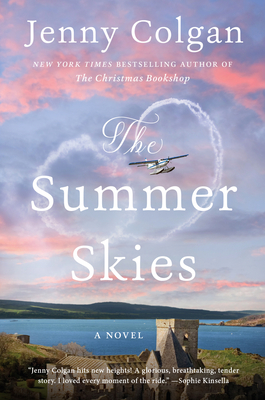
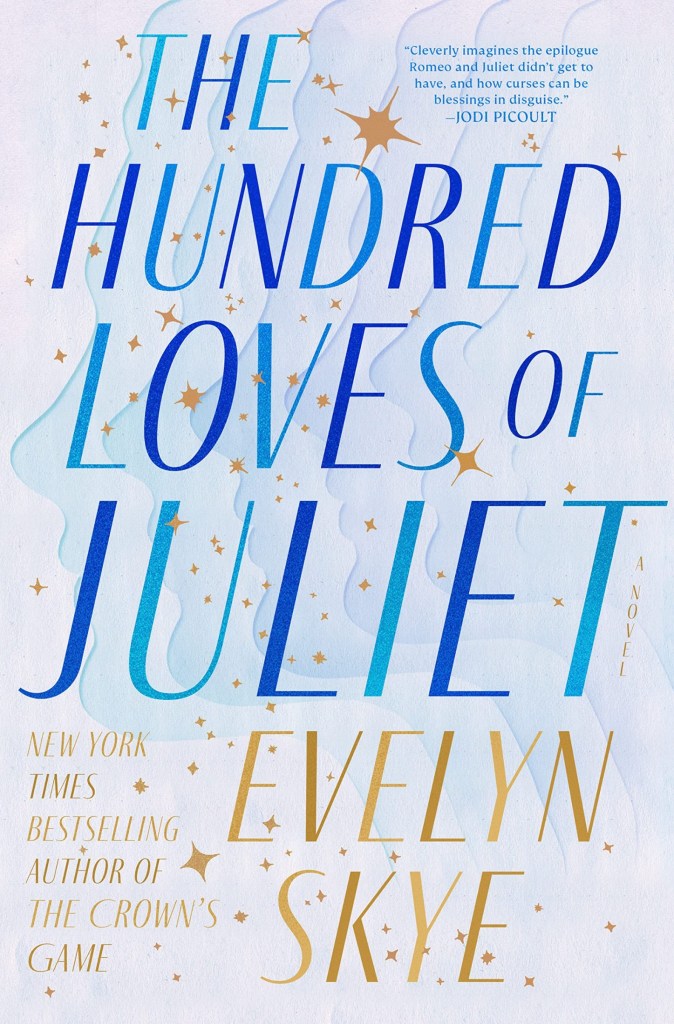
Which makes it hard to figure out how to match opals with book covers! Since the opals I’m most familiar with have a mostly white look with streaks and splashes of pink and blue, I’ll go with a mix of white, pink, and blue covers… which don’t necessarily look like opals, but I think that’s the closest I can come!
Here are the opal-inspired book covers I’ve found on my shelves:



- Echo Boy by Matt Haig
- The Summer Skies by Jenny Colgan
- Drunk on All Your Strange New Words by Eddie Robson
- The Hundred Loves of Juliet by Evelyn Skye
- Emmett by L. C. Rosen
Do you have any favorite opal book covers to share?
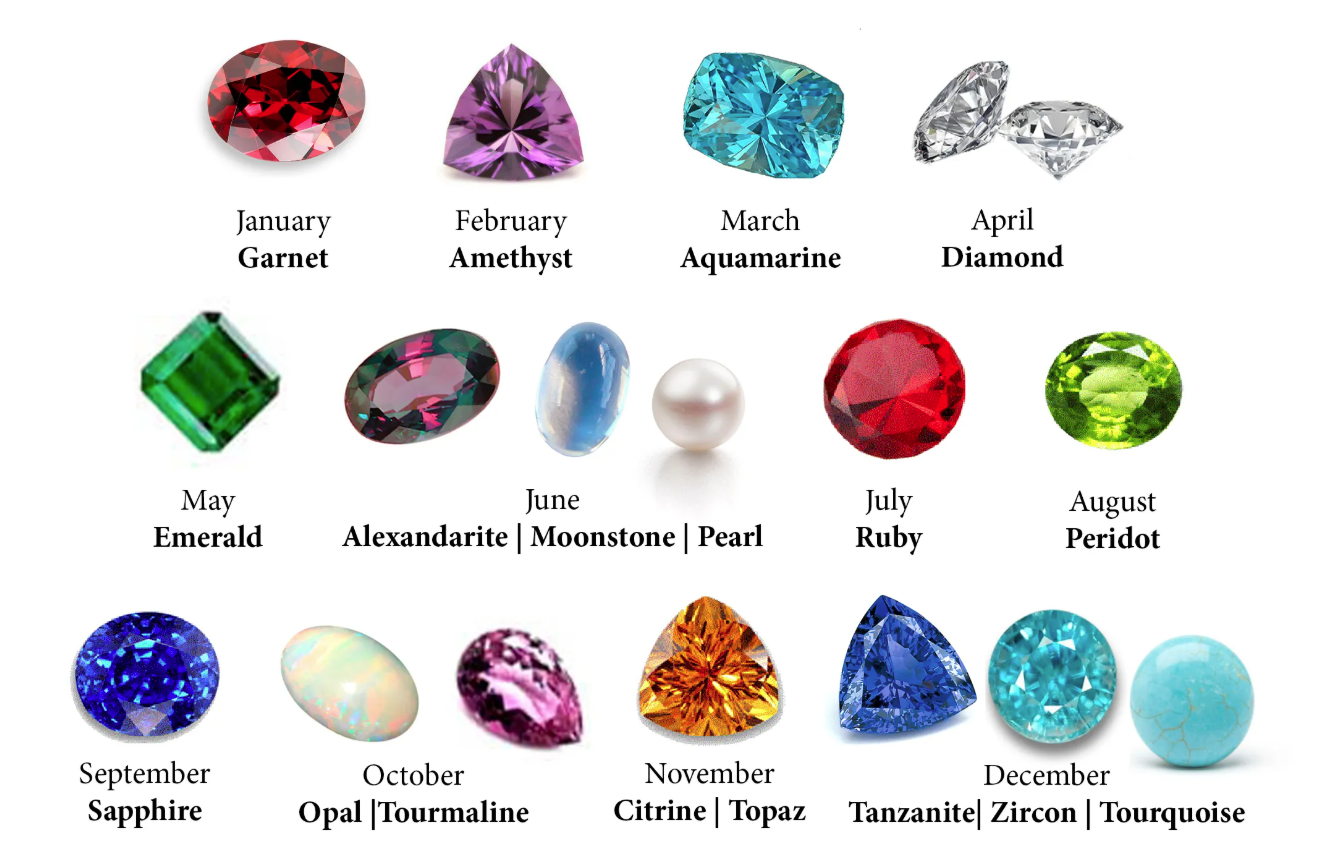
Next month is Opal for October… seems like it’ll be a tricky one!
 Bookshelf Fantasies