I participated in Birthstone Books Covers for the first time in August, and now I’m hooked! Leslie at Books Are the New Black hosts this fun monthly meme — and since I love anything related to spotlighting amazing book covers, I just had to jump in.
The rules are simple:
Mention the creator (Leslie @Books Are The New Black ) and link back so she can see your post! Pick 5+ book covers that match the current month’s Birthstone. HAVE FUN!
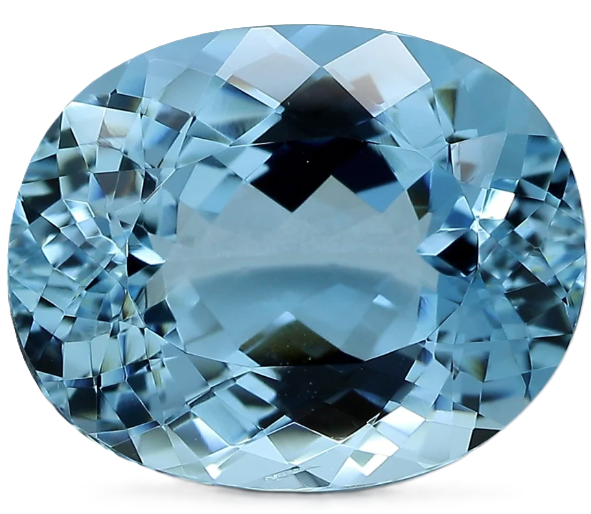
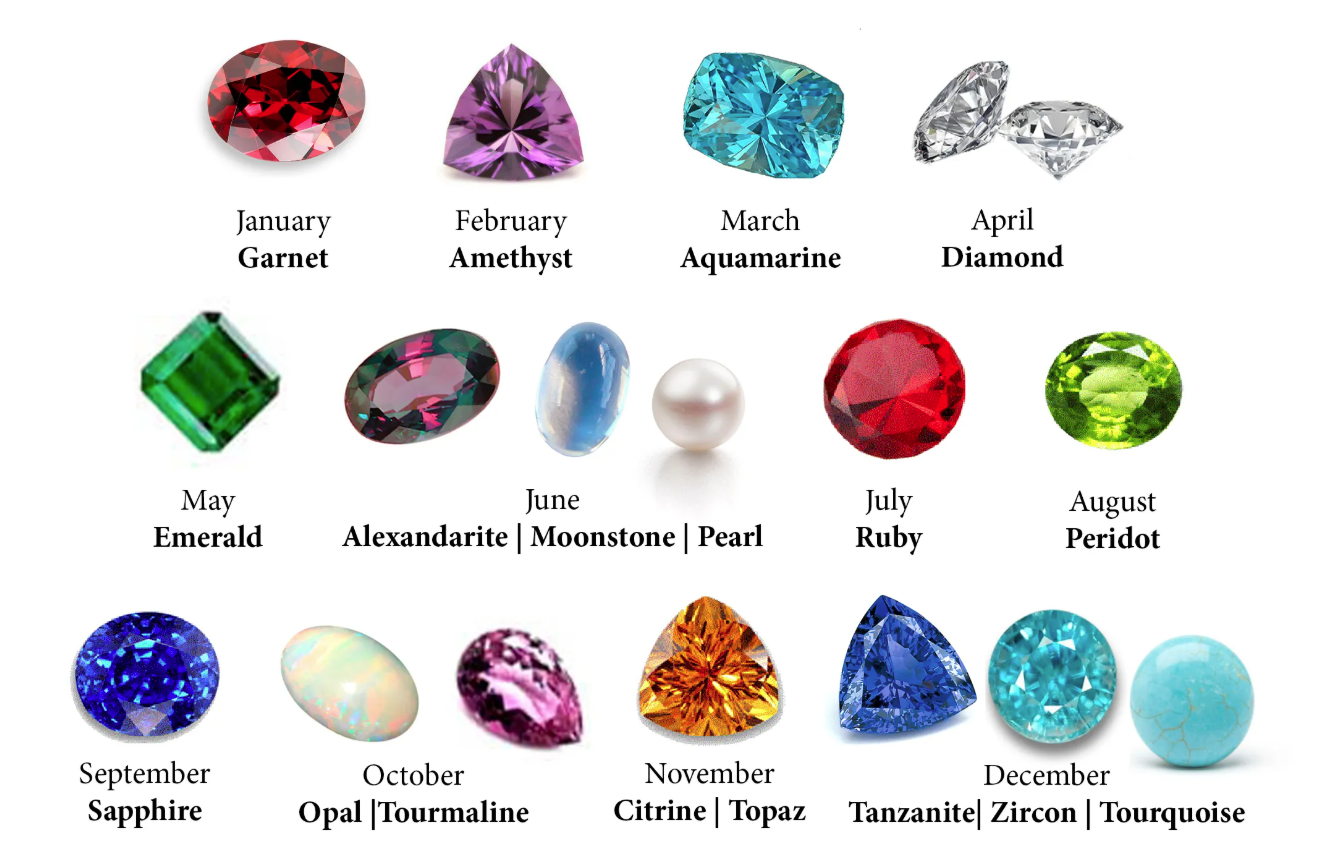
Aquamarine is the blue to green-blue gemstone variety of beryl. It is the birthstone for March. The name aquamarine comes from two Latin words aqua marinus meaning “water of the sea”. The color comes from trace amounts of iron in the stone. Aquamarine is typically greenish blue in nature, so it is heat treated to remove the yellow component, and to produce a true-blue color. Brazil is the largest producer of aquamarine, but fine quality stones can be found around the world.
I participated in Birthstone Books Covers for the first time in August, and now I’m hooked! Leslie at Books Are the New Black hosts this fun monthly meme — and since I love anything related to spotlighting amazing book covers, I just had to jump in.
The rules are simple:
Mention the creator (Leslie @Books Are The New Black ) and link back so she can see your post! Pick 5+ book covers that match the current month’s Birthstone. HAVE FUN!
Amethysts are among my favorite gems, although — alas — I don’t believe I actually have any amethyst jewelry. The color is so pretty!
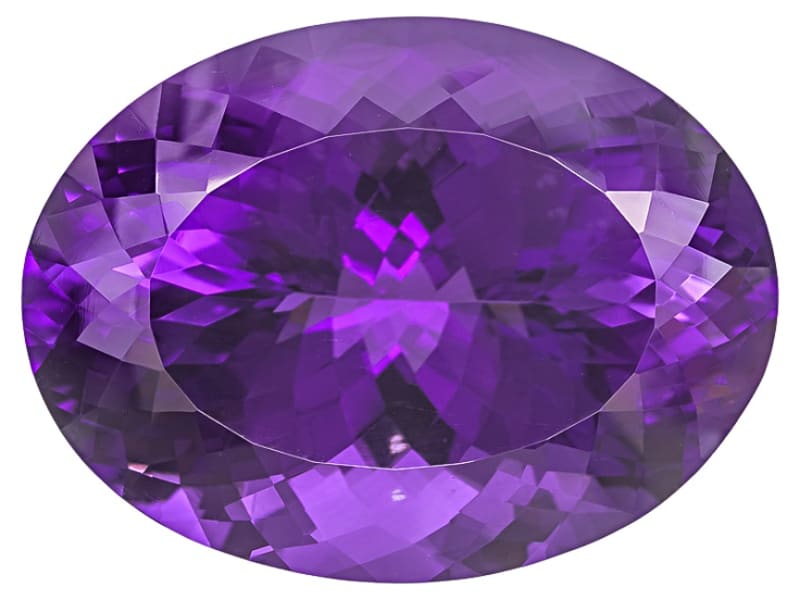
Amethyst was prized by ancient civilizations and was closely associated with spirituality, faith, and wisdom. The color purple has long been associated with royalty and the aristocracy. It is the birthstone for February. The color of amethyst ranges from light to intense purple. The lighter lilac or lavender variety is often called Rose de France amethyst. The most prized amethyst is transparent and exhibits an intense, uniform, purple color with red flashes.
I participated in Birthstone Books Covers for the first time in August, and now I’m hooked! Leslie at Books Are the New Black hosts this fun monthly meme — and since I love anything related to spotlighting amazing book covers, I just had to jump in.
The rules are simple:
Mention the creator (Leslie @ Books Are The New Black ) and link back so she can see your post! Pick 5+ book covers that match the current month’s Birthstone. HAVE FUN!
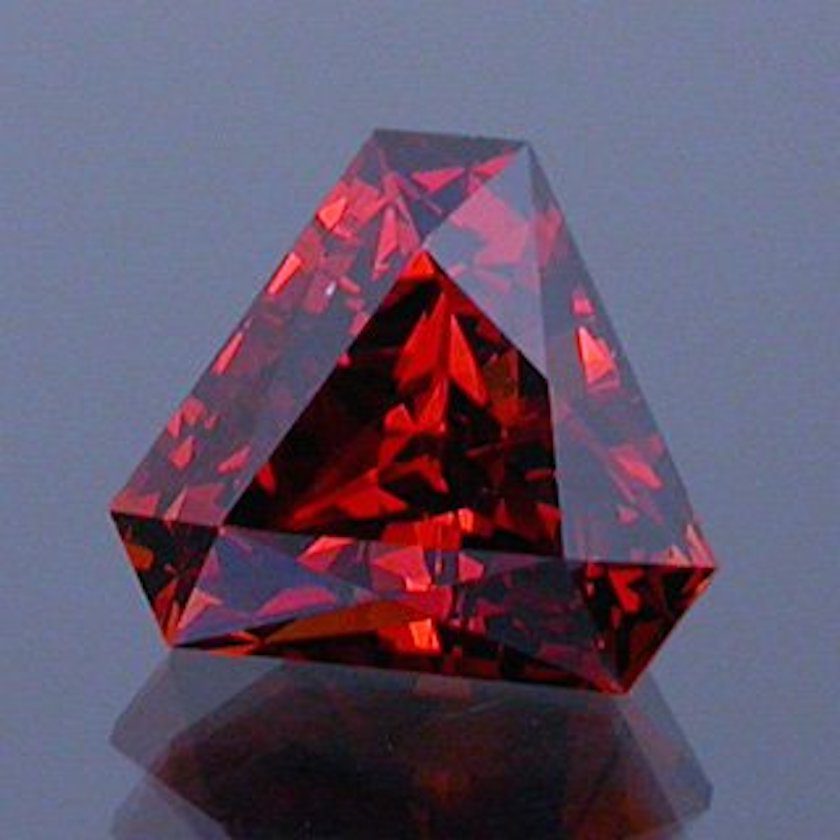
January is my daughter’s birth month, so I’ve been buying her garnet-colored gifts all her life! I must say, though, that I’ve never given her a book with a garnet cover! Clearly a major oversight!
According to Thomas Michael Jewelry:
Garnet is January’s birthstone. Garnets symbolize eternal friendship, loyalty and a light heart. There is evidence of garnet jewelry found in Bronze age burials in Eastern Europe. Garnet jewelry has been discovered in ancient Egypt and Sumeria. Garnets were treasured in jewelry by the Greek and Roman cultures as well as Pre-Columbian Aztec and Native American cultures. In Medieval times, garnets were thought to possess medicinal powers and were thought to protect one from poisons, wounds and bad dreams. They were thought to relieve fevers, hemorrhages and inflammatory diseases.
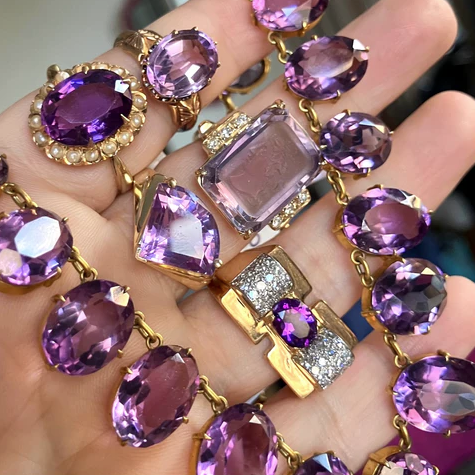
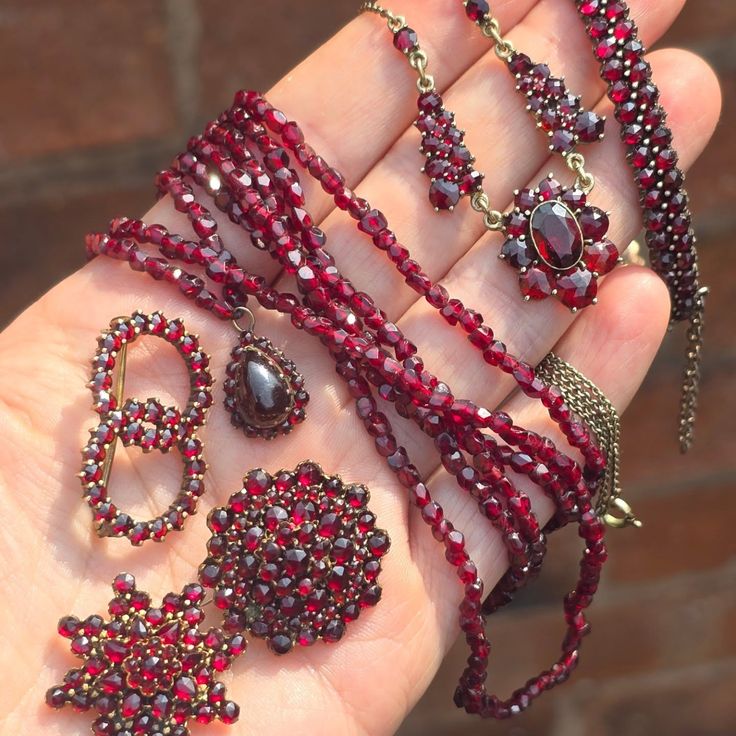
Samples of garnet jewelry:
Found on Pinterest…
Onward to the books!
Garnets! Garnets everywhere!
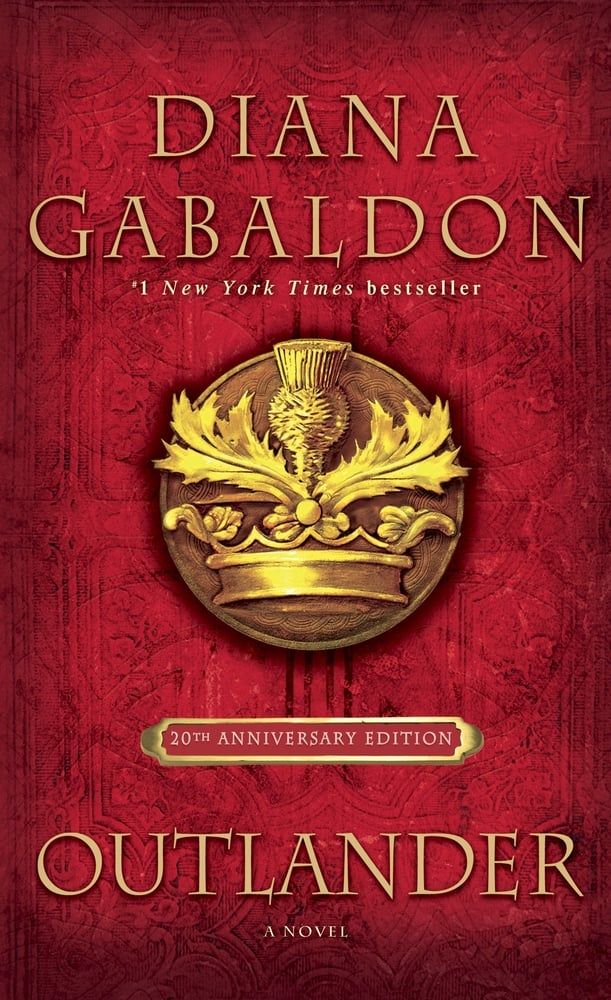
Or at least, on two Outlander series book covers, which makes me very happy.
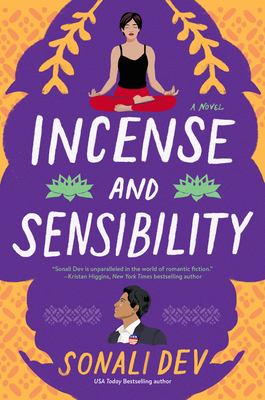
But I suppose I should include some non-Outlander books too… so here are a few more with hints of garnet that I found on my shelves:
Do you have any favorite garnet book covers to share?
I participated in Birthstone Books Covers for the first time in August, and now I’m hooked! Leslie at Books Are the New Black hosts this fun monthly meme — and since I love anything related to spotlighting amazing book covers, I just had to jump in.
The rules are simple:
Mention the creator (Leslie @ Books Are The New Black ) and link back so she can see your post! Pick 5+ book covers that match the current month’s Birthstone. HAVE FUN!
December has three official birthstones: tanzanite, zircon, and turquoise. I’ve always loved the look of turquoise, so that’s the one I’m choosing to highlight.
I participated in Birthstone Books Covers for the first time in August, and now I’m hooked! Leslie at Books Are the New Black hosts this fun monthly meme — and since I love anything related to spotlighting amazing book covers, I just had to jump in.
The rules are simple:
Mention the creator (Leslie @ Books Are The New Black ) and link back so she can see your post! Pick 5+ book covers that match the current month’s Birthstone. HAVE FUN!
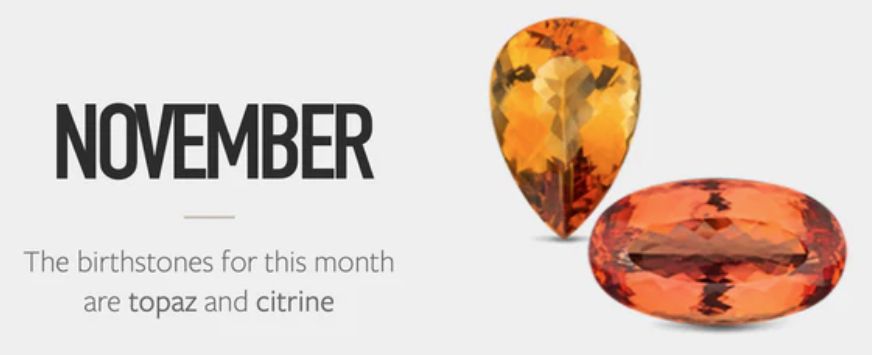
November’s birthstones are topaz and citrine. And while they may look very similar, apparently they’re quite different stones!
No, citrine and topaz are not the same; citrine is a variety of quartz, while topaz is a different mineral species. They are often confused because they can have similar yellow and brown colors, but they have different chemical compositions, hardness levels, and crystalline structures.
And from Bremer Jewelry’s website:
WHAT IS TOPAZ?
Check out the raw topaz above and compare it to the raw citrine at the top of this post. It’s easy to see how these pale yellow stones have been easily confused throughout history! Citrine (quartz family) and topaz are actually unrelated mineral species. Topaz belongs to the silicate mineral family, not quartz. Before these differences were clear, many cultures called citrine (the yellow variety of quartz) by other names like gold topaz, Madeira or Spanish topaz—contributing to the confusion.
The name topaz derives from Topazios, the ancient Greek name for St. John’s Island in the Red Sea. Although the yellow stones famously mined there probably weren’t topaz, it soon became the name for most yellowish stones. Pure topaz is colorless, but it can become tinted by impurities to take on any color of the rainbow. Precious topaz, ranging in color from brownish orange to yellow, is often mistaken for “smoky quartz” or “citrine quartz,” respectively—although quartz and topaz are unrelated minerals!
One of my close childhood friends was a November baby, and I remember us comparing our birthstone rings — my sapphire vs her topaz! (Of course, I insisted mine was better — but her topaz was quite lovely too!)
And now for the books!
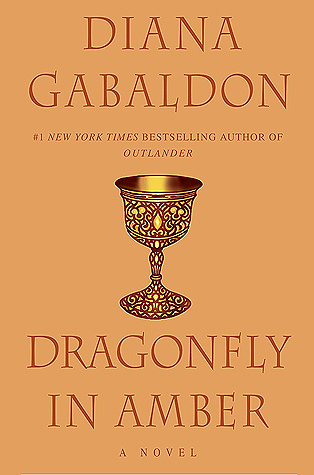
Here are the topaz/citrine book covers I’ve found on my shelves:
Dragonfly in Amber by Diana Gabaldon
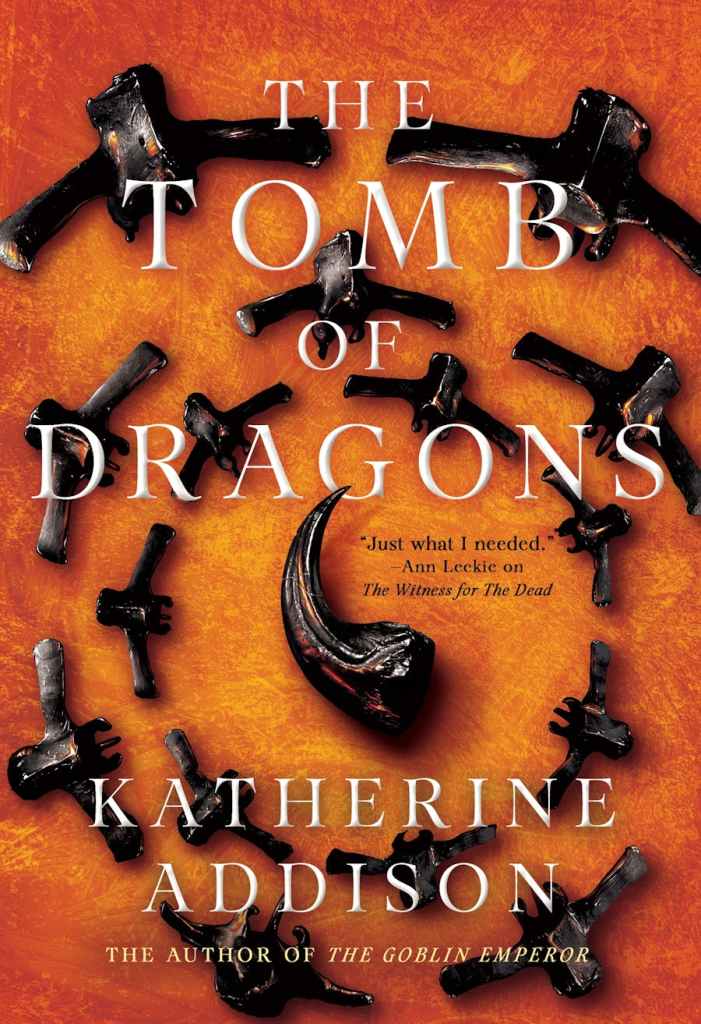
The Tomb of Dragons by Katherine Addison
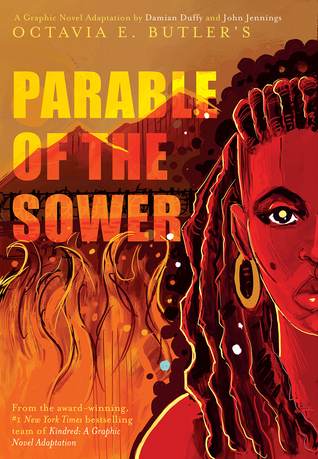
Parable of the Sower (graphic novel edition) by Octavia Butler
Who Fears Death by Nnedi Okorafor
The Firebird by Susanna Kearsley
Bloodhound (Beka Cooper, #2) by Tamora Pierce
Do you have any favorite topaz/citrine book covers to share?
I participated in Birthstone Books Covers for the first time in August, and now I’m hooked! Leslie at Books Are the New Black hosts this fun monthly meme — and since I love anything related to spotlighting amazing book covers, I just had to jump in.
The rules are simple:
Mention the creator (Leslie @ Books Are The New Black ) and link back so she can see your post! Pick 5+ book covers that match the current month’s Birthstone. HAVE FUN!
October’s birthstone is opal. (Well, also tourmaline, but I’m sticking with opals!) According to the American Gem Society:
The name “opal” originates from the Greek word opallios, which meant “to see a change in color.” The Roman scholar Pliny used the word opalus when he wrote about this gemstone’s kaleidoscopic “play” of rainbow colors that could simulate shades of any stone.
Opal’s characteristic “play-of-color” was explained in the 1960s, when scientists discovered that it’s composed of microscopic silica spheres that diffract light to display various colors of the rainbow. These flashy gemstones are called “precious opals.” Those without play-of-color are “common opals.”
Dozens of opal varieties exist, but only a few, such as fire opal and boulder opal, are universally recognized. Opals are often referred to by their background “body color” of black or white.
Opal’s classic country of origin is Australia. Seasonal rains soaked the parched Outback, carrying silica deposits underground into cracks between layers of rock. When the water evaporated, these deposits formed opal. Sometimes, silica seeped into spaces around wood, seashells and skeletons, resulting in opalized fossils.
Since opal was discovered in Australia around 1850, the country has produced 95 percent of the world’s supply. Opal is also mined in Mexico, Brazil, Honduras, Ethiopia, the Czech Republic, and parts of the U.S., including Nevada and Idaho.
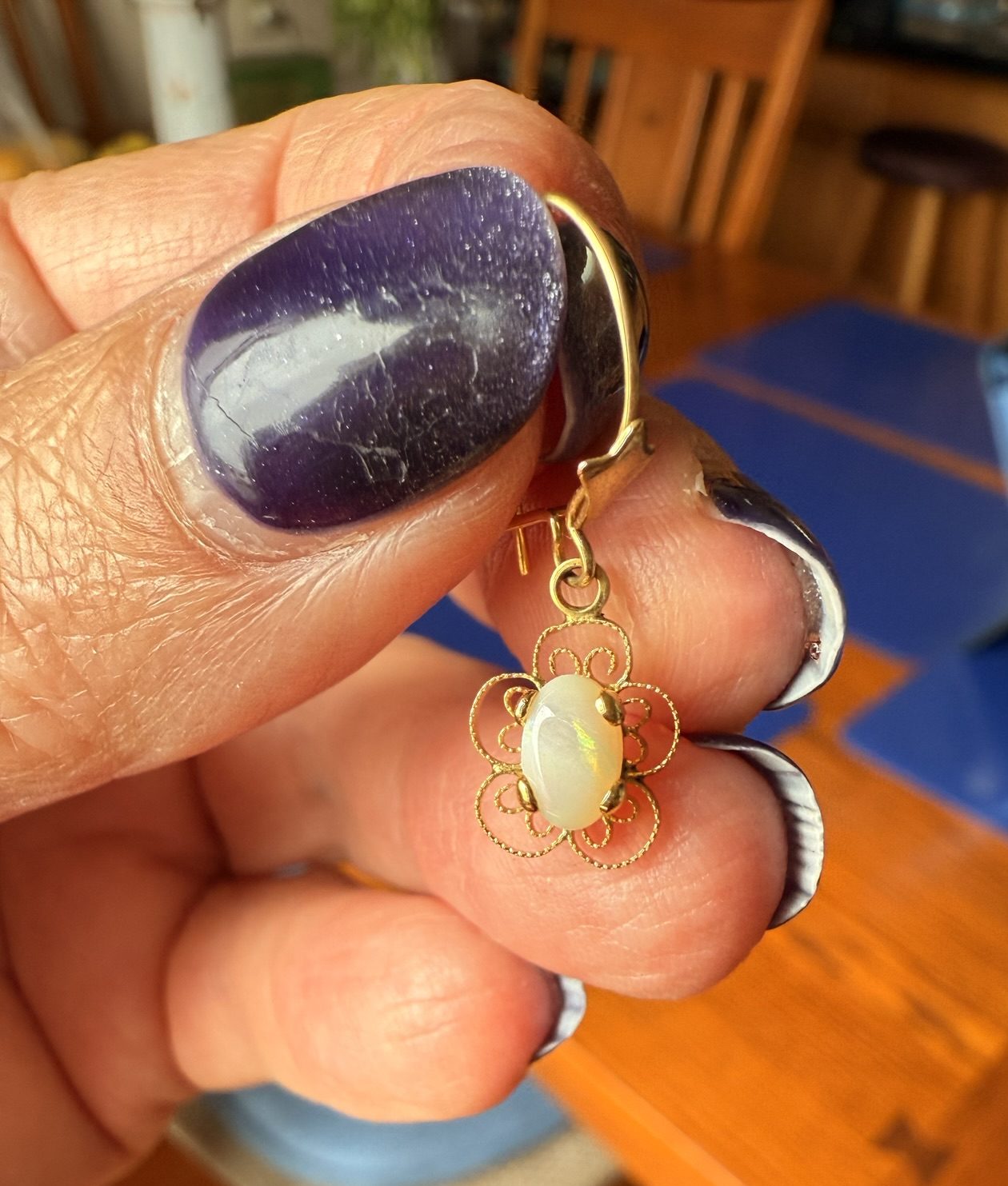
I’ve always loved opals, probably ever since my grandparents gave me a pair of opal earrings when I was a wee tween… which I still have, even though I haven’t worn them in decades.
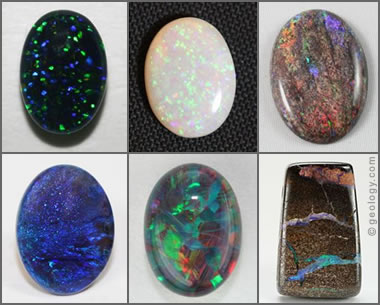
I’ve only ever seen the white or lighter blue varieties, but apparently there are endless color combinations in these beautiful gemstones.
Which makes it hard to figure out how to match opals with book covers! Since the opals I’m most familiar with have a mostly white look with streaks and splashes of pink and blue, I’ll go with a mix of white, pink, and blue covers… which don’t necessarily look like opals, but I think that’s the closest I can come!
Here are the opal-inspired book covers I’ve found on my shelves:
Echo Boy by Matt Haig
The Summer Skies by Jenny Colgan
Drunk on All Your Strange New Words by Eddie Robson
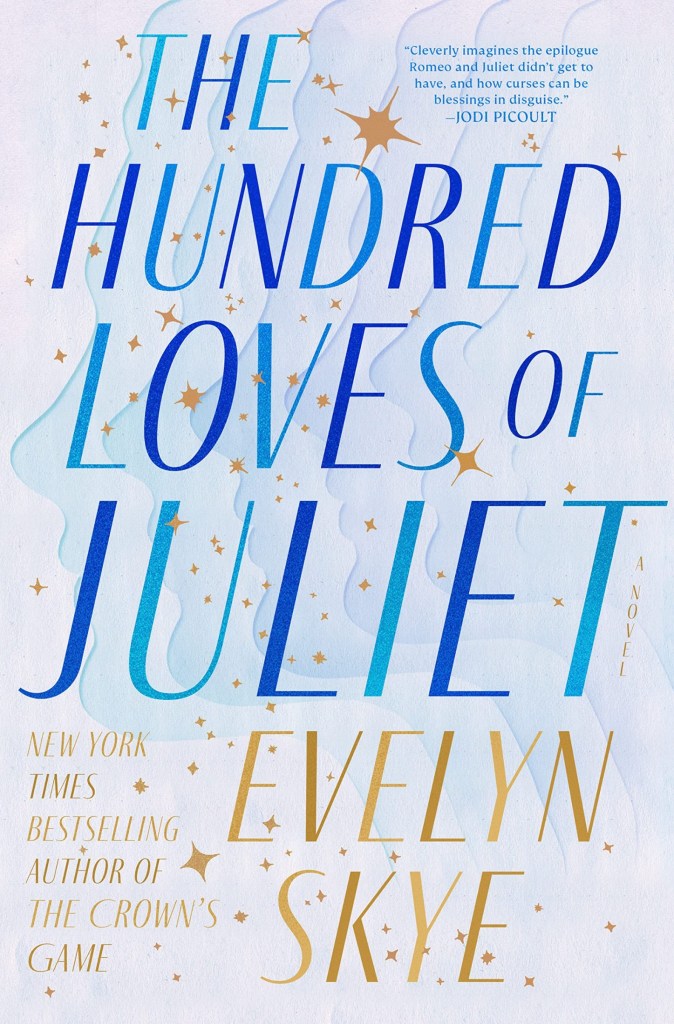
The Hundred Loves of Juliet by Evelyn Skye
Emmett by L. C. Rosen
Do you have any favorite opal book covers to share?
Next month is Opal for October… seems like it’ll be a tricky one!
I participated in Birthstone Books Covers for the first time in August, and now I’m hooked! Leslie at Books Are the New Black hosts this fun monthly meme — and since I love anything related to spotlighting amazing book covers, I just had to jump in.
Pick 5+ book covers that match the current month’s Birthstone.
HAVE FUN!
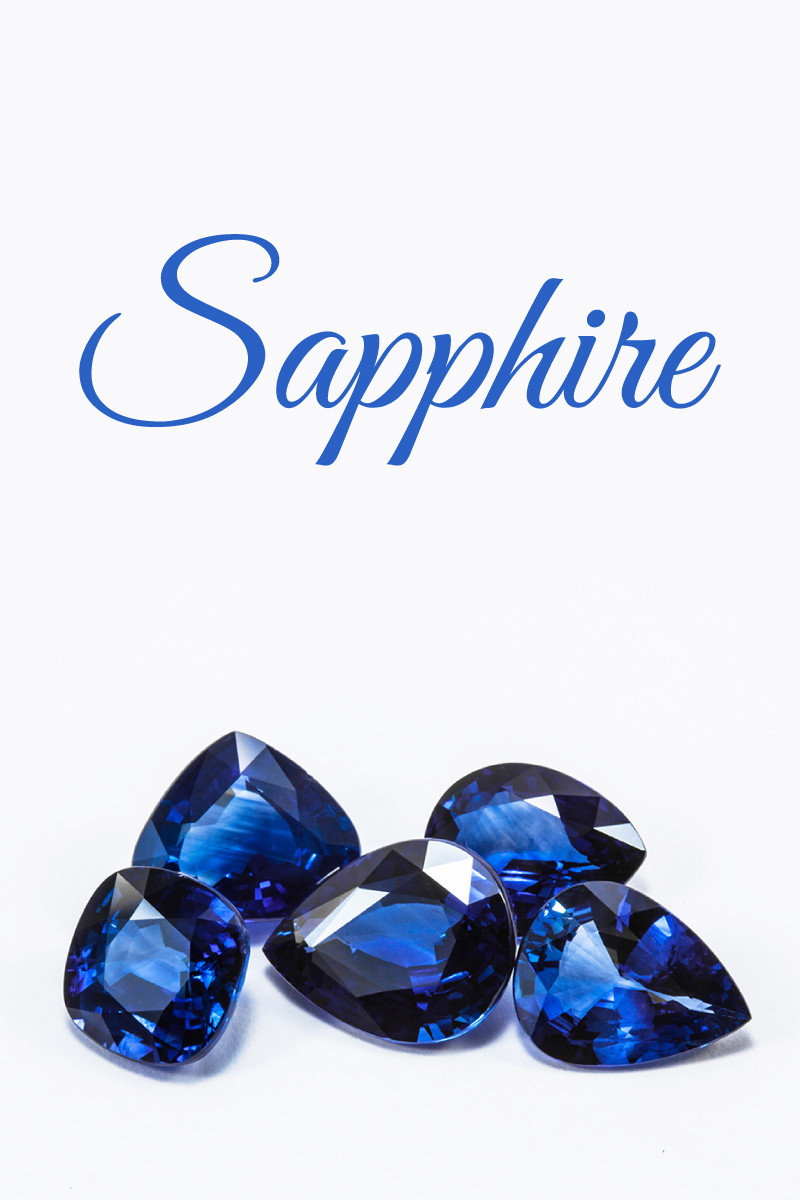
September’s birthstone is sapphire. According to the American Gem Society, sapphire gemstones symbolize loyalty, nobility, sincerity, and integrity. Learn more about their history.
Sapphire is my birthstone (yay, September!), and I’ve always loved the rich color (and love checking out sapphire jewelry of all sorts). But more importantly…
Onward to the books! Here are the sapphire book covers I’ve found on my shelves:
Outlander by Diana Gabaldon
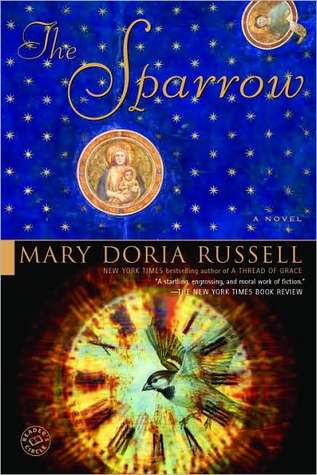
The Sparrow by Mary Doria Russell
Harry Potter and the Order of the Phoenix by J. K. Rowling
Catch-22 by Joseph Heller
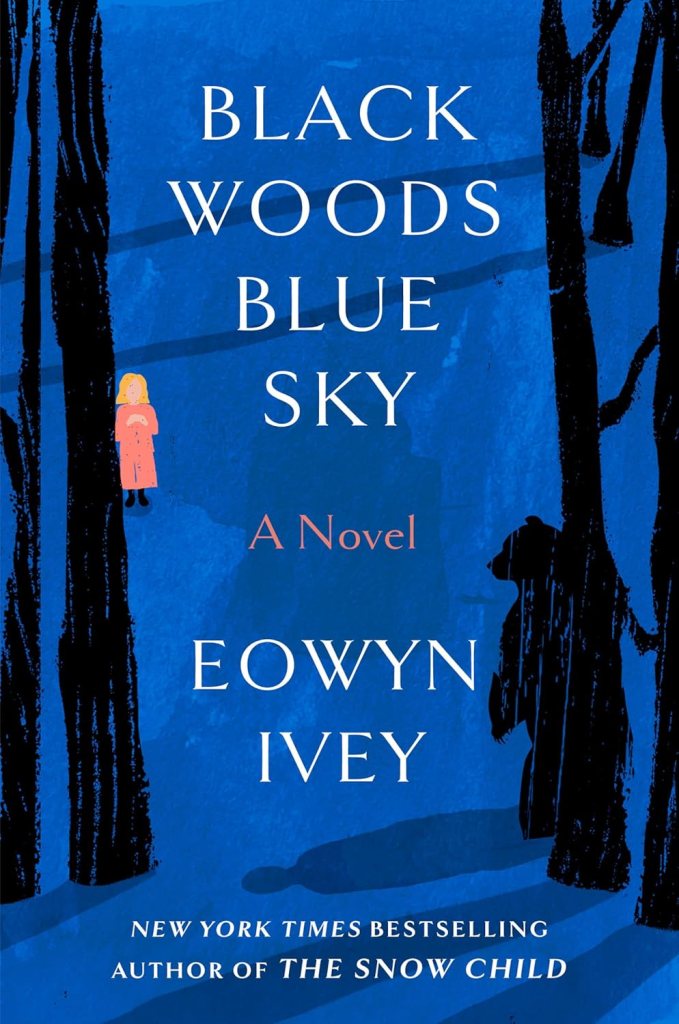
Black Woods Blue Sky by Eowyn Ivey
Go Tell the Bees That I Am Gone by Diana Gabaldon
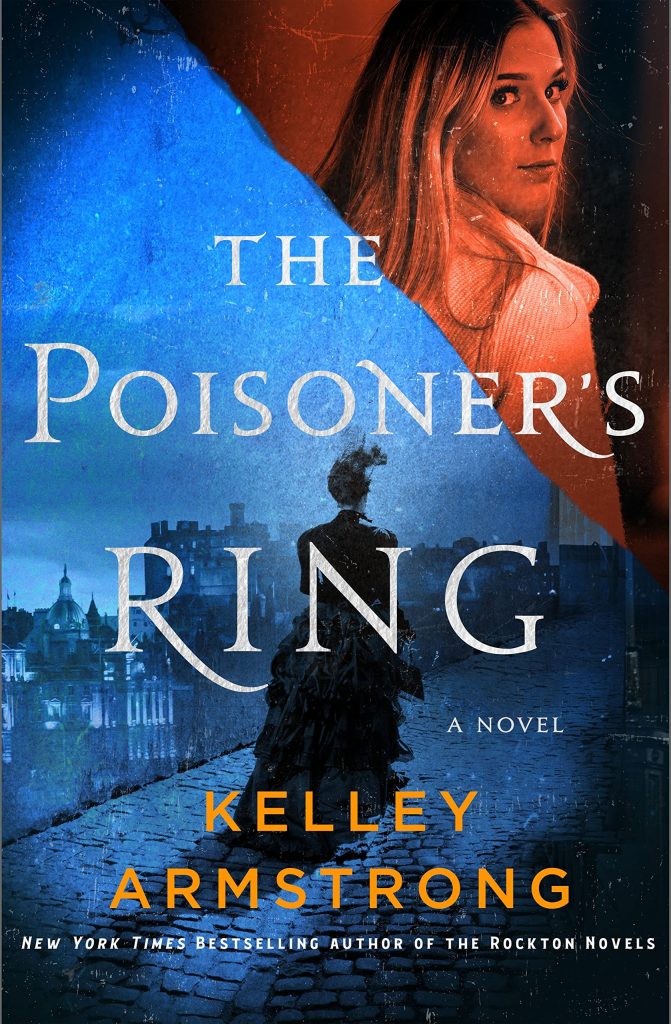
The Poisoner’s Ring by Kelley Armstrong
Fairy Tale by Stephen King
Do you have any favorite sapphire book covers to share?
Next month is Opal for October… seems like it’ll be a tricky one!
Trying something new! Leslie at Books Are the New Black hosts this fun monthly meme, and since I love anything related to spotlighting amazing book covers, I thought I’d jump in.
Pick 5+ book covers that match the current month’s Birthstone.
HAVE FUN!
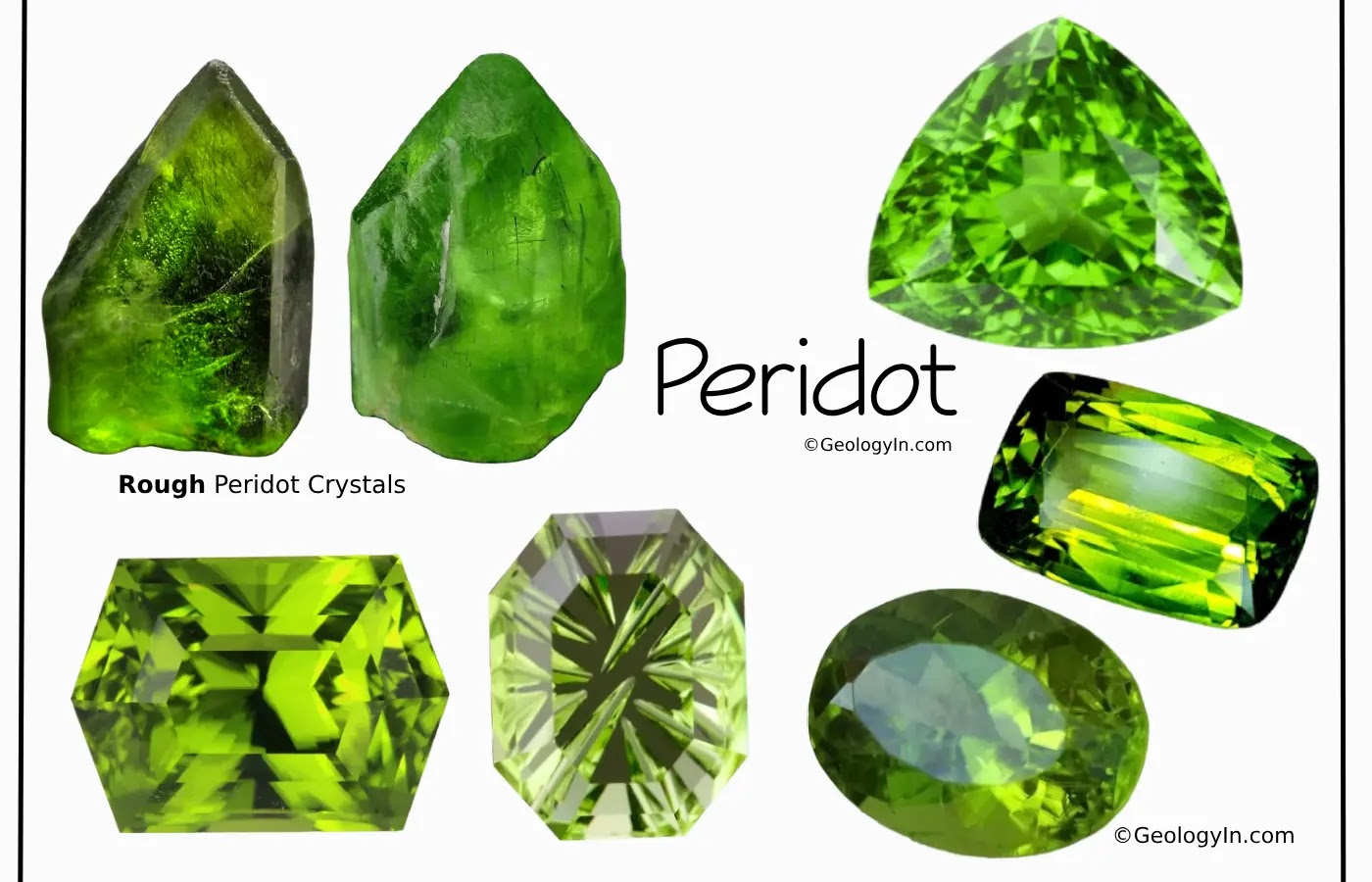
August’s birthstone is peridot. According to the American Gem Society:
Though peridot is widely recognized for its brilliant lime green glow, the origin of this gemstone’s name is unclear. Most scholars agree that the word “peridot” is derived from the Arabic faridat, which means “gem;” however, some believe it’s rooted in the Greek word peridona, meaning “giving plenty.” Perhaps that’s why peridot was, according to lore, associated with prosperity and good fortune.
Peridot is the rare gem-quality variety of the common mineral olivine, which forms deep inside the Earth’s mantle and is brought to the surface by volcanoes. In Hawaii, peridot once symbolized the tears of Pele, the volcano goddess of fire who controls the flow of lava. Rarely, peridot is also found inside meteorites.
Peridot’s signature green color comes from the composition of the mineral itself—rather than from trace impurities, as with many gemstones. That’s why this is one of few gemstones that only comes in one color, though shades may vary from yellowish-green to olive to brownish-green, depending on how much iron is present.





































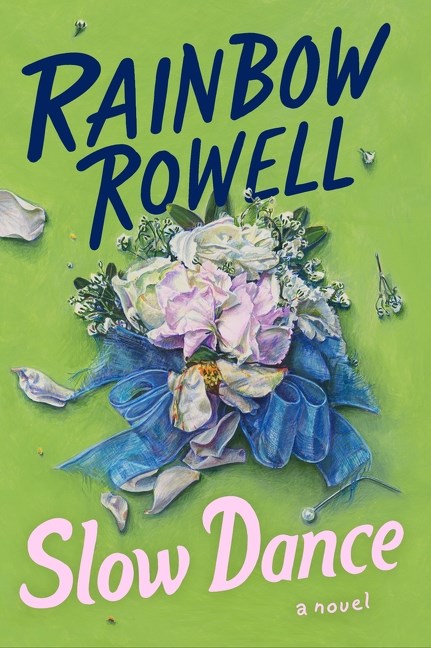


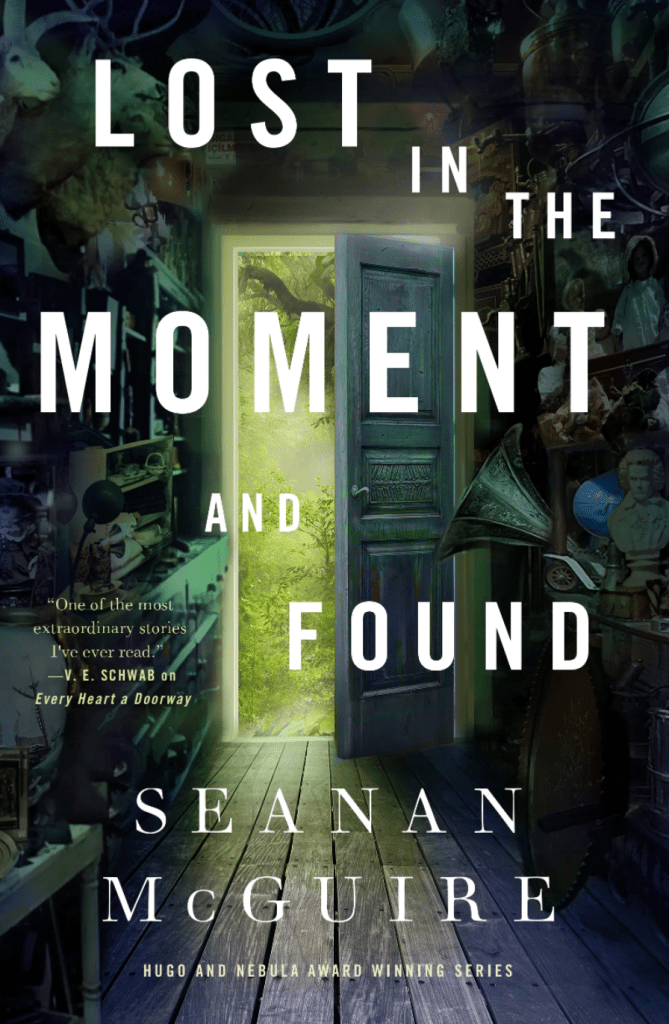
 Bookshelf Fantasies